Recognizing Early Signs of Eye Problems in Pets
Recognizing Early Signs of Eye Problems in Pets
As a devoted pet owner, you know that your furry companion relies on their vision to navigate the world, interact with their family, and enjoy daily life. When subtle changes occur—maybe your dog starts squinting in bright light or your cat begins pawing at her eye—it can leave you worried and searching for answers. At Animal Eye Specialists, conveniently located at 1545 W Plano Pkwy, Plano, TX 75075, we understand how alarming it is to notice any change in your pet’s eyes, no matter how small. Our veterinary ophthalmology clinic is dedicated exclusively to pet eye care, providing advanced diagnostics and compassionate, Fear Free-based service to families in Plano and surrounding communities.
In this guide, we will help you recognize the earliest signs of eye problems in pets, explain common causes, outline what to expect from specialty eye care, and share practical steps you can take at home. Whether you are concerned about a sudden change or want to be proactive in protecting your pet’s vision, knowing when to seek help from a board-certified veterinary ophthalmologist is essential. We will also discuss when specialized services like direct and indirect ophthalmoscopy or slit lamp examination may be needed to fully assess your pet’s eye health.
How to Spot the Early Signs of Eye Problems in Pets
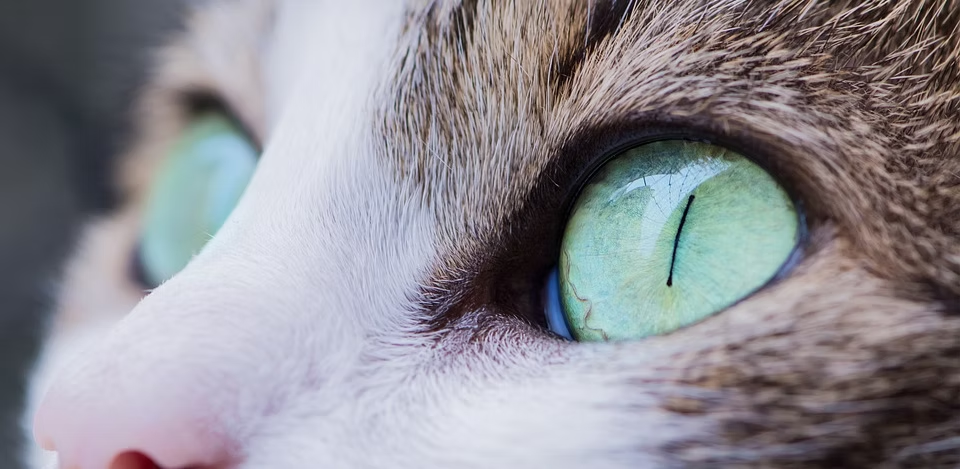
Pets are experts at hiding discomfort, but their eyes often reveal what words cannot express. Early signs of eye problems can be subtle, yet they are crucial to recognize. You might notice your pet blinking more than usual, squinting in sunlight, or keeping one eye partially closed. Other early indicators include redness around the eye, a watery or thick discharge, and increased pawing or rubbing at the face. Sometimes, the surface of the eye may appear cloudy or bluish, or you may see a sudden change in pupil size.
Behavioral changes can also signal discomfort; for instance, a usually playful dog might avoid bright rooms or seem hesitant to fetch toys. Cats may hide or become unusually irritable if their vision is affected. Nighttime difficulties, such as bumping into furniture, can be an early clue for declining vision. In some cases, you may notice swelling around the eyelids or a visible third eyelid covering part of the eye. These subtle shifts are often the first sign of an underlying eye condition that deserves prompt attention.
Understanding the Causes of Pet Eye Issues
Eye problems in pets can stem from a wide range of underlying causes, each requiring a unique approach. Common triggers include trauma or injury, such as a scratch from another animal or a foreign object lodging in the eye. Infections caused by bacteria, viruses, or fungi can quickly lead to redness, swelling, and discharge. Allergies, environmental irritants, and dry eye conditions also contribute to discomfort and visible changes.
Many breeds are genetically predisposed to certain eye diseases. For example, some dogs and cats are more likely to develop cataracts, glaucoma, or corneal ulcers due to their breed’s anatomy or inherited traits. Age is another factor; older pets are at greater risk for chronic eye diseases that progress slowly and may not be immediately obvious.
Systemic illnesses like diabetes or high blood pressure can also manifest as changes in eye appearance or function. Sometimes, tumors or abnormal tissue growths develop in or around the eye, causing visible swelling or distortion. Additionally, autoimmune disorders may affect the eye’s ability to protect itself, leading to chronic inflammation.
Recognizing the potential causes helps pet owners understand why symptoms may develop and reinforces the importance of a thorough, specialized eye exam. For more detailed information on the causes and symptoms of specific conditions, you can explore our resource on common eye diseases in pets.
Specialty Veterinary Ophthalmology: Diagnosis and Treatment
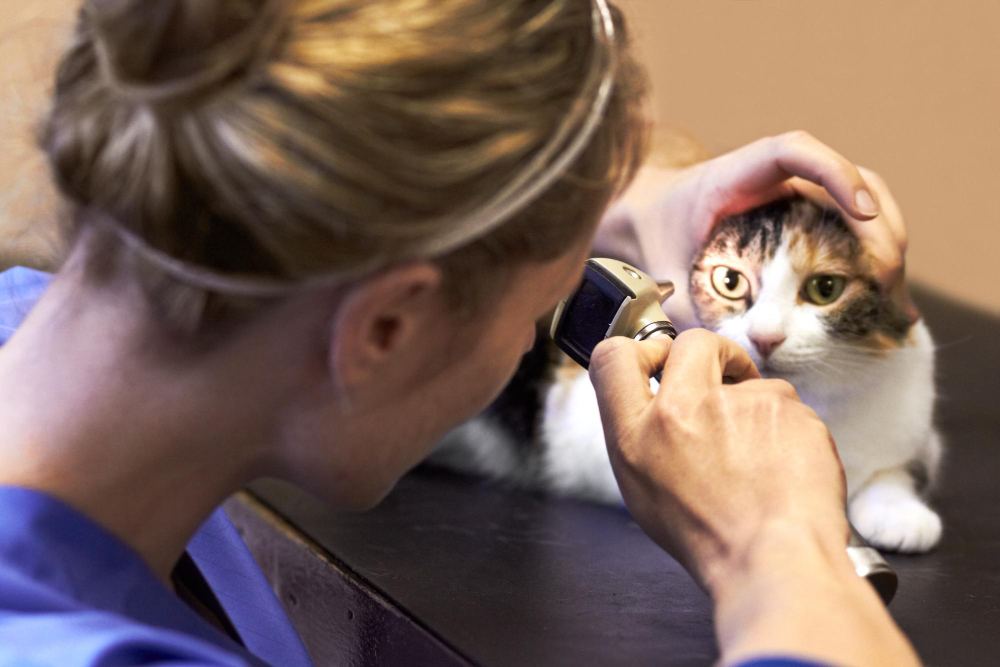
When you bring your pet to Animal Eye Specialists, you can expect an advanced, comprehensive approach tailored to the unique needs of animal eye health. Our board-certified veterinary ophthalmologist, Dr. Stephanie Beaumont, will perform a full examination using specialized tools and techniques. This includes procedures such as direct and indirect ophthalmoscopy, which allow for a detailed view of the retina, optic nerve, and other internal structures. A slit lamp examination offers a magnified look at the cornea, lens, and other anterior eye components, identifying subtle abnormalities that may be missed with a standard exam.
Depending on your pet’s symptoms, we may use additional diagnostics, such as tonometry to measure intraocular pressure and screen for glaucoma, or fluorescein staining to detect corneal injuries. Advanced imaging and electrodiagnostic testing help us evaluate retinal function and the overall health of the eye.
Treatment options at a specialty ophthalmology clinic are highly tailored. They may involve topical or oral medications to address infections, inflammation, or pain. Certain conditions, such as cataracts or lens luxation, may require surgical intervention using microsurgical equipment and cutting-edge techniques. We also provide long-term management for chronic diseases, ensuring your pet’s comfort and preserving vision whenever possible. Post-surgical care and follow-up are always provided under the direct supervision of our veterinary ophthalmologist, giving you peace of mind throughout your pet’s treatment journey.
What Can Pet Owners Do at Home? Prevention and Early Support
While some eye problems are unavoidable due to genetics or age, there are proactive steps every pet owner can take to protect their companion’s vision. Regularly inspecting your pet’s eyes at home is a simple yet powerful tool. Healthy eyes should be clear, bright, and free of discharge. Gently lift your pet’s eyelids in a well-lit room to check for redness, cloudiness, or abnormal pupil size. Monitoring for changes in behavior—such as reluctance to go outside in bright sunlight or increased pawing at the face—can help you catch problems early.
Good hygiene is essential for preventing infections. Keep the fur around your pet’s eyes trimmed and clean, especially in breeds prone to tear staining or long hair. Avoid using harsh shampoos or chemicals near the eyes, and promptly remove any foreign material or debris from their fur after outdoor walks.
If your pet has a history of eye issues or belongs to a breed with known risks, discuss preventive exams with your general veterinarian and consider referral to a veterinary ophthalmologist for baseline screening. Promptly addressing allergies, systemic illnesses, or injuries will also reduce the risk of secondary eye disease.
It is important to avoid self-medicating your pet’s eyes with over-the-counter drops or human medications. Some products can actually worsen the condition or delay proper diagnosis. Instead, monitor your pet closely and keep a record of any changes you observe, such as frequency of squinting or the color of discharge, to share with your veterinary professional.
When to Seek Professional Care at Animal Eye Specialists
Knowing when to seek help from a board-certified veterinary ophthalmologist can make all the difference in your pet’s comfort and long-term vision. If you notice any of the following signs, a prompt evaluation is warranted: persistent squinting or blinking, redness that does not resolve within a day, thick or colored discharge, visible swelling or protrusion of the eye, sudden cloudiness or a blue/white appearance, or a change in pupil size or shape. Additionally, if your pet is showing signs of pain, such as excessive pawing, hiding, or vocalizing, immediate attention is needed.
Chronic or recurrent symptoms, such as intermittent redness or discharge, can point to deeper issues requiring specialty diagnostics. If your primary veterinarian recommends a referral, or if your pet’s symptoms have not improved with general care, our veterinary ophthalmology team in Plano is equipped to provide an advanced level of evaluation and treatment.
For those searching for a “veterinary ophthalmology vet near me,” choosing a practice where every exam is conducted by a board-certified specialist ensures your companion receives the highest standard of care. Our clinic’s commitment to personalized service and stress-free visits means your pet is treated with compassion and expertise from the moment you walk in the door.
Protecting Your Pet’s Vision—Contact Our Veterinary Ophthalmology Team in Plano
Your pet’s eyesight is precious, and early action can help preserve their quality of life. By recognizing the first signs of eye discomfort or disease, you are taking an important step in keeping your companion happy, healthy, and safe. At Animal Eye Specialists, we offer advanced diagnostics such as slit lamp examination and direct and indirect ophthalmoscopy, along with a full range of surgical and medical treatments for complex eye conditions.
If you have noticed any changes in your pet’s eyes, or if your veterinarian has recommended a specialist consultation, do not hesitate to reach out. Our veterinary ophthalmology professionals are ready to help you navigate the next steps and provide the expert care your pet deserves. To schedule an appointment or discuss your concerns, contact us at (972) 845-9948 or visit our clinic at 1545 W Plano Pkwy, Plano, TX 75075. When searching for a veterinary ophthalmology vet near me, remember that Animal Eye Specialists is dedicated exclusively to pet eye care in Plano and surrounding communities. Your pet’s comfort and vision are always our top priority.
This article is intended for informational purposes only and does not substitute for professional veterinary care. If you suspect your pet is experiencing an eye emergency or severe pain, seek immediate attention from your primary veterinary professional or a veterinary ophthalmologist.