Cataract Surgery for Pets: Is Your Dog or Cat a Candidate?
Cataract Surgery for Pets: Is Your Dog or Cat a Candidate?
If you have noticed your dog or cat’s vision changing, you may be concerned about cataracts and wondering if cataract surgery for pets could help restore their sight. At Animal Eye Specialists in Plano, TX, our board-certified veterinary ophthalmologist provides advanced diagnosis and treatment for eye diseases in pets, including cataracts. Understanding whether your pet is a good candidate for cataract surgery is an important step in their care. In this article, we will guide you through the signs that may suggest your pet needs a professional eye evaluation, what makes a pet eligible for surgery, and how our veterinary team supports you and your pet every step of the way. We will also explain the specialized approach that sets Animal Eye Specialists apart in Plano and surrounding communities.
For pet owners who want the best for their companion’s vision, learning about cataract surgery for pets can offer hope and clarity. We will explore how cataracts develop, what symptoms to watch for, the advanced treatment options available, and when to seek expert help. If you are searching for a veterinary ophthalmology clinic dedicated solely to eye care, our team at 1545 W Plano Pkwy, Plano, TX 75075 is here to provide compassionate, specialized care for your pet’s eyes.
Recognizing Cataracts in Dogs and Cats: Signs Your Pet May Need a Specialist
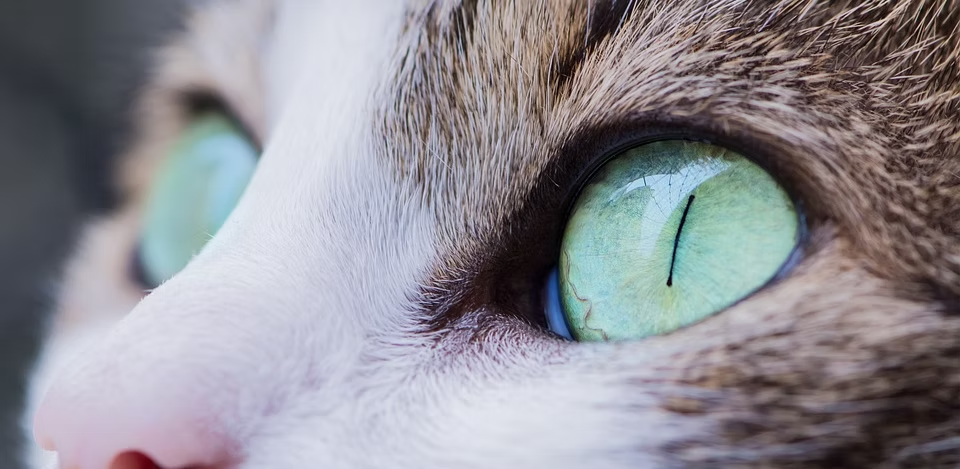
Many pet owners first notice their dog or cat’s eyes looking cloudy, opaque, or bluish-gray, which can be an early sign of cataracts. Other symptoms include your pet bumping into furniture, hesitating on stairs, or appearing less confident in unfamiliar environments. You may also notice changes in behavior such as reluctance to go out at night, increased anxiety, or difficulty finding food and toys. In some pets, vision loss may develop gradually while in others, changes can seem sudden, especially if the cataract matures quickly or is associated with other eye conditions.
It is important to remember that not all cloudy eyes are caused by cataracts. Other issues such as nuclear sclerosis (normal aging changes), corneal disease, or glaucoma can cause similar changes in appearance or behavior. If your pet’s eyes look different or their vision seems to be declining, a comprehensive examination by a board-certified veterinary ophthalmologist is the best way to determine the underlying cause. For more details on how to spot eye problems, you can visit our page on how to know if your pet needs veterinary eye care.
Understanding Cataracts: What Causes Them in Pets?
Cataracts occur when the normally clear lens inside the eye becomes cloudy or opaque, blocking light from reaching the retina and leading to blurred vision or blindness. In pets, cataracts can have several causes. The most common is genetics; many dog breeds, including Cocker Spaniels, Poodles, and Boston Terriers, are prone to inherited cataracts. Diabetes is another major cause, especially in dogs, where cataract development can be rapid and severe. Age-related changes, trauma to the eye, inflammation (such as uveitis), and certain nutritional deficiencies can also lead to cataract formation in both dogs and cats.
Unlike people, cats develop cataracts less frequently, and when they do, it is often secondary to other eye diseases or trauma. For both dogs and cats, cataracts can affect one or both eyes, and the rate of progression varies depending on the underlying cause. Understanding why cataracts have developed in your pet is an essential part of determining the best treatment plan and whether cataract surgery for pets is a suitable option.
Is Your Pet a Candidate for Cataract Surgery?
Not every animal with cataracts will benefit from surgery, so a thorough evaluation by a veterinary ophthalmologist is always the first step. Ideal candidates for cataract surgery are typically otherwise healthy dogs or cats with mature cataracts that significantly impair vision but whose eyes are free from other serious conditions such as uncontrolled glaucoma, severe retinal disease, or advanced inflammation.
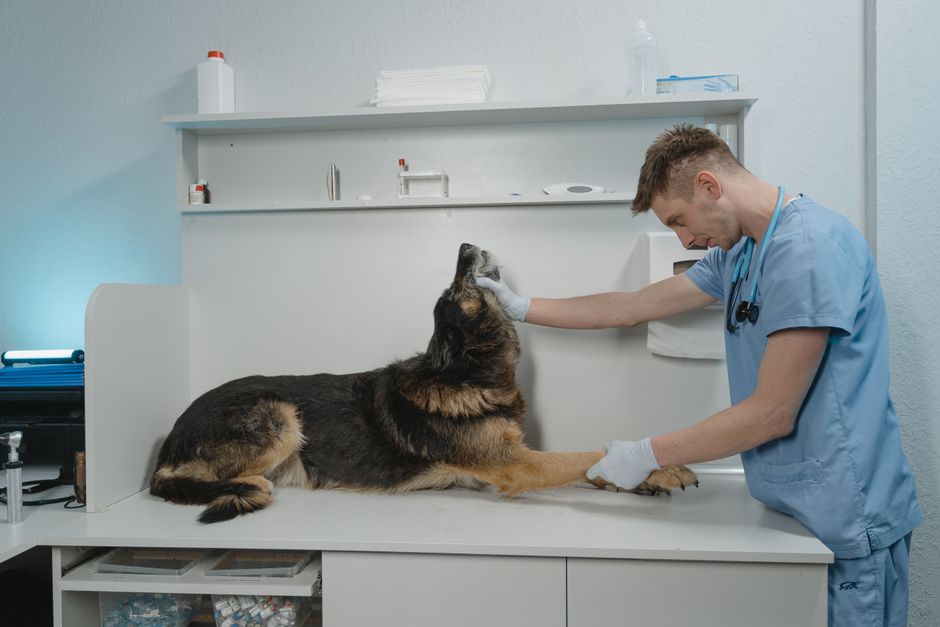
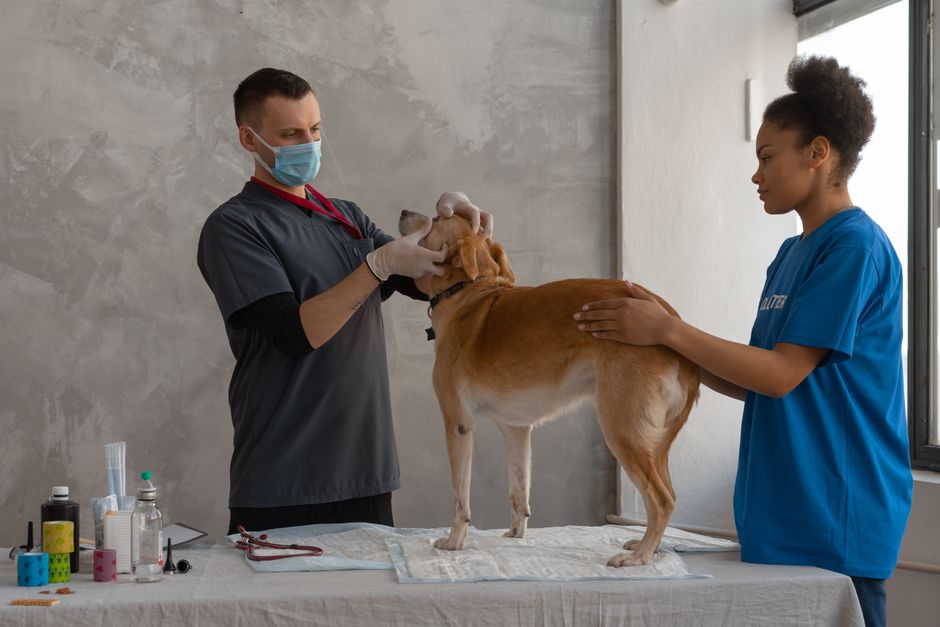
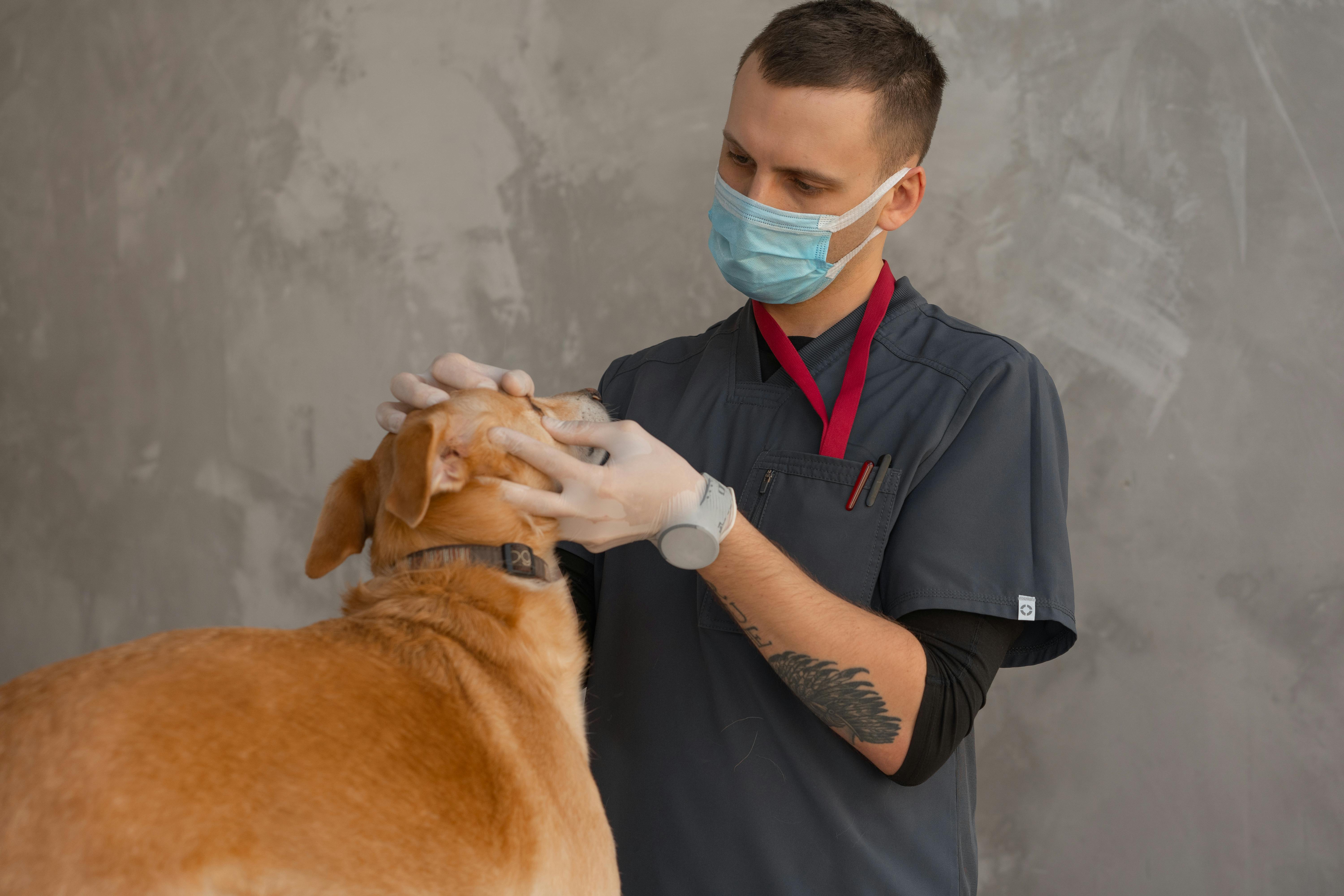
During your visit to Animal Eye Specialists, our ophthalmologist will perform a complete eye exam using advanced diagnostics like direct and indirect ophthalmoscopy and ocular ultrasonography. These tests help determine whether your pet’s retina and other internal eye structures are healthy enough for surgery. In some cases, we may also recommend electroretinography to assess retinal function.
Other factors affecting candidacy include your pet’s ability to tolerate anesthesia, overall health, and your ability to provide diligent post-operative care. Dogs with diabetes can be candidates for surgery, provided their blood sugar is well regulated. Cats may be considered for surgery in select cases, though it is less commonly performed. Our team will discuss your pet’s unique situation and walk you through every consideration, so you can make an informed decision.
For a detailed overview of the procedure and what to expect, visit our cataract surgery for pets page.
The Role of Pre-Surgical Testing
Before recommending cataract surgery for pets, our veterinary ophthalmologist will conduct a battery of tests to ensure both the eye and the patient are healthy enough for the procedure. These tests include measuring intraocular pressure, performing a Schirmer tear test, examining the retina, and evaluating for any signs of inflammation or infection. Only after confirming that the eye is structurally sound and that your pet is an appropriate candidate will we discuss moving forward with surgery.
Advanced Cataract Surgery for Pets: What to Expect
At Animal Eye Specialists, cataract removal is performed using a technique called phacoemulsification, which is similar to the method used in human eye surgery. This minimally invasive procedure uses ultrasonic energy to break up and remove the cloudy lens, after which an artificial intraocular lens (IOL) is implanted to restore focusing ability. The entire surgery is performed under general anesthesia and typically takes one to two hours.
After surgery, most pets regain functional vision within days, although full healing can take several weeks. Post-operative care involves administering topical medications to prevent infection and inflammation, as well as regular follow-up exams to monitor healing. Our veterinary ophthalmology team will provide thorough instructions and ongoing support throughout your pet’s recovery. For more details on the surgical process, visit our page on cataract removal with intraocular lens implantation.
Success Rates and Outcomes
Cataract surgery for pets has a high success rate when performed by experienced, board-certified specialists and when patients are carefully selected. Many dogs experience a dramatic improvement in quality of life, becoming more interactive and confident as their vision returns. While complications such as inflammation, infection, or glaucoma can occur, these risks are minimized through careful screening, advanced surgical techniques, and diligent aftercare.
Caring for Your Pet’s Eyes at Home: Prevention and Monitoring
While some causes of cataracts, such as genetic predisposition, cannot be prevented, there are steps you can take at home to support your pet’s eye health. For diabetic dogs, consistent blood sugar management reduces the risk of cataract development and progression. Regular veterinary check-ups help catch eye changes early, especially in breeds prone to hereditary cataracts. Watching for signs of eye redness, squinting, discharge, or changes in eye color can alert you to problems before they become severe.
After surgery, home care is crucial to achieving the best outcome. This includes giving all prescribed medications on schedule, using an Elizabethan collar to prevent rubbing or scratching, and attending all recommended follow-up appointments. If you notice any changes in your pet’s eye appearance or behavior during recovery, contact your veterinary ophthalmologist promptly. For more information on managing chronic eye conditions, you can read about chronic ophthalmic diseases in pets.
When to Seek Professional Veterinary Eye Care
If your dog or cat has developed a cloudy eye, shows signs of vision loss, or has been diagnosed with cataracts by your family veterinarian, it is time to consult a board-certified veterinary ophthalmologist. Immediate evaluation is especially important if your pet’s eye becomes red, painful, or swollen, or if they suddenly lose vision; these symptoms could signal complications such as glaucoma or lens-induced uveitis, which require urgent attention.
At Animal Eye Specialists, we work closely with your primary care veterinarian to provide advanced diagnostics, treatment options, and surgical expertise. Our team is dedicated to compassionate, personalized care, ensuring your pet receives the best possible outcome. We encourage you to seek a professional opinion even if you are unsure whether surgery is appropriate, as early intervention can make a significant difference in your pet’s vision and comfort.
Choosing Animal Eye Specialists for Cataract Surgery for Pets in Plano
Deciding to pursue cataract surgery for pets is a significant step, and selecting a board-certified veterinary ophthalmologist gives your pet the best opportunity for restored vision and quality of life. At Animal Eye Specialists, we offer comprehensive eye care for dogs and cats in Plano and surrounding communities, using the latest diagnostic and surgical techniques in a Fear Free, low-stress environment.
If you are searching for a specialty eye vet near me or want to learn more about your pet’s options for cataract surgery, our veterinary ophthalmology team is here to help. To schedule a consultation or ask questions about your pet’s eye health, call us at (972) 845-9948 or visit us at 1545 W Plano Pkwy, Plano, TX 75075. You can also explore our cataract surgery for pets and eye treatment case photos pages to see examples of successful outcomes.
Your pet’s vision and comfort matter deeply to us. If you have concerns about cloudy eyes, vision loss, or possible cataracts, reach out to Animal Eye Specialists for expert, compassionate care dedicated exclusively to your pet’s eyes.