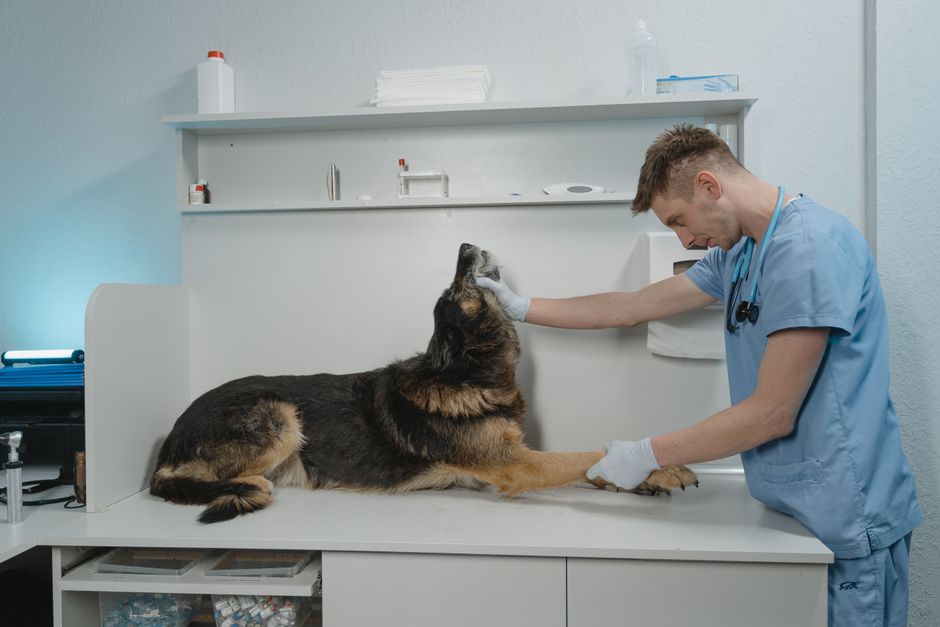
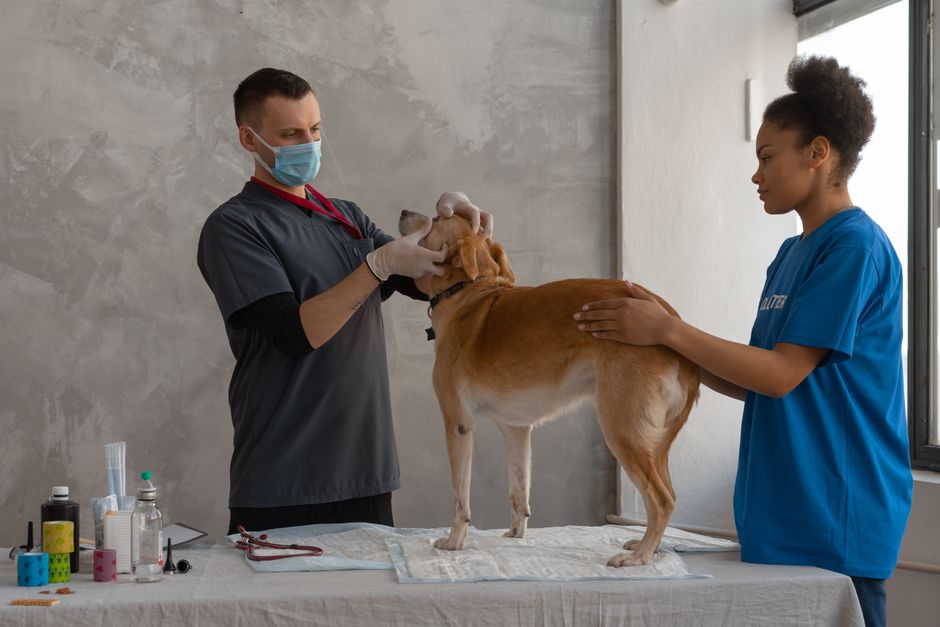
Recognizing Summer Eye Problems in Dogs and Cats
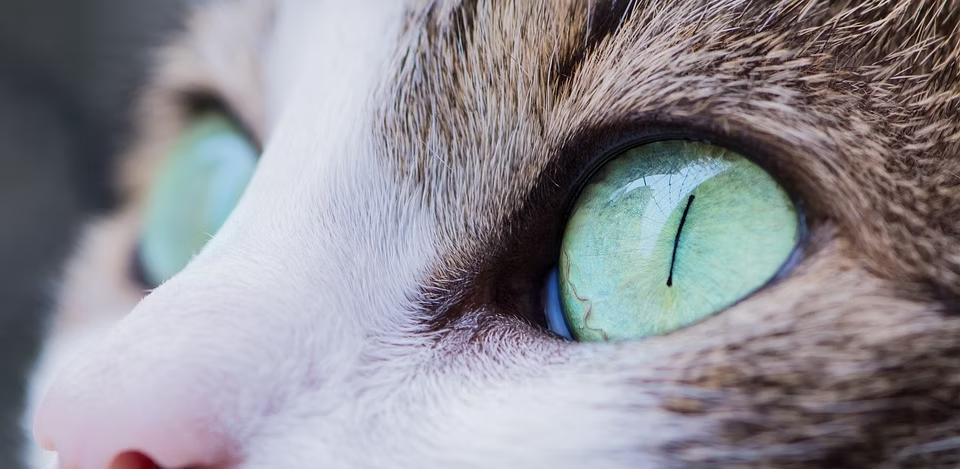
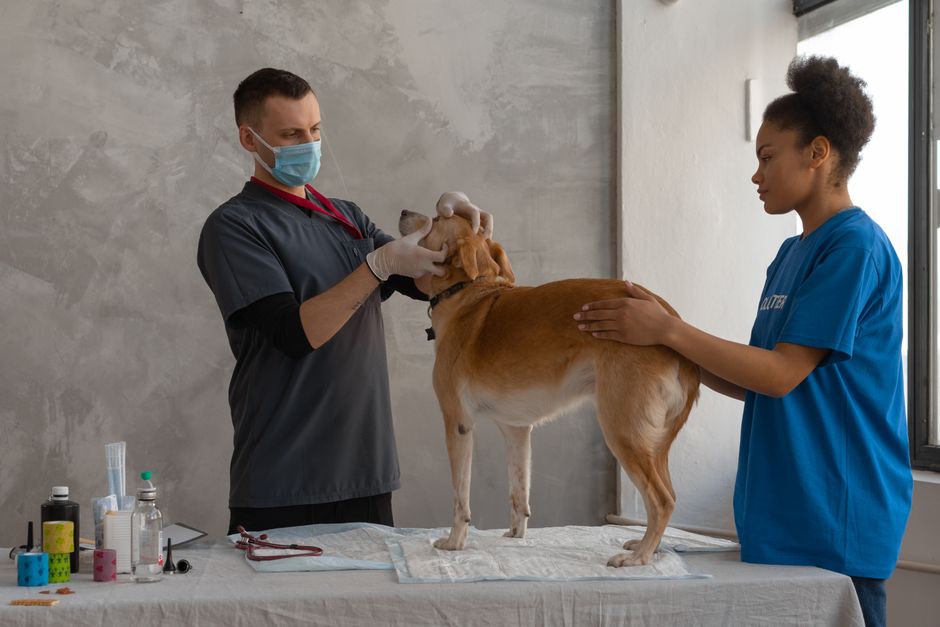
Recognizing Summer Eye Problems in Dogs and Cats
As temperatures soar and sunlight intensifies across Plano and the Dallas-Fort Worth area, pet owners often notice their dogs or cats squinting, pawing at their faces, or developing reddish, watery eyes. Summer’s unique challenges—including strong UV rays, dry windy days, pollen, and increased outdoor activities—can all impact your pet’s eye health. At Animal Eye Specialists, our board-certified veterinary ophthalmologist, Dr. Stephanie Beaumont, understands just how distressing it can be to see your pet in discomfort or at risk of vision loss. Our specialty eye care clinic, located at 1545 W Plano Pkwy, Plano, TX 75075, is dedicated exclusively to diagnosing and treating eye problems in dogs and cats.
In this blog, we’ll guide you through the most common summer eye problems affecting pets, the warning signs to watch for, what causes these seasonal issues, and how a veterinary ophthalmologist can help protect your companion’s sight. You’ll also discover practical home care tips and learn when to seek advanced veterinary eye care in Plano and surrounding communities.
Spotting Summer Eye Problems in Dogs and Cats
Many eye conditions in pets begin subtly, but Plano’s summer climate can make certain problems appear quickly. Recognizing early signs is the key to preventing lasting damage. Symptoms include increased squinting or blinking, redness around the white of the eye, and a noticeable cloudiness or haziness to the surface of the eye. You might see your dog or cat rubbing their face on the carpet or furniture, or pawing at their eyes more than usual. Other changes that should prompt concern are increased discharge (which can be watery, yellow, or green), swelling of the eyelids, or sudden hesitation in bright sunlight.
Pets with lighter-colored eyes, short noses, or breeds prone to allergies may be especially sensitive during summer. For example, brachycephalic dogs like Shih Tzus and Pugs, or cats such as Persians, often struggle more with dry, irritated, or exposed eyes. If your pet’s eye appears cloudy or the pupil seems bluish or white, this could indicate cataracts, corneal ulcers, or other serious conditions. More about these issues is available on our common eye diseases resource page.
If you notice your pet is bumping into furniture or seems suddenly reluctant to go outside in bright light, vision loss may also be present. Rapid changes in vision always require urgent attention from a veterinary ophthalmologist.
Why Are Summer Months Risky for Pet Eyes?
Plano’s hot, sunny climate brings several risk factors that make summer a peak season for pet eye problems. Increased UV exposure can trigger inflammation in sensitive eyes, especially for pets with little pigment or those with thin eyelids. Sunlight can worsen pre-existing conditions like pannus (chronic superficial keratitis), which is more common in certain breeds such as German Shepherds.
Dry, windy days contribute to dust and pollen swirling through the air, which can irritate the surface of the eye and lead to allergic conjunctivitis. Pets who enjoy sunbathing near windows or spend more time outdoors are at greater risk for exposure-related issues. Swimming in pools, lakes, or rivers can introduce irritants or even infectious organisms, increasing the risk for corneal ulcers or conjunctivitis.
Outdoor play and increased activity often lead to accidental trauma. Running through tall grass, chasing a ball, or roughhousing at the dog park can result in scratches or foreign bodies in the eye. Even a simple walk can be hazardous if a foxtail or grass awn lodges under the eyelid.
Underlying medical conditions may also flare up in the heat. For example, dry eye (keratoconjunctivitis sicca) is often worsened by dehydration or increased tear evaporation, especially in dogs with prominent eyes. To learn more about this specific issue, you can review our detailed information on dog watery eyes or mucus (Dry Eye / KCS).
How a Veterinary Ophthalmologist Diagnoses and Treats Summer Eye Issues
When your dog or cat is experiencing eye discomfort or vision changes, a comprehensive examination by a board-certified veterinary ophthalmologist is essential. At Animal Eye Specialists, every patient receives a full ophthalmic exam conducted by Dr. Beaumont, ensuring your pet benefits from advanced diagnostics and the most current treatment options.
During your visit, our team will use tools such as slit lamp examination to carefully assess the cornea, conjunctiva, eyelids, and internal eye structures. This technology allows us to detect subtle injuries, ulcers, or inflammation that may be missed with a standard veterinary exam. For more complex cases, we may use direct and indirect ophthalmoscopy, tonometry to measure intraocular pressure, or ocular ultrasonography to rule out hidden problems within the eye. You can read more about our slit lamp examination and direct and indirect ophthalmoscopy services to understand how these diagnostics help protect your pet’s vision.
Treatment approaches are tailored to the specific diagnosis. For allergic conjunctivitis, we may recommend topical medications to reduce inflammation and relieve itching. Corneal ulcers or trauma typically require prompt medical and sometimes surgical intervention to prevent deepening or infection. Chronic conditions like dry eye may be managed with daily medications and careful monitoring, while more serious problems such as cataracts or intraocular disease may require advanced surgical procedures only available at specialty practices like ours.
Home Care and Prevention: Protecting Your Pet’s Eyes All Summer
Keeping your dog or cat’s eyes healthy in summer involves both environmental management and proactive care. Limit outdoor activities during the peak UV hours, usually between 10 a.m. and 4 p.m., especially for pets with pre-existing eye conditions or light-colored eyes. Consider using pet-safe sunglasses for dogs who spend time outside with you, or provide shaded play areas to reduce sun exposure.
After outdoor adventures, gently wipe your pet’s face with a damp, clean cloth to remove dust, pollen, or potential irritants. Always dry your pet’s face thoroughly after swimming to prevent water-borne organisms from irritating the eyes. Monitor for any changes in eye appearance or behavior, and ensure fresh, clean water is always available to help maintain healthy tear production.
Never attempt to treat eye injuries or infections at home with over-the-counter medications or human eye drops, as these can cause serious harm. Instead, seek professional advice if you notice any changes in your pet’s eyes.
Regular check-ups with your general veterinarian are important, but if you observe persistent symptoms or if your pet has a history of eye problems, a direct referral to a veterinary ophthalmologist can make all the difference in protecting their vision.
When to Seek Advanced Veterinary Eye Care
Certain symptoms require prompt evaluation by a veterinary ophthalmologist. Warning signs that should never be ignored include sudden onset of redness, squinting, or pawing at the eye, visible cloudiness or a bluish tint, rapid swelling of the eyelids, or any discharge that is yellow or green. If your pet is rubbing at the eye after being outdoors, or you notice an obvious scratch or foreign object, immediate care is crucial to prevent serious complications.
Vision changes—such as bumping into furniture, reluctance to go outdoors, or difficulty finding food and water bowls—could signal acute eye disease or injury. In some cases, rapid intervention can preserve vision that might otherwise be lost. You can learn more about specific symptoms and when to seek care on our pages about dog squinting or blinking (corneal ulcers & trauma) and cat squinting or tearing (corneal repair & entropion).
If you are unsure whether your pet’s symptoms require a specialist, remember that Animal Eye Specialists welcomes referrals and is happy to work with your primary veterinarian to ensure continuity of care for your dog or cat.
Supporting Your Pet’s Eye Health in Plano and Beyond
Summer in North Texas brings plenty of opportunities for pets to enjoy the outdoors, but it also raises the risk of eye injuries and seasonal diseases. By recognizing early warning signs, understanding why summer poses unique hazards, and knowing when to seek expert help, you are taking important steps to protect your companion’s sight.
If your dog or cat is showing any signs of eye discomfort or vision changes this summer, the team at Animal Eye Specialists is here to help. Our board-certified veterinary ophthalmologist provides advanced diagnostics, personalized treatment, and stress-free care for pets across Plano and surrounding communities. When searching for a specialty vet near me, choose a practice devoted exclusively to animal eye health, where your companion will always be seen by a specialist.
To schedule an appointment or ask about a referral, contact our veterinary professionals at (972) 845-9948 or visit our clinic at 1545 W Plano Pkwy, Plano, TX 75075. For more information about the types of eye diseases we treat, visit our common eye diseases page. With prompt attention and expert care, you can help your pet enjoy clear, comfortable vision all summer long.
This blog is for informational purposes only and does not replace individualized veterinary care. If you notice any changes in your pet’s eyes or vision, consult a veterinary ophthalmologist promptly for diagnosis and treatment.