Is Cataract Surgery for Pets Safe? Plano Pet Eye Care Guide
Is Cataract Surgery for Pets Safe? Plano Pet Eye Care Guide
If you have noticed your dog or cat developing cloudy eyes or struggling with vision, you may be wondering if cataract surgery for pets is safe and what the procedure involves. At Animal Eye Specialists in Plano, TX, we understand how much you care about your pet’s comfort, happiness, and quality of life. The idea of eye surgery can feel overwhelming, but advances in veterinary ophthalmology have made cataract surgery safer, more effective, and more comfortable than ever before. As a specialty clinic led by a board-certified veterinary ophthalmologist, our team is dedicated exclusively to diagnosing and treating eye diseases in dogs and cats. In this guide, you’ll learn what cataracts are, how to recognize them, what causes them, how cataract surgery is performed, and most importantly, how we ensure your pet’s safety and wellbeing from the first consultation to the final follow-up. We will also answer the most common questions about cataract surgery for pets, including what to expect and when to seek specialized care. If you are looking for advanced cataract surgery for pets in Plano and surrounding communities, our veterinary ophthalmology team is here to help.
Recognizing Cataracts in Dogs and Cats
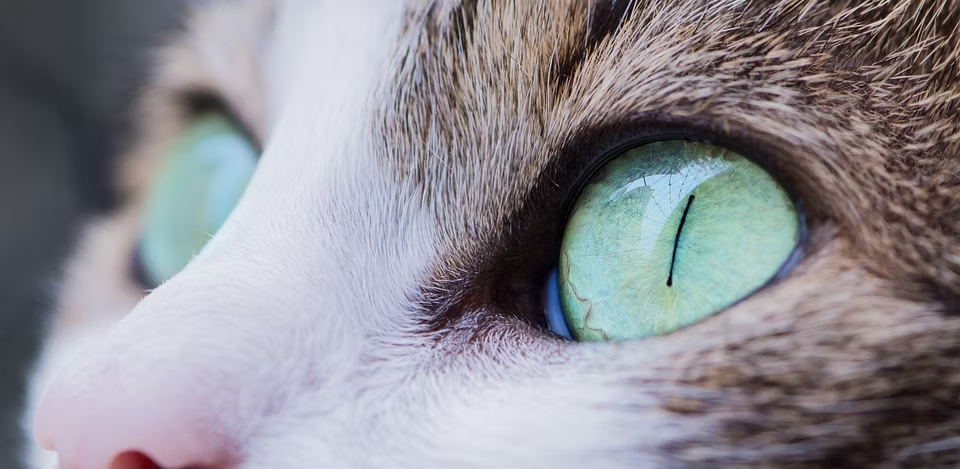
Cataracts are a common cause of vision loss in pets, especially in older dogs, certain breeds, and occasionally in cats. If you notice your pet’s eyes becoming cloudy or bluish-grey, it may be an early sign of cataracts. Other symptoms include your pet bumping into furniture, hesitating on stairs, becoming more cautious in new environments, or showing signs of vision loss at dusk or in low light. Some pets may develop red or irritated eyes, increased tearing, or visible changes to the lens. The progression of cataracts can be gradual or sudden, and not all cloudy eyes are caused by cataracts. Conditions such as nuclear sclerosis or corneal degeneration may present with similar symptoms, which is why a thorough evaluation by a veterinary ophthalmologist is so important. If you are unsure whether your pet is showing signs of cataracts or another eye condition, resources like our dog cloudy eyes, cataracts, and corneal degeneration guide or our cat hazy or cloudy eyes page can help you determine when to seek professional advice.
What Causes Cataracts in Pets?
Understanding why cataracts develop in pets can offer peace of mind and guide your decision-making. Cataracts form when the lens of the eye becomes opaque instead of remaining clear, blocking light from reaching the retina and causing vision impairment or blindness. In dogs, the most common causes are genetics, diabetes, aging, eye trauma, or previous inflammation (uveitis). Certain breeds such as Poodles, Cocker Spaniels, Schnauzers, and Bichon Frises are more prone to inherited cataracts, which can develop even in young or middle-aged dogs. Diabetes is another significant cause, as high blood sugar levels can quickly lead to lens changes and rapid vision loss. In cats, cataracts are less common, but they may arise from chronic eye inflammation, trauma, or as a complication of other eye diseases. Environmental factors and nutritional deficiencies are rare causes, but cannot be completely ruled out. While some cataracts progress slowly, others can cause sudden blindness, especially in diabetic pets. Accurate diagnosis of the underlying cause is essential for planning the safest and most effective treatment, which is why a comprehensive ophthalmic exam by a board-certified veterinary ophthalmologist is recommended for any pet with cloudy eyes or vision changes.
Cataract Surgery for Pets: What to Expect
When cataracts significantly impair your pet’s vision or quality of life, surgery is often the only way to restore sight. The gold standard for cataract removal in pets is phacoemulsification, a sophisticated microsurgical technique that uses ultrasound energy to break up and remove the cloudy lens through a tiny incision. This procedure is very similar to cataract surgery in humans and is performed under general anesthesia by a board-certified ophthalmologist. At Animal Eye Specialists in Plano, every cataract surgery for pets is carefully planned to maximize safety and outcomes. Prior to surgery, we perform a full ophthalmic examination using advanced diagnostic tools, including ocular ultrasonography and electroretinography, to evaluate the retina and ensure it is healthy enough to support vision after surgery. During the procedure, the cloudy lens is replaced with an artificial intraocular lens (IOL), which helps restore clear vision and allows your dog or cat to see more normally again. In some cases, if an IOL cannot be placed, your pet will still regain functional vision, although it may not be as sharp as with a lens. You can find a detailed overview of cataract removal (phacoemulsification) with intraocular lens implantation on our website for those who want to learn more about the technique and its benefits.
Is Cataract Surgery Safe for Pets?
Safety is our top priority, and we know pet owners want reassurance before considering surgery. Cataract surgery for pets has a high success rate when performed by an experienced, board-certified ophthalmologist with access to advanced technology. The risks are similar to those in human cataract surgery and include infection, inflammation, glaucoma, retinal detachment, or intraocular bleeding. Thorough preoperative screening, meticulous surgical technique, and attentive post-operative care help minimize these risks. At Animal Eye Specialists, our veterinary team uses a Fear Free-based approach to reduce stress and anxiety for your pet before, during, and after surgery. We work closely with you to explain each step, provide detailed instructions for at-home care, and schedule regular follow-up visits to monitor healing. Most pets recover quickly and regain significant vision improvement, often within days of the procedure. While no surgery can be declared completely risk-free, the vast majority of dogs and cats experience life-changing benefits from cataract removal.
Caring for Your Pet Before and After Cataract Surgery
Proper preparation and aftercare are crucial for a successful outcome. Before surgery, we may recommend blood tests, blood pressure measurement, and sometimes additional imaging to ensure your pet is a good candidate for anesthesia and eye surgery. If your pet has diabetes or other chronic conditions, stabilizing these is important for optimal healing. After surgery, your pet will need to wear an Elizabethan collar (cone) to protect the eye and prevent rubbing. You will administer prescribed eye drops and oral medications to control inflammation, reduce pain, and prevent infection. Your pet may need to rest quietly at home and avoid rough play or vigorous exercise for several weeks. Follow-up appointments are an essential part of the process; our veterinary ophthalmology team will monitor healing and catch any complications early. For a more detailed explanation of what happens after surgery, including the timeline and expected milestones, visit our post-operative treatment page.
Preventing Eye Problems and Supporting Vision at Home
While not all cataracts can be prevented, there are steps you can take to support your pet’s eye health and comfort. Keeping up with annual checkups, monitoring for changes in your pet’s eyes or behavior, and managing underlying health issues such as diabetes are all important. If your pet is at higher risk for cataracts due to breed or family history, regular eye exams by a veterinary ophthalmologist can help catch problems early. At home, ensure your pet’s environment is safe and free from hazards that could injure their eyes. Promptly address any signs of eye redness, discharge, squinting, or vision changes. If your pet is recovering from surgery, closely follow all at-home care instructions and reach out to our team if you notice anything concerning. For more information about chronic ophthalmic diseases and how to manage them, our resources are designed to support pet owners every step of the way.
When to Seek Veterinary Ophthalmology Care
If you notice your dog or cat developing cloudy eyes, bumping into objects, or showing signs of vision loss, it is important to seek professional evaluation as soon as possible. Early diagnosis and treatment can improve surgical outcomes and help preserve vision. Cataract surgery is most successful when performed before secondary complications, such as lens-induced uveitis or glaucoma, develop. If your primary veterinarian has diagnosed your pet with cataracts, or if you are concerned about your pet’s eyes, a referral to a board-certified veterinary ophthalmologist is the best next step. At Animal Eye Specialists in Plano, TX, we accept referrals from general practice veterinarians and also welcome direct inquiries from pet owners throughout Plano and nearby communities. Your pet’s comfort, safety, and vision are always our focus, and we are happy to answer any questions you have about cataract surgery for pets or other specialized eye care.
Restoring Sight and Confidence: Your Partner in Pet Eye Health
Cataract surgery for pets has transformed the lives of countless dogs and cats, allowing them to return to their favorite activities, explore their world with renewed confidence, and enjoy a higher quality of life with their families. At Animal Eye Specialists, our board-certified veterinary ophthalmologist and experienced support team are committed to providing the safest, most advanced eye care for every patient we see. If you are searching for a trusted ophthalmology vet near me, know that our practice is dedicated exclusively to pet eye health, offering advanced diagnostics, surgical expertise, and compassionate follow-up care. Whether you are just beginning to notice changes in your pet’s vision or you are ready to explore cataract surgery for pets in Plano, we invite you to reach out to us with your questions.
To schedule a consultation or learn more about how our specialized services can help your dog or cat, contact our veterinary ophthalmology team at (972) 845-9948 or visit us in person at 1545 W Plano Pkwy, Plano, TX 75075. You can also explore our website for additional resources on cataract surgery for pets, treatment options, and photo case studies. Your pet’s bright future starts with clear, healthy eyes , let us be your partner in their lifelong vision and comfort.
Medical Disclaimer: This article is intended for informational purposes only and does not replace professional veterinary advice, diagnosis, or treatment. Always consult with a board-certified veterinary ophthalmologist regarding your pet’s individual needs.