Cataract Surgery for Pets: Recovery Timeline and What to Expect
Cataract Surgery for Pets: Recovery Timeline and What to Expect
Cataract surgery for pets can feel like a big step for any pet owner, especially when it comes to understanding what life will look like for your dog or cat after the procedure. At Animal Eye Specialists in Plano, TX, we know how much you care about your pet’s vision and comfort. Our board-certified veterinary ophthalmologist, Dr. Stephanie Beaumont, is dedicated to providing specialized eye care for dogs and cats across Plano and surrounding communities. In this guide, we will walk you through what to expect after cataract surgery for pets, including the recovery timeline, key milestones, and practical tips to help your pet heal comfortably. Whether you are preparing for surgery or supporting your pet through recovery, understanding each stage empowers you to make the best decisions for your pet’s long-term eye health. For more on the details of the procedure itself, you can also explore our cataract surgery information and resources for pets.
Recognizing When Cataract Surgery Is Needed for Your Pet
If your dog or cat has been diagnosed with cataracts, you may have already noticed changes in their behavior or vision. Common signs of cataracts in pets include a cloudy or whitish appearance in one or both eyes, increased clumsiness, bumping into furniture, reluctance to go outside at night, or hesitance on stairs and unfamiliar terrain. Some pets may also show signs of visual confusion or anxiety in new environments. Owners often recall a time when their pet’s eyes seemed to lose their usual brightness, or when playing fetch became more of a challenge. It is important to understand that not all cloudy eyes are due to cataracts—other conditions like corneal degeneration or uveitis can look similar. If you notice these signs, a thorough examination by a veterinary ophthalmologist is essential to determine if cataract surgery for pets is appropriate. For more information on cloudy eyes and cataract symptoms, our team recommends reviewing our guides on dog cloudy eyes, cataracts, and corneal degeneration or cat hazy or cloudy eyes, feline cataracts, and keratitis.
Understanding Cataracts: Why They Develop in Dogs and Cats
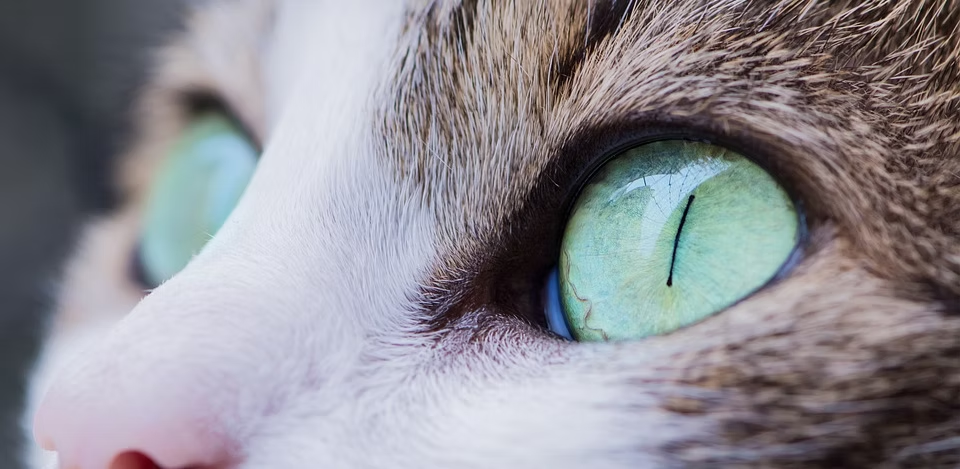
Cataracts develop when the normally clear lens inside your pet’s eye becomes opaque, blocking light from reaching the retina and causing vision loss. In dogs, cataracts are often inherited, especially in certain breeds such as Poodles, Cocker Spaniels, and Schnauzers. Diabetes is another common cause, where rapid changes in lens hydration lead to the formation of cataracts. In cats, cataracts are less common but can occur as a result of chronic inflammation, trauma, or advanced age. Sometimes, cataracts may also be related to nutritional deficiencies or secondary to other eye diseases.
The most important thing to remember is that cataracts are not always painful, but they can severely impact your pet’s quality of life by limiting their ability to see and interact with their environment. Left untreated, cataracts can sometimes lead to complications such as lens-induced uveitis (inflammation inside the eye), glaucoma, or retinal detachment. Each of these conditions presents its own risks, which is why timely diagnosis and intervention by a veterinary ophthalmologist are crucial. Our team at Animal Eye Specialists uses advanced diagnostics to determine the underlying cause and the best course of action for your pet’s vision.
Treatment Options: What Happens During Cataract Surgery for Pets
When cataract surgery for pets is recommended, the goal is to restore vision by removing the cloudy lens and, in most cases, replacing it with an artificial intraocular lens. The most advanced surgical technique used is phacoemulsification, which involves using ultrasound energy to break up and remove the cataract through a tiny incision. Our ophthalmology clinic in Plano provides cataract removal with intraocular lens implantation, offering your pet the best chance at regaining clear vision.
The procedure is performed under general anesthesia, and your pet will be closely monitored throughout. Rest assured that every surgery at Animal Eye Specialists includes a comprehensive pre-surgical evaluation, including ocular ultrasonography and electroretinography, to ensure the retina is healthy and good vision can return. Dr. Beaumont and our veterinary team use precise, minimally invasive techniques and pain management strategies based on Fear Free principles to keep your pet comfortable from start to finish.
Some pets may not be ideal candidates for lens implantation due to underlying eye conditions, but even in these cases, removal of the cataract itself can often provide significant relief and improved function. After surgery, your pet will begin a carefully managed recovery process, which is just as important as the procedure itself.
The Recovery Timeline: What to Expect After Cataract Surgery for Pets
Immediate Post-Operative Period (First 24-48 Hours)
After cataract surgery, your pet will typically return home the same day or the following morning. During the first 24 to 48 hours, it is common to notice mild redness, swelling around the eye, increased tear production, or a slightly sleepy demeanor. Your pet may wear a protective cone to prevent rubbing or scratching the eye. Vision improvement can sometimes be noticed within the first day, but the eye needs time to heal before full clarity is achieved.
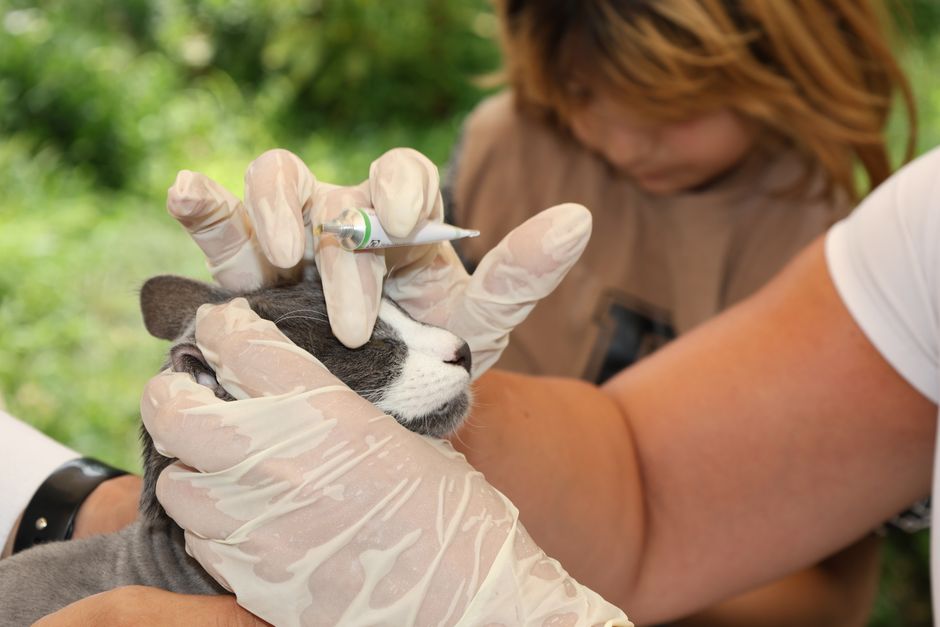
Strict medication schedules are essential at this stage. You will be administering prescribed eye drops, which may include anti-inflammatory, antibiotic, and pressure-lowering medications several times daily. Our veterinary team will provide clear instructions and demonstrate how to safely apply these drops without causing stress.
Short-Term Recovery (First Two Weeks)
Within the first two weeks, you may observe your pet becoming more confident and active as their vision returns. Most swelling and redness resolve during this time, and your pet will start to adapt to clearer vision. It is crucial to restrict vigorous activity such as running, jumping, or rough play to prevent accidental trauma to the healing eye. Keep walks on a leash and avoid situations where your pet could bump into objects or other animals.
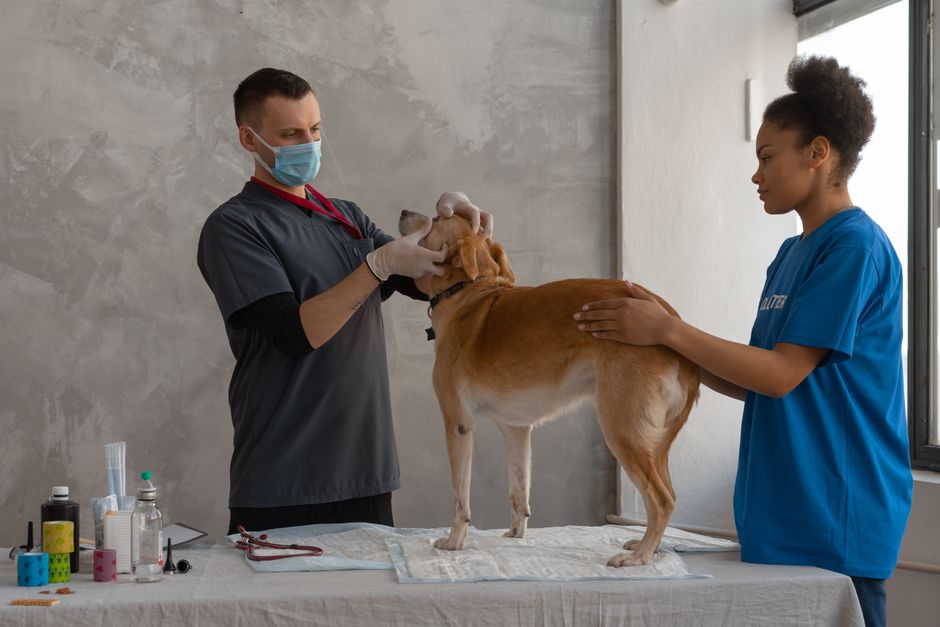
Follow-up appointments are scheduled to monitor healing, check intraocular pressure, and ensure there are no complications such as infection or inflammation. At Animal Eye Specialists, we provide comprehensive follow-up care and post-operative treatment to guide you through each step and promptly address any concerns.
Long-Term Healing (First Month and Beyond)
Most pets achieve significant vision improvement within the first month after surgery. Your veterinary ophthalmologist will gradually reduce the frequency of medications as healing progresses. Continued follow-up visits help track your pet’s recovery, assess lens stability, and screen for late complications such as glaucoma.
While the majority of pets experience life-changing benefits from cataract surgery, some may require ongoing management for chronic eye conditions. Our team will educate you on what to watch for at home and answer any questions about your pet’s eye health as they adjust to their new vision.
Home Care Tips: Supporting Your Pet’s Recovery
Your role in your pet’s recovery is vital. Consistent care at home helps ensure the best possible outcome after cataract surgery for pets. Key home care steps include administering all medications exactly as prescribed, preventing your pet from rubbing their eye, and maintaining a calm environment during the early healing stages. Additionally, monitor for signs like squinting, excessive tearing, discharge, or visible discomfort, and contact our clinic if any of these arise.
Encourage gentle activity but avoid situations that could risk trauma to the eye. Keep your pet indoors or supervised during outdoor trips, especially in the first few weeks. If you have other pets or young children at home, consider separating your recovering pet when you are not able to supervise closely.
Regular check-ins with your veterinary ophthalmologist help catch any issues early and provide reassurance as your pet’s vision improves. For ongoing support and resources, you may find our support resources for owners of blind pets helpful, especially if your pet is adjusting to vision changes.
When to Seek Immediate Veterinary Attention
While most pets recover smoothly from cataract surgery, complications can occasionally arise. Contact your veterinary ophthalmologist immediately if you notice sudden vision loss, persistent squinting, severe redness, green or yellow discharge, pronounced swelling, or if your pet seems unusually lethargic or distressed. These symptoms could indicate infection, increased eye pressure, or other post-operative complications that require prompt attention.
If you are unsure whether a symptom is normal, it is always safer to reach out to our team for guidance. At Animal Eye Specialists, we prioritize fast response and thorough follow-up for all our surgical patients. Timely intervention can prevent minor issues from becoming serious and help protect your pet’s vision for the long term.
Why Choose a Board-Certified Veterinary Ophthalmologist for Cataract Surgery?
Cataract surgery is a highly specialized procedure that requires advanced training, equipment, and experience to achieve the best results. Board-certified veterinary ophthalmologists like Dr. Stephanie Beaumont have completed rigorous residency programs and passed national examinations to provide expert care exclusively focused on animal eyes. By choosing Animal Eye Specialists in Plano, TX, you can be confident your pet will receive a complete ophthalmic evaluation and the most up-to-date surgical techniques available in the Dallas-Fort Worth area.
Our clinic is designed with your pet’s comfort in mind, using Fear Free handling and a calm environment to reduce anxiety. We work closely with your primary care veterinarian to ensure seamless communication and continuity of care before, during, and after cataract surgery for pets.
Supporting Your Pet’s Vision: Take the Next Step with Animal Eye Specialists
Cataract surgery for pets offers the possibility of restored sight and renewed quality of life. By understanding the recovery timeline and knowing what to expect, you can help your dog or cat achieve the best possible outcome. The days and weeks following surgery are a time of healing and adjustment, but with attentive home care and the guidance of a board-certified veterinary ophthalmologist, most pets quickly return to the activities they love.
If you are searching for a specialty eye vet near me, trust the team at Animal Eye Specialists to provide expert, compassionate care for your pet’s vision needs. Whether you have questions about cataract surgery, need a post-operative checkup, or want to learn more about our advanced treatment options, we are here to help every step of the way.
Contact us today at (972) 845-9948 or visit us at 1545 W Plano Pkwy, Plano, TX 75075 to schedule a consultation. For additional information about cataract surgery for pets, you can also explore our cataract surgery information and resources or cataract removal with intraocular lens implantation service. Your pet’s vision is our passion, and we look forward to supporting your family’s journey to brighter days ahead.