How to Recognize Glaucoma Signs in Your Dog or Cat
How to Recognize Glaucoma Signs in Your Dog or Cat
If you have noticed changes in your dog or cat’s eyes—such as cloudiness, redness, or sudden vision problems—you may be worried about conditions like glaucoma. Glaucoma is a serious eye disease that can cause pain and permanent vision loss if not detected and treated early. At Animal Eye Specialists, our board-certified veterinary ophthalmologist in Plano, TX, understands how distressing it can be to see your pet in discomfort or struggling to see. We are dedicated exclusively to eye care for pets, providing advanced diagnostics and personalized treatment for dogs and cats throughout Plano and the surrounding DFW communities. In this guide, you’ll learn how to recognize early signs of glaucoma in your pet, why prompt diagnosis is crucial, and what steps to take if you suspect your dog or cat is affected. Our team is here to support you and your pet with expert, compassionate care right here at 1545 W Plano Pkwy, Plano, TX 75075.
Recognizing the Signs of Glaucoma in Dogs and Cats
Glaucoma is often called a “silent thief of sight” because its signs can be subtle at first. The disease occurs when the pressure inside the eye (intraocular pressure) increases, damaging the optic nerve and retina. Understanding the early warning signs is essential for protecting your pet’s vision. In dogs and cats, symptoms can develop quickly or progress gradually, depending on the underlying cause.
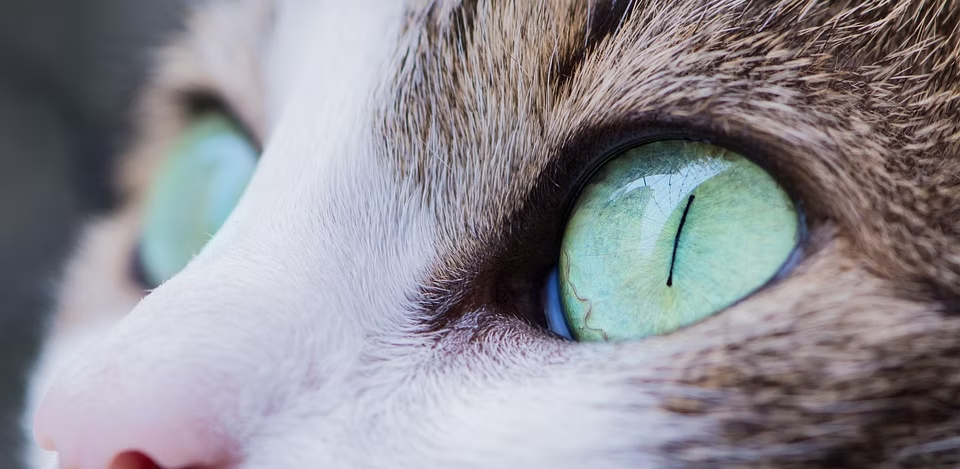
Key symptoms of glaucoma in pets include redness of the white part of the eye, cloudiness or a bluish haze over the cornea, and noticeable enlargement of the eyeball, especially in advanced cases. Your dog or cat might squint, paw at the eye, or show signs of discomfort such as increased blinking or sensitivity to light. In some cases, you may observe vision changes, including your pet bumping into objects, reluctance to jump or navigate stairs, or seeming disoriented in familiar environments. Other signs to watch for are dilated pupils that do not respond normally to light, visible tearing, or a noticeable decrease in your pet’s energy or appetite due to pain. If you notice any of these changes, especially if they appear suddenly, it is important to seek veterinary attention right away.
For more information on eye redness and related conditions in dogs, you can visit our educational resource on red eyes in dogs, including glaucoma, uveitis, and conjunctivitis.
Understanding Why Glaucoma Develops in Pets
Glaucoma in dogs and cats can be classified as either primary (inherited) or secondary (resulting from another eye problem). In primary glaucoma, certain breeds are genetically predisposed due to anatomical abnormalities in the drainage angle of the eye. Breeds such as Cocker Spaniels, Basset Hounds, and Siberian Huskies are more likely to develop inherited glaucoma, often in both eyes over time. For cats, primary glaucoma is relatively rare but can occasionally be seen in some purebred lines.
Secondary glaucoma is more common and occurs when another condition—such as inflammation (uveitis), cataracts, trauma, or a tumor—blocks the normal drainage of fluid from the eye. This blockage causes fluid to build up, resulting in increased intraocular pressure. Infections, chronic eye diseases, and lens luxation are also potential causes. Recognizing and managing these underlying problems is essential for preventing secondary glaucoma from becoming a threat to your pet’s vision.
The progression of glaucoma can be rapid or gradual, but once optic nerve damage occurs, it is often irreversible. This is why early detection and intervention are so critical. Diagnostic tests performed by a veterinary ophthalmologist—such as tonometry for measuring intraocular pressure and gonioscopy to assess the drainage angle—are essential for accurate diagnosis and monitoring.
How Veterinary Ophthalmologists Diagnose and Treat Glaucoma
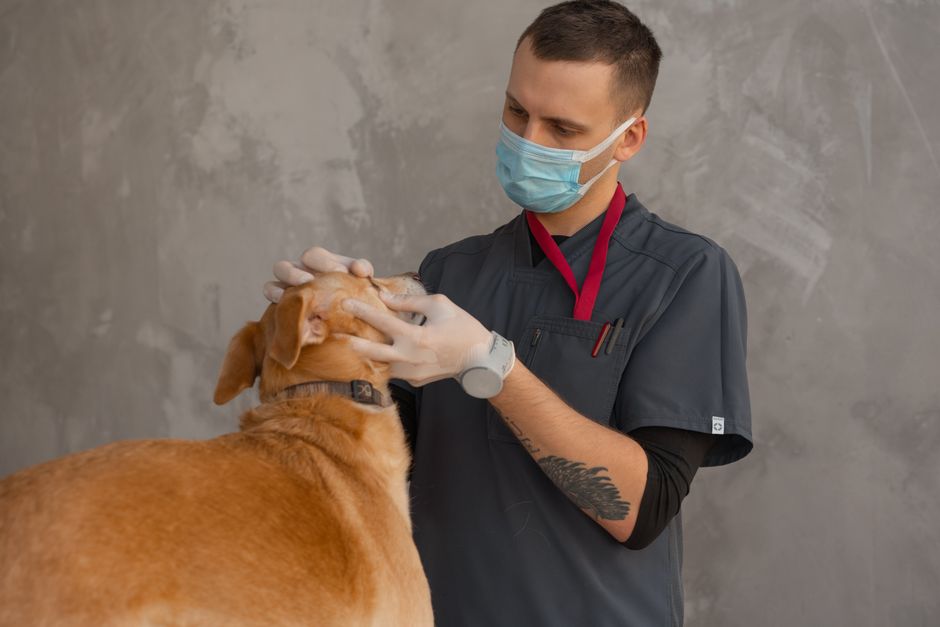
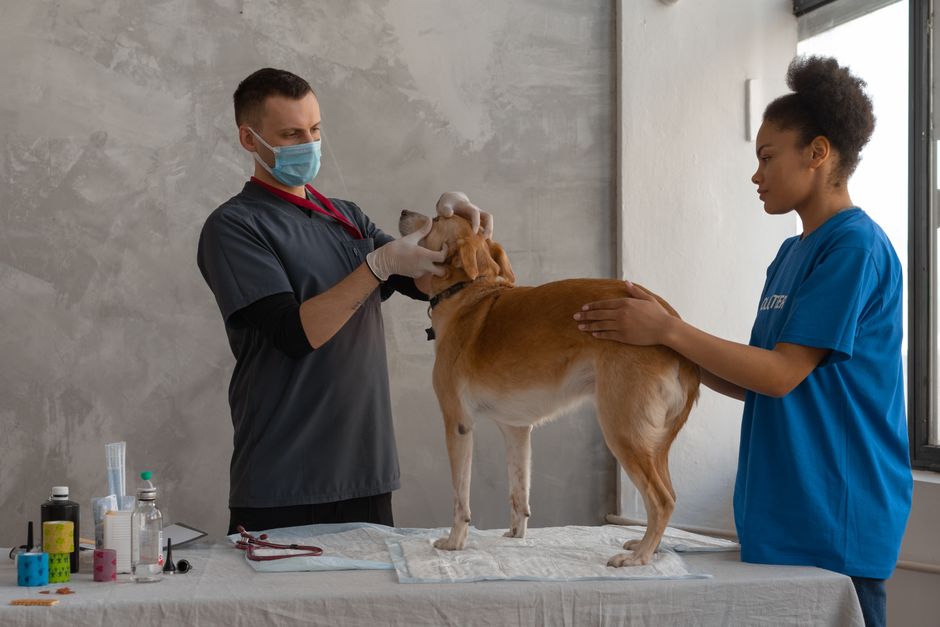
When you bring your pet to Animal Eye Specialists, our board-certified veterinary ophthalmologist will perform a comprehensive eye exam using advanced diagnostic equipment. The evaluation begins with a detailed history of your pet’s symptoms, followed by a close inspection of both eyes with specialized instruments to assess their structure and function.
Tonometry is a key diagnostic tool for glaucoma, allowing us to measure intraocular pressure quickly and painlessly. Elevated pressure confirms the diagnosis and helps differentiate glaucoma from other eye diseases. Gonioscopy, which involves examining the drainage angle of the eye, can help determine whether the glaucoma is primary or secondary, and guide long-term management strategies.
Treatment approaches for glaucoma depend on the severity, underlying cause, and whether the condition is acute or chronic. In the early stages, medications to lower intraocular pressure and control pain are typically prescribed. These may include topical eye drops and oral medications tailored to your pet’s specific needs. In some cases, if medical management is not effective or if the disease is advanced, surgical intervention may be recommended. Surgical options can involve procedures to improve fluid drainage, reduce fluid production, or, in severe and painful cases with no chance of regaining vision, removal of the affected eye (enucleation) to relieve pain and restore quality of life. At Animal Eye Specialists, we offer a range of advanced surgical treatments and long-term management plans for chronic ophthalmic diseases in pets and complicated ophthalmic conditions, all delivered with a focus on compassionate, stress-free care.
Supporting Your Pet at Home: Prevention and Early Detection
While not all cases of glaucoma can be prevented—especially those with a genetic basis—there are steps you can take to support your pet’s eye health and catch problems early. Regular veterinary checkups are crucial, especially if your dog belongs to a breed at higher risk or if your cat has a history of eye disease. Monitoring your pet’s eyes for changes in appearance, behavior, or vision can help you spot trouble before it becomes severe.
At home, observe your pet in different lighting conditions to notice subtle changes in their eyes. Promptly address any eye injuries or signs of discomfort, and avoid using over-the-counter eye medications without veterinary guidance, as these can sometimes worsen the situation. If your pet has had previous eye problems, your general veterinarian may refer you to a veterinary ophthalmologist for ongoing monitoring or advanced diagnostics. Early intervention, including routine diagnostic testing and regular eye exams by a specialist, offers the best chance of preserving your pet’s vision and comfort.
When to Seek Veterinary Care for Suspected Glaucoma
Glaucoma is considered an ocular emergency in pets because vision loss can occur in a matter of hours to days if intraocular pressure is not controlled. If you notice sudden redness, cloudiness, apparent blindness, or a painful, enlarged eye, immediate attention from a veterinary ophthalmologist is necessary. Even subtle changes—such as reduced activity, hesitance to jump, or persistent squinting—should prompt a call to your veterinarian or a referral to a specialist for further examination.
In the Plano area, Animal Eye Specialists serves as a trusted resource for advanced eye care in dogs and cats. Our veterinary ophthalmologist is equipped to diagnose and manage glaucoma promptly, providing individualized care plans and ongoing support for you and your pet. If your general veterinarian suspects glaucoma, they may recommend referral for specialized diagnostics and targeted treatment. Acting quickly can save your pet’s vision and prevent unnecessary pain.
For more information on common eye diseases in pets and when to seek help, you can explore our educational resource on common eye diseases in dogs and cats.
Protecting Your Pet’s Vision: Your Partners in Eye Care
Glaucoma is a serious but manageable condition when caught early. By learning the warning signs and acting quickly, pet owners can make a life-changing difference for their dogs and cats. Remember, prompt diagnosis and specialized treatment are your best tools in safeguarding your pet’s vision and comfort. If you are searching for a specialty ophthalmology vet near me, trust the experience and dedication of our veterinary ophthalmologist at Animal Eye Specialists.
If you have concerns about your dog or cat’s eyes, or if you have been referred by your general veterinarian, we encourage you to schedule a consultation with our team of veterinary professionals. Our board-certified ophthalmologist ensures a thorough, stress-free experience for both you and your pet. To book an appointment or learn more about our advanced diagnostic and treatment options, contact us at (972) 845-9948 or visit us at 1545 W Plano Pkwy, Plano, TX 75075. Your pet’s eyesight and quality of life are our highest priorities—let us help you protect them for years to come.