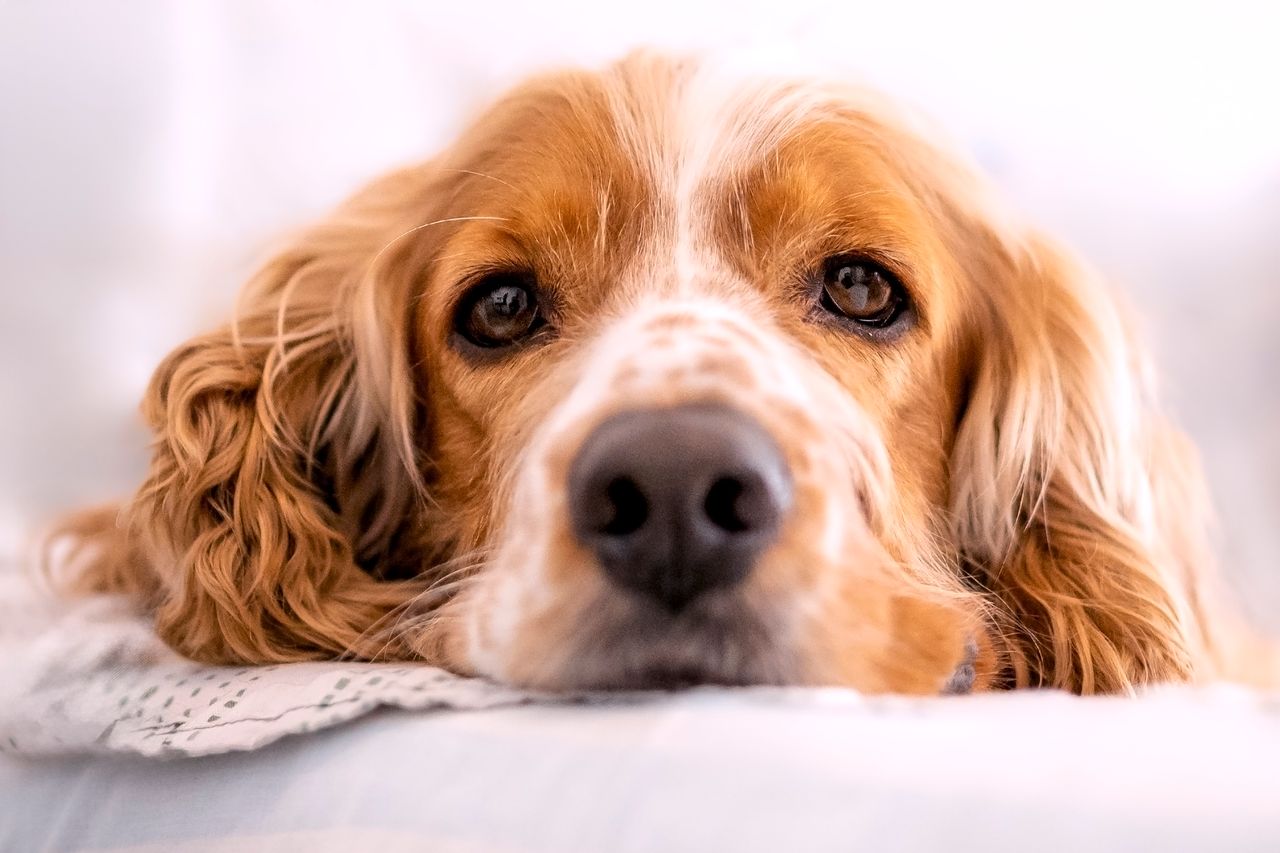
When to See an Ophthalmologist for Dog Cloudy Eyes
A cloudy, hazy, or milky appearance in your dog's eyes can be an early sign of a serious vision problem. While some changes may occur naturally with age, cloudy dog eyes often indicate conditions such as cataracts or corneal degeneration that require specialized evaluation. At Animal Eye Specialists in Plano, TX, our veterinary ophthalmologists use advanced diagnostic equipment to identify the cause of cloudy eyes and recommend the most effective treatment to help preserve or restore your pet's vision.
What Causes Cloudy Eyes in Dogs?
Cloudiness can develop for several reasons, affecting different structures within the eye. Some causes are relatively harmless, while others can lead to significant vision loss if left untreated.
Common causes of cloudy dog eyes include:
- Cataracts
- Corneal degeneration
- Corneal edema
- Nuclear sclerosis
- Glaucoma
- Uveitis
- Corneal ulcers
- Age-related eye changes
Because these conditions can appear similar to pet owners, a comprehensive ophthalmic examination is often necessary to determine the exact cause.
Cataracts in Dogs
Cataracts occur when the normally clear lens inside the eye becomes cloudy. As cataracts progress, they block light from reaching the retina and can eventually lead to blindness.
Signs of cataracts may include:
- Cloudy or milky eyes
- Difficulty navigating familiar spaces
- Bumping into furniture or walls
- Hesitation when using stairs
- Reduced confidence in dim lighting
- Vision loss
Cataracts can develop due to genetics, diabetes, aging, inflammation, or other underlying health conditions. Early diagnosis is important because timely treatment can significantly improve outcomes.
Corneal Degeneration
Corneal degeneration occurs when deposits develop within the cornea, creating a hazy or cloudy appearance on the surface of the eye. This condition may affect one or both eyes and can sometimes be associated with underlying metabolic disorders.
While some cases remain stable, others may progress and require monitoring or treatment by a veterinary ophthalmologist.
Advanced Diagnostic Testing for Cloudy Eyes
At Animal Eye Specialists, we perform specialized diagnostic testing to determine the cause of your dog's cloudy eyes and assess overall eye health.
Slit Lamp Examination
A slit lamp examination allows us to closely evaluate the cornea, lens, and other structures within the eye. This detailed assessment helps identify cataracts, corneal degeneration, inflammation, and other abnormalities that may not be visible during a routine examination.
Comprehensive Ophthalmic Evaluation
Our team may also perform additional testing to assess vision, eye pressure, retinal health, and the overall condition of the eye before recommending treatment.
Cataract Surgery for Dogs
For many dogs with cataracts, surgery offers the best opportunity to restore vision. Animal Eye Specialists performs Cataract Removal (Phacoemulsification), an advanced procedure that breaks apart and removes the cloudy lens.
In many cases, an Intraocular Lens Implant can be placed during surgery to help restore normal vision. Dogs that undergo cataract surgery often experience significant improvements in their quality of life and ability to navigate their environment.
When Should You Schedule an Evaluation?
You should seek a specialist evaluation if your dog develops:
- Cloudy or milky eyes
- A bluish or hazy appearance within the pupil
- Difficulty seeing obstacles
- Bumping into furniture or walls
- Hesitation on stairs
- Sudden vision changes
- Signs of discomfort or eye irritation
Early diagnosis can help prevent complications and improve the likelihood of successful treatment.
Schedule an Evaluation
If you have noticed cloudy dog eyes, a milky appearance, or signs of vision loss, don't wait for symptoms to progress. At Animal Eye Specialists in Plano, TX, our team provides advanced diagnostic testing and specialized treatment for cataracts, corneal degeneration, and other vision-threatening conditions. Call (972) 437-3937 today to schedule a comprehensive ophthalmic evaluation.