Dog Cataract Surgery Price: What Determines the Cost in Plano
Dog Cataract Surgery Price: What Determines the Cost in Plano?
If you have noticed your dog’s eyes growing cloudy or suspect vision loss, you may be researching cataract surgery and wondering about the dog cataract surgery price in Plano. Understanding the costs, what’s involved in advanced veterinary eye care, and how board-certified specialists like Animal Eye Specialists can help is essential for making informed decisions about your dog’s health. At our specialty ophthalmology clinic located at 1545 W Plano Pkwy, Plano, TX 75075, we focus exclusively on comprehensive pet eye care, using state-of-the-art diagnostics and surgical expertise to restore and protect vision. In this article, we’ll explain what factors influence the cost of cataract surgery for dogs, why specialized care truly matters, and what you can expect throughout the process.
Whether you live in Plano or a surrounding community, our team of veterinary ophthalmology professionals is here to provide clarity and support. We’ll walk you through the symptoms of cataracts in dogs, how the condition develops, what treatment involves, and how pricing is determined at a dedicated pet eye care center like Animal Eye Specialists. You’ll also find guidance on when to seek professional help, steps you can take at home to support your dog’s eye health, and how our Fear Free approach makes a difference for you and your pet.
Recognizing Cataracts in Dogs: When Should You Be Concerned?
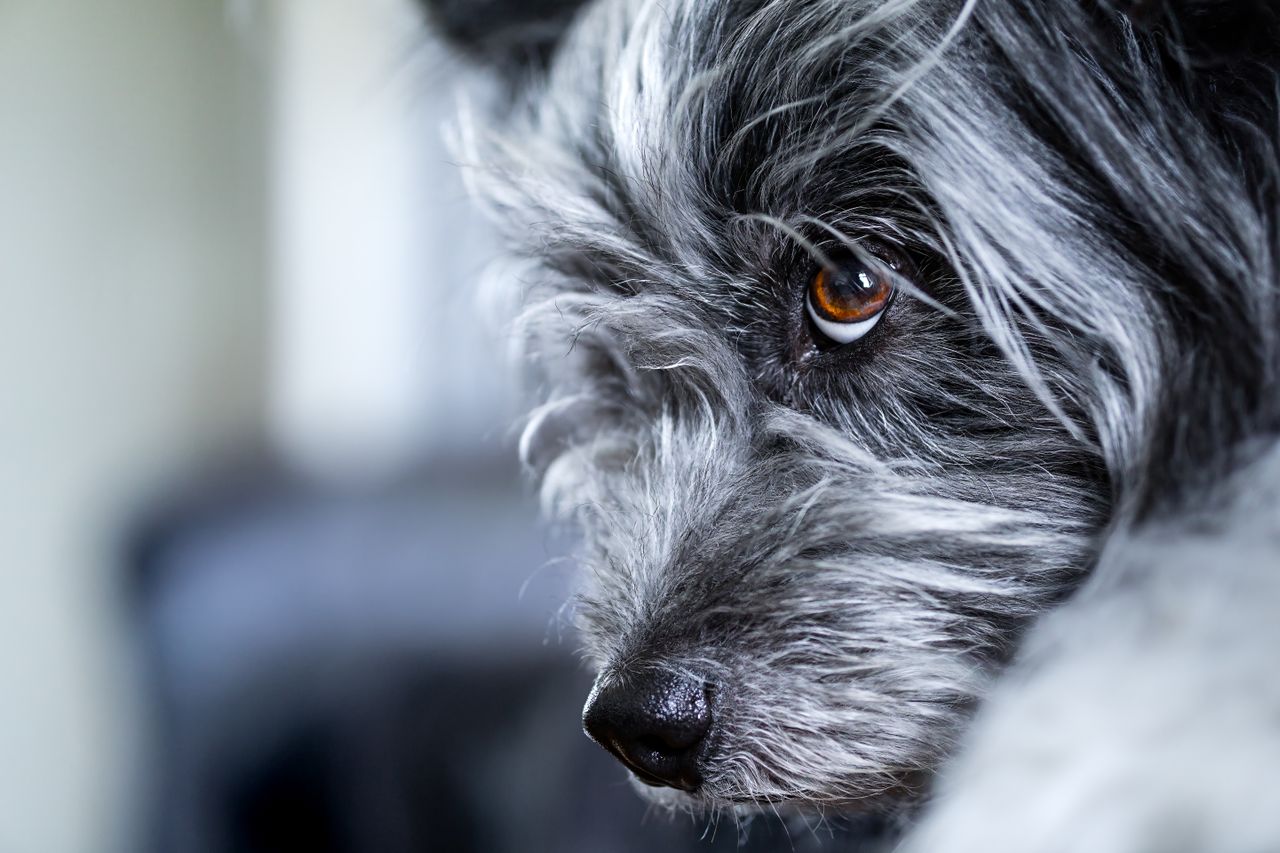
Many pet owners first notice cataracts when their dog’s eyes appear cloudy, bluish, or gray, often reflecting light differently than before. Key symptoms include bumping into furniture, hesitation with stairs, reluctance to jump, or visible confusion in new environments. Other signs are increased clumsiness, difficulty seeing treats or toys, and hesitation in dim lighting. Sometimes, dogs with cataracts squint, paw at their face, or develop redness and discharge if inflammation is present.
It’s important to distinguish cataracts from normal age-related changes such as nuclear sclerosis, which also causes some lens cloudiness but usually does not impair vision significantly. Cataracts, on the other hand, can progress rapidly or slowly, often leading to partial or complete vision loss if untreated. If you notice any of these symptoms in your dog, a prompt consultation with a veterinary ophthalmologist is recommended. Early detection gives your dog the best chance for successful treatment and vision restoration.
For more information on identifying cataracts and other causes of cloudy eyes, you can visit our resource on cloudy eyes in dogs, including cataracts and corneal degeneration.
What Causes Cataracts in Dogs?
Cataracts in dogs are most commonly hereditary, especially in certain breeds such as Poodles, Cocker Spaniels, and Boston Terriers. Other contributing factors include diabetes mellitus, eye injuries, chronic inflammation, and aging. Sometimes, puppy cataracts are present at birth or develop in young dogs, while others occur later in life.
The lens of the eye becomes cloudy as proteins clump together, blocking light from reaching the retina. Over time, this cloudiness can become dense, significantly affecting vision. Diabetes-induced cataracts often develop quickly, sometimes within weeks of diagnosis, while inherited or age-related cataracts may progress more slowly. In all cases, professional evaluation is essential to determine the type, stage, and best treatment approach for your dog.
How Is Dog Cataract Surgery Performed? Advanced Eye Care at Animal Eye Specialists
Cataract surgery for dogs is a highly specialized procedure performed by board-certified veterinary ophthalmologists. The most advanced and effective method is phacoemulsification, which uses ultrasound energy to break up and remove the cloudy lens material. Once the cataract is removed, an artificial intraocular lens (IOL) is implanted to restore focusing ability and visual clarity.
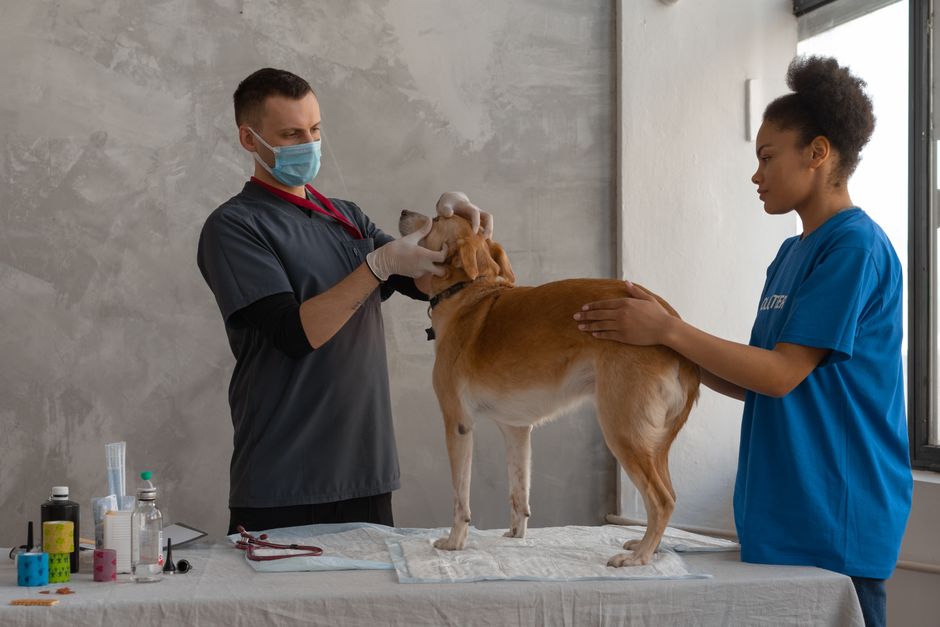
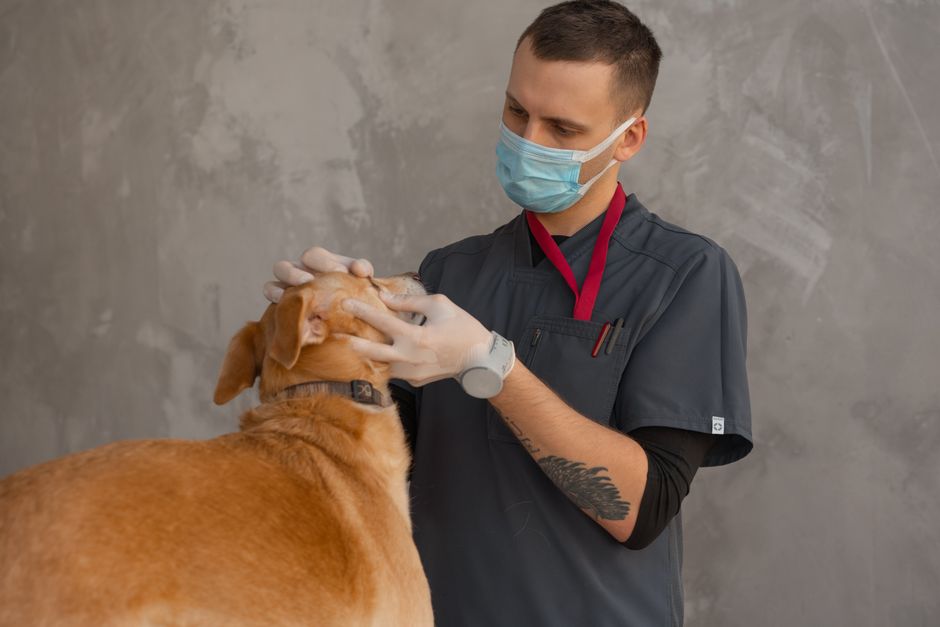
At Animal Eye Specialists, the process begins with a thorough ophthalmic examination and advanced diagnostic tests. These include electroretinography to assess retinal function, ocular ultrasonography to evaluate internal eye structures, and tonometry to measure intraocular pressure. These tests help ensure that the retina and other eye tissues are healthy enough to support a successful outcome. Not all dogs are candidates for surgery, so these evaluations are a critical part of the planning process.
During surgery, your dog is placed under general anesthesia, and advanced microsurgical techniques are used to remove the cataract and implant the new lens. Recovery typically involves a day at the clinic, followed by close monitoring and a structured post-operative care plan. Our veterinary ophthalmology team provides comprehensive post-operative treatment and follow-up care to support optimal healing and long-term results.
For a detailed overview of the surgical process and the technology involved, visit our page on cataract removal using phacoemulsification with intraocular lens implantation.
What Determines Dog Cataract Surgery Price in Plano?
Understanding the dog cataract surgery price in Plano involves several important factors. Unlike routine veterinary care, cataract surgery is a sophisticated, multi-step process requiring specialized equipment, advanced diagnostics, skilled surgical expertise, and dedicated aftercare. Here are the main elements that influence pricing at a board-certified ophthalmology clinic like Animal Eye Specialists.
The initial consultation and comprehensive eye exam are essential for diagnosis and surgical planning. Pre-surgical testing, including electroretinography, ocular ultrasound, and intraocular pressure assessment, help ensure your dog is a good candidate and that surgery will be safe and effective. The surgery itself involves specialized instruments, sterile operating facilities, and a highly trained veterinary ophthalmologist. Anesthesia, surgical supplies, and the artificial lens implant are all included in the total cost.
Additionally, the price reflects the complexity of each individual case. Dogs with underlying health conditions, advanced cataracts, or concurrent eye diseases may require extra procedures, medications, or extended hospital stays. Post-operative care is another important consideration, as successful outcomes depend on careful monitoring, follow-up visits, and sometimes adjustments to medications.
While prices can vary regionally and between clinics, specialized ophthalmology centers like Animal Eye Specialists are committed to transparent, detailed estimates so you know exactly what to expect. Investing in a board-certified specialist provides peace of mind that your dog is receiving the highest level of expertise, which can make a significant difference in surgical results and long-term vision.
To learn more about what’s included in cataract surgery and how we approach vision restoration, read our overview of cataract surgery for pets.
Home Care and Prevention: Supporting Your Dog’s Eye Health
While some causes of cataracts in dogs cannot be prevented, there are steps you can take to support your dog’s eye health and maximize the benefits of professional treatment. Keeping your dog’s diabetes well-controlled, providing regular veterinary checkups, and promptly addressing any signs of eye irritation or trauma are all important. If your dog has a breed predisposed to cataracts, ask your general veterinarian about early screening and referral to a veterinary ophthalmologist for baseline exams.
After surgery, following your ophthalmologist’s instructions for medications, activity restrictions, and follow-up appointments is essential. Signs that your dog may need additional support during recovery include increased redness, discharge, squinting, or reluctance to open the eye. Preventing self-trauma with an Elizabethan collar and keeping the surgical area clean can help minimize complications.
A supportive home environment, including good lighting and minimizing obstacles, can help your dog adjust during recovery or if vision loss is present. Long-term outcomes are best when pet owners remain attentive to changes and maintain a close partnership with their veterinary ophthalmology team.
When Should You Seek Veterinary Ophthalmology Care?
If you notice any signs of vision loss, cloudiness, or discomfort in your dog’s eyes, prompt evaluation by a veterinary ophthalmologist is advised. Sudden vision changes, rapidly progressing cloudiness, or evidence of pain such as squinting, pawing at the eyes, or reluctance to open the eyes should be treated as urgent. Early intervention can prevent irreversible vision loss and maximize the chances of successful treatment.
General veterinarians often refer cases to specialists like Animal Eye Specialists when advanced diagnostics or surgery are required. If you are unsure whether your dog’s symptoms require a specialist, don’t hesitate to reach out for guidance. Our team is always available to answer questions and help you determine the best next steps for your pet’s eye health.
Why Choose a Board-Certified Veterinary Ophthalmologist in Plano?
Choosing a board-certified veterinary ophthalmologist ensures your dog benefits from the highest level of training, experience, and access to cutting-edge technology. At Animal Eye Specialists, Dr. Stephanie Beaumont, DACVO, leads a compassionate team dedicated exclusively to pet eye care, using a Fear Free approach to minimize stress. The clinic’s full-service ophthalmology focus means your dog receives a thorough evaluation, advanced diagnostics, and customized treatment plans designed for the best possible outcome.
Our independently owned specialty practice is centrally located at 1545 W Plano Pkwy, Plano, TX 75075, making us an accessible resource for pet owners throughout Plano and surrounding DFW communities who want expert eye care for their dogs.
Take the Next Step: Contact Animal Eye Specialists for Dog Cataract Surgery Price and Expert Care
If you’re searching for information about dog cataract surgery price in Plano or looking for a veterinary ophthalmologist near me, Animal Eye Specialists is here to help. Our team is committed to transparency, compassion, and advanced care for your pet’s vision. Whether you need a thorough eye exam, specialized diagnostics, or guidance on next steps for your dog, we provide individualized attention and clear answers.
To start the process or request an estimate for your dog’s cataract surgery, contact our veterinary ophthalmology professionals at (972) 845-9948 or visit us at 1545 W Plano Pkwy, Plano, TX 75075. You can also explore our detailed information about veterinary cataract surgery services for pets and what to expect from our Fear Free, board-certified approach.
Your dog’s vision and comfort are our top priorities. Reach out to Animal Eye Specialists for clarity, confidence, and specialty eye care you can trust.