How the Plano Heat Impacts Your Pet’s Eye Health

How the Plano Heat Impacts Your Pet’s Eye Health
Summer in Plano, Texas, can be both beautiful and challenging. As the temperatures soar and the sunlight grows more intense, pet owners often wonder how these conditions might affect their dog or cat’s health—especially their eyes. At Animal Eye Specialists, located on 1545 W Plano Pkwy, Plano, TX 75075, we understand your concerns about protecting your pet’s vision during the hottest months of the year. Our board-certified veterinary ophthalmologist, Dr. Stephanie Beaumont, and our dedicated team focus exclusively on advanced eye care for pets. In this blog, we will explore how Plano’s summer heat and sun can impact your pet’s eye health, what signs to watch for, and how you can help safeguard your pet’s vision all season long.
You will learn how environmental factors like heat, humidity, and UV exposure may contribute to eye problems in dogs and cats. We will discuss symptoms to look for, explain why these issues happen, and offer guidance on prevention and when to seek specialty eye care. Whether you live in Plano or a nearby community, our goal is to help keep your pet’s eyes healthy and comfortable, so you can both enjoy everything summer has to offer.
Recognizing Signs of Heat-Related Eye Problems in Pets
As summer temperatures rise, it is important to keep a close eye on your pet for any changes in their eyes or vision. Heat and intense sunlight can contribute to a range of eye problems, particularly in dogs and cats that may be more sensitive or already have underlying conditions. Key symptoms that may indicate your pet’s eyes are being affected by the Plano heat include redness, squinting, frequent blinking, or excessive tearing. In some cases, you might notice your pet pawing at their face or rubbing their eyes against furniture or the floor, which can be a sign of discomfort or irritation.
Additionally, keep watch for cloudiness in the eye, discharge that is yellow or green in color, or a sudden change in your pet’s ability to navigate their environment. Pets with light-colored eyes, those with shorter snouts (brachycephalic breeds), and older pets may be especially vulnerable to heat and sun-related eye irritation. If you observe any of these warning signs, it is important to act quickly and consult a veterinary ophthalmologist to determine the cause and best course of action. For a more detailed look at common symptoms and what they might mean, you can visit our resource on common eye diseases in pets.
How Plano’s Heat and Sun Affect Your Pet’s Eyes
Plano’s summer weather brings a combination of high temperatures, elevated humidity, and abundant sunshine. These environmental factors can create a perfect storm for eye discomfort and potential damage, especially in pets that spend time outdoors. Dogs and cats, much like humans, can experience sunburn on sensitive areas, including around the eyes. Prolonged sun exposure can also increase the risk of conditions such as conjunctivitis (inflammation of the eye’s surface), corneal ulcers, and even the acceleration of certain chronic diseases like dry eye or cataracts.
High temperatures and humidity levels can cause your pet to become dehydrated more quickly, which may reduce tear production and leave the eyes vulnerable to irritation. Dust, pollen, and other allergens are often more prevalent during the summer, compounding the risk for inflammation and infection. In addition, reflective surfaces like concrete patios, water bowls, or swimming pools can intensify sunlight exposure to your pet’s eyes. Some breeds, such as those with protruding eyes (like Pugs and Shih Tzus) or sparse facial hair, are at even greater risk because they have less natural protection from the elements.
Understanding these unique regional and breed-specific risks helps you take proactive steps to protect your pet’s vision during the hottest months in Plano.
The Role of Underlying Eye Conditions
Pets with a history of chronic eye issues—such as keratoconjunctivitis sicca (dry eye), corneal ulcers, or cataracts—may experience worsening symptoms in the heat. For example, pets with dry eye may not produce enough natural tears, making their eyes more susceptible to irritation and infection when exposed to heat, dust, and allergens. If your dog or cat has been diagnosed with any chronic ophthalmic disease, regular check-ups and diligent home care become even more important during the summer. For more information on managing these ongoing conditions, our page on chronic ophthalmic diseases in pets provides helpful details.
Veterinary Ophthalmology Treatment Options for Heat-Related Eye Issues
If your pet develops an eye problem during the summer, a prompt and accurate diagnosis is essential. At Animal Eye Specialists, our board-certified veterinary ophthalmologist performs a comprehensive eye exam using advanced diagnostic tools, such as slit lamp examination, fluorescein staining, and tonometry. These tests help us evaluate the health of your pet’s cornea, measure tear production, and check for underlying issues like ulcers, increased intraocular pressure, or inflammation.
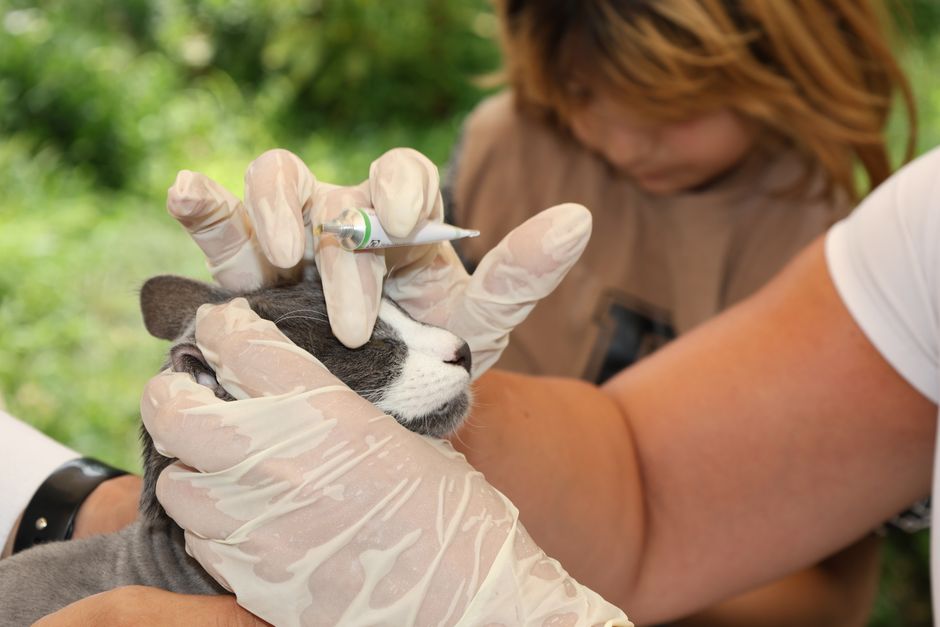
Treatment approaches depend on the underlying cause. For mild cases of irritation or conjunctivitis, topical eye drops or ointments may be prescribed to reduce inflammation and promote healing. Pets with corneal ulcers or injuries may require more advanced therapies, such as medical management or surgical intervention. Our clinic offers highly specialized procedures such as corneal repair and, when necessary, cataract removal with intraocular lens implantation. If dry eye is diagnosed, we provide tailored treatment plans to help restore tear production and protect the ocular surface. In all cases, our goal is to provide the most effective, least stressful care possible, using a Fear Free-based approach to ensure your pet’s comfort during every visit.
For owners whose pets have previously undergone eye surgery, it is vital to remain vigilant for signs of postoperative complications during the summer months. Our post-operative treatment and follow-up care for ophthalmic procedures ensures your pet’s recovery stays on track, even through changing seasonal conditions.
Practical Prevention Tips for Plano’s Summer
While not every eye problem can be prevented, there are several steps you can take at home to reduce your pet’s risk during the summer heat. Limiting outdoor time during the hottest parts of the day—typically from late morning to late afternoon—can help minimize exposure to direct sunlight and high temperatures. When your pet is outside, providing access to shaded areas and fresh water is crucial for overall health and eye comfort.
For pets with light-colored or prominent eyes, consider using a soft, vet-approved sun visor or pet sunglasses, especially during walks or outdoor activities. Regularly wiping your pet’s face with a damp, clean cloth can help remove dust, pollen, and other irritants that might accumulate around their eyes. Keep lawns and outdoor spaces free of debris that could scratch the eyes, and avoid using harsh chemicals near areas where your pet plays.
Inside the home, air conditioning and fans can help maintain a comfortable environment, but be mindful that some pets may develop dry eyes if exposed to constant airflow. Monitor your pet’s eyes for changes, and use any prescribed eye drops as directed, particularly for those with ongoing conditions like dry eye or allergies.
Special Care for Pets Recovering from Eye Surgery
If your pet has recently undergone an ophthalmic procedure, such as cataract surgery or corneal repair, it is important to follow all post-operative instructions closely. Protect your pet’s eyes from dust, pollen, and bright sunlight while they heal, and never skip prescribed medications or follow-up appointments. Our team provides comprehensive support and guidance to help you navigate the recovery process safely.
When to Seek Veterinary Eye Care During the Summer
Some eye symptoms require immediate attention by a veterinary ophthalmologist, regardless of the season. These include sudden onset of severe redness, persistent squinting or blinking, thick or colored discharge, visible cloudiness or a change in eye color, or any sign of vision loss. If your pet is bumping into objects, appears disoriented, or is showing signs of pain such as pawing at the face or crying out, these are urgent signals to seek help.
For example, if you notice your dog or cat squinting, blinking excessively, or showing signs of discomfort after being outdoors, this could indicate a corneal ulcer or trauma. You can find more information about dog squinting or blinking (corneal ulcers & trauma) and when to see a veterinarian on our website. Similarly, persistent redness or watering may point to an underlying disease requiring a specialized diagnosis.
Prompt, specialized care not only relieves your pet’s discomfort but also helps prevent permanent damage to their vision. In Plano and surrounding areas, Animal Eye Specialists is here to provide advanced, compassionate eye care when your pet needs it most.
Protecting Your Pet’s Vision All Summer Long
As we navigate the heat and brightness of a typical Plano summer, your vigilance can make all the difference in your pet’s eye health. Watch closely for signs of discomfort, provide shade and hydration, and limit sun exposure whenever possible. If your pet has a history of eye problems or you notice any worrisome symptoms, do not wait to reach out for expert guidance.
At Animal Eye Specialists, our board-certified veterinary ophthalmologist and experienced veterinary team are dedicated to supporting your pet’s vision and comfort, no matter the season. If you need a specialty eye vet near me, we invite you to schedule a consultation at our Plano clinic location. You can call us at (972) 845-9948 for more information or to book an appointment. For ongoing care after eye surgery or for complex conditions, explore our post-operative treatment and follow-up care resources to help your pet enjoy healthy, happy eyes all year round.
Remember, your attentiveness and partnership with a veterinary ophthalmologist are the best ways to ensure your pet’s vision thrives—through the summer and beyond. If you ever have questions or concerns about your pet’s eye health in Plano, don’t hesitate to reach out to our team for expert support and compassionate care.