Is Cataract Surgery for Pets Safe? What Pet Owners Should Know

Is Cataract Surgery for Pets Safe? What Pet Owners Should Know
Caring for a dog or cat with vision problems can be an emotional and sometimes overwhelming journey. If your pet has been diagnosed with cataracts, you may be worried about their quality of life, wondering if cataract surgery for pets is safe, and whether advanced veterinary eye care is the right step. At Animal Eye Specialists in Plano, TX, our board-certified veterinary ophthalmologist, Dr. Stephanie Beaumont, and our specialized team are dedicated exclusively to the eye health of dogs and cats. In this article, you will learn how we ensure safety and success during cataract surgery for pets, what the procedure involves, and why specialized eye care makes a difference for your companion’s vision and wellbeing. Whether you live in Plano or one of the surrounding communities, our team is here to answer your questions and help you feel confident about the best choices for your pet’s eye health.
Recognizing Cataracts in Dogs and Cats: When Should You Be Concerned?
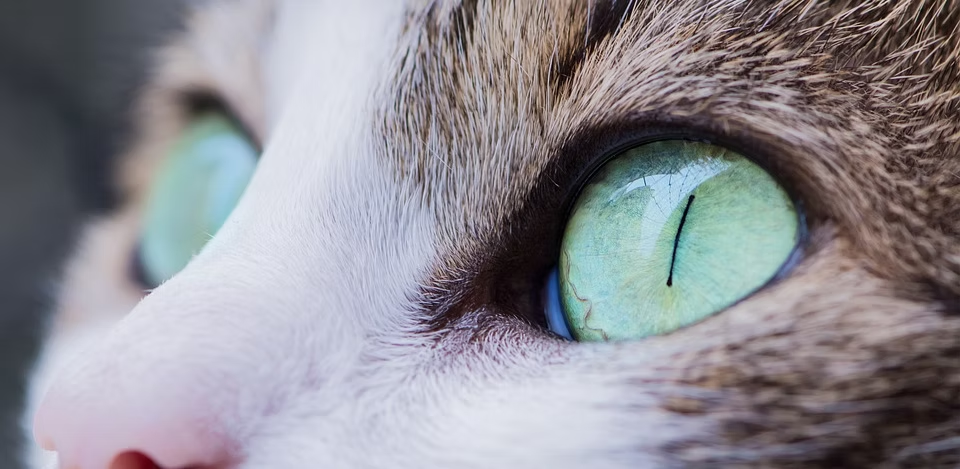
Understanding when your dog or cat might need cataract surgery starts with recognizing the signs that their vision is being affected. Cataracts are one of the most common causes of vision loss in pets, especially as they age, but they can also occur in younger animals due to genetics, injury, or underlying health problems. The most noticeable symptom is a cloudy or bluish-white appearance in the eye, often described as looking like a film or haze over the lens. Pets may begin bumping into furniture, hesitating in new environments, or showing signs of anxiety when lighting changes. Other indicators can include changes in pupil size, increased clumsiness, or reluctance to go outside at night.
If you notice your dog’s eyes becoming cloudy, or your cat suddenly appears unsettled or confused in familiar spaces, these may be early warning signs of cataracts or other serious eye problems. You can find more detailed information about cloudy eyes in dogs and cataracts as well as hazy or cloudy eyes in cats on our website. Early recognition allows you to seek professional evaluation before vision loss becomes irreversible.
What Causes Cataracts in Pets?
Cataracts develop when the normally clear lens inside the eye becomes opaque, blocking light from reaching the retina and leading to varying degrees of vision impairment. In dogs, the most common causes are inherited (genetic) factors, diabetes mellitus, aging, and occasionally trauma or inflammation. Certain breeds, such as Cocker Spaniels, Poodles, and Boston Terriers, are genetically predisposed, and cataracts may appear even at a young age. Diabetes-related cataracts can progress rapidly, sometimes within days or weeks of a diagnosis.
In cats, cataracts are less frequent but may arise due to chronic inflammation (uveitis), trauma, or underlying diseases. Unlike dogs, feline cataracts rarely result from inherited conditions. Regardless of species, the speed and severity of cataract progression can vary widely. Some pets maintain partial vision for months or years, while others can go blind quickly if the cataract advances or complications, such as lens-induced uveitis or glaucoma, develop.
Understanding Cataract Surgery for Pets: The Procedure and Safety Protocols
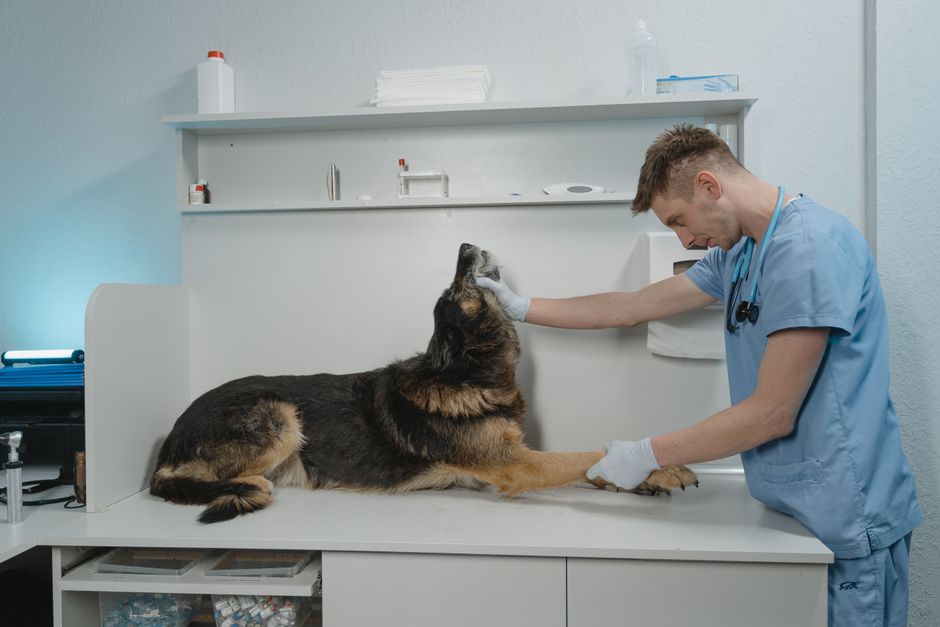
If your pet is diagnosed with a cataract that significantly impairs vision or quality of life, cataract surgery is often recommended. Many pet owners understandably feel anxious about anesthesia and surgery, especially when it comes to a beloved companion’s eyes. A central question is: Is cataract surgery for pets safe? With advances in veterinary ophthalmology and the expertise of a board-certified specialist, cataract surgery for pets is now a routine and highly successful procedure, particularly when performed in a dedicated, specialty setting like Animal Eye Specialists.
The Surgical Process and Safety Measures
Cataract removal in pets is most commonly performed using a technique called phacoemulsification, which is similar to the method used in human eye surgery. The procedure involves making a tiny incision in the eye, then using ultrasound technology to break up and remove the cloudy lens material. In most cases, an artificial intraocular lens (IOL) is implanted to restore focusing ability, greatly improving the pet’s vision.
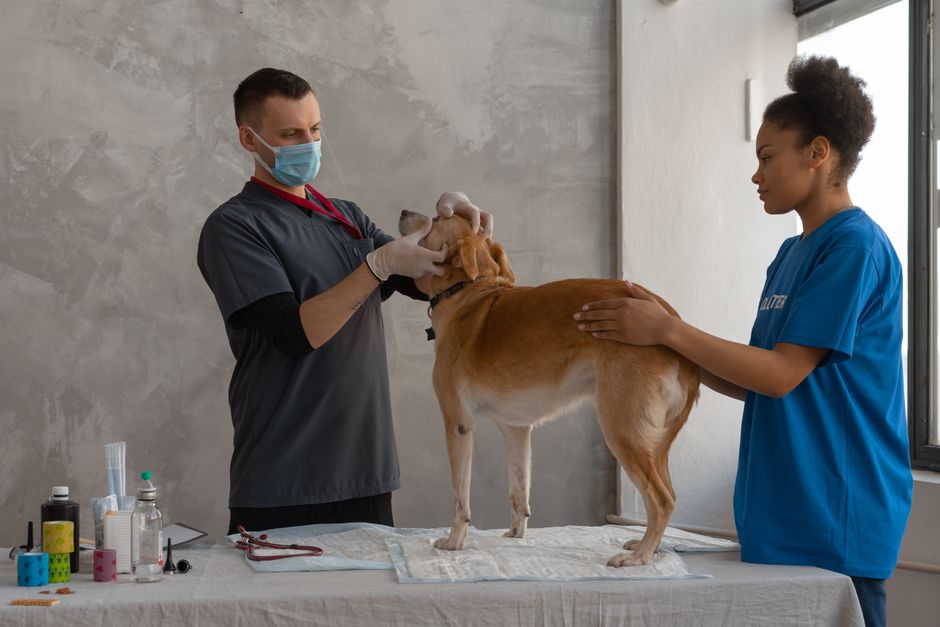
Safety is our highest priority. Before surgery, each patient undergoes a thorough preoperative evaluation, including bloodwork, ocular ultrasound, and electroretinography to assess retinal function. This ensures only pets with healthy eyes and good surgical candidates proceed with the operation. During the procedure, advanced anesthesia protocols, pain management, and sterile techniques are used to minimize risks. Our veterinary ophthalmologist performs every step of the surgery, supported by a team trained in specialty eye care and Fear Free handling to reduce stress for your pet.
For more details on the specifics of cataract surgery for pets at Animal Eye Specialists, we encourage you to explore our service information and cataract removal with intraocular lens implantation pages.
What to Expect During Recovery
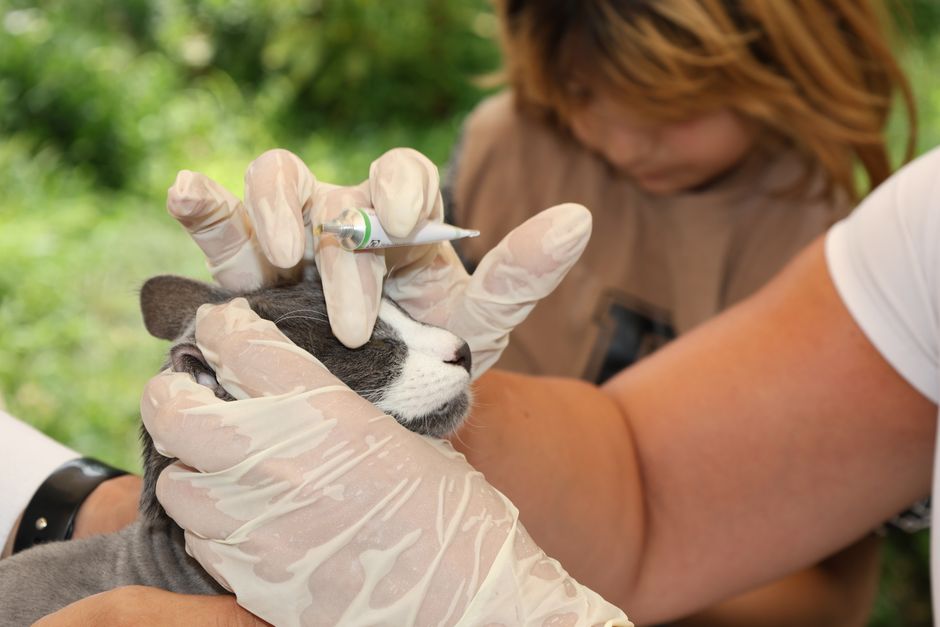
Recovery from cataract surgery typically involves several weeks of home care, including administering prescribed eye drops, monitoring for redness or discharge, and attending scheduled recheck appointments. Most pets adjust quickly to their improved vision and return to normal activities within days. Our team will provide detailed instructions and ongoing support to ensure a smooth recovery. Post-surgical complications are rare, but as with any procedure, risks can include inflammation, intraocular pressure changes, or lens implant issues. Prompt communication with your veterinary ophthalmologist allows for early intervention if any issues arise.
Home Care and Prevention: Supporting Your Pet’s Eye Health
While not all cataracts can be prevented, especially those caused by genetics or aging, there are steps you can take to protect your pet’s eye health and support healing after surgery. For dogs with diabetes, strict blood sugar control is essential to slow cataract formation. Keeping your pet up to date on routine veterinary exams, including eye checks, helps identify problems early. Protecting your dog or cat from eye injuries by supervising play and maintaining a safe environment also reduces risk.
After cataract surgery, following your veterinary ophthalmologist’s instructions for medication, activity restrictions, and recheck exams is critical. Signs of trouble after surgery include excessive squinting, redness, discharge, or apparent vision loss. If you notice any of these symptoms, contact your ophthalmology team immediately. For pets that are not candidates for surgery, medical management of chronic eye diseases can help maintain comfort and eye health. You can learn more about chronic ophthalmic diseases in pets and our management approaches on our website.
When Should You Seek Veterinary Eye Care?
If your dog or cat has cloudy eyes, sudden changes in vision, or other concerning signs, do not wait to seek evaluation. Early diagnosis and intervention are key to preserving vision and preventing complications. Cataract surgery for pets should only be performed by a board-certified veterinary ophthalmologist, as specialized training and equipment are required for the best outcomes. Your family veterinarian may refer you to a specialist, or you can reach out directly if you notice symptoms. If your pet has already been diagnosed with cataracts, prompt consultation helps determine whether surgery is appropriate and what steps are needed to optimize safety.
In some cases, sudden blindness or acute changes in eye appearance can indicate urgent conditions such as retinal disease or glaucoma. For more information, see our guides on sudden blindness in dogs and sudden blindness in cats. Always err on the side of caution and consult a veterinary professional if you are concerned about your pet’s eyes.
Why Specialized Eye Care Makes a Difference
Entrusting your pet’s vision to a specialty practice means you benefit from advanced diagnostics, surgical expertise, and a team dedicated exclusively to veterinary ophthalmology. At Animal Eye Specialists, your dog or cat receives a complete ophthalmic exam from a board-certified veterinary ophthalmologist at every visit. Our Fear Free approach minimizes anxiety and supports a smooth experience for both you and your pet. From initial diagnosis to surgery, post-operative care, and long-term management, our team is committed to providing the highest level of care for every patient.
If you are searching for a specialty eye vet near me, it’s important to choose a practice with proven experience, advanced technology, and genuine compassion for pets and their families. Animal Eye Specialists in Plano, TX welcomes referrals and direct appointments for all aspects of veterinary ophthalmology.
Take the Next Step: Contact Animal Eye Specialists for Cataract Surgery for Pets
If you are concerned about your pet’s vision or considering cataract surgery for pets, our veterinary ophthalmologist is here to help you navigate every step with confidence. We prioritize safety, compassion, and excellent outcomes for every patient. To schedule a consultation or learn more about our advanced surgical services, reach out to our team today at (972) 845-9948 or visit us at 1545 W Plano Pkwy, Plano, TX 75075. For additional information about veterinary cataract surgery or details on post-operative treatment for eye surgery in pets, our website offers helpful resources.
Choosing a specialty eye vet near me ensures your pet receives the highest standard of care, right here in Plano and the surrounding communities. Let our board-certified veterinary ophthalmologist and dedicated team support your pet’s vision and comfort at every stage.