Why Your Pet Needs a Veterinary Eye Specialist in Plano
Why Your Pet Needs a Veterinary Eye Specialist in Plano
If you’ve ever noticed your dog or cat squinting, pawing at their face, or suddenly bumping into furniture, you know how worrying eye problems in pets can be. Eye health is a critical part of your companion’s overall wellbeing, yet it often requires advanced knowledge and technology to diagnose and treat correctly. At Animal Eye Specialists, located right in the heart of 1545 W Plano Pkwy, Plano, TX 75075, our board-certified veterinary ophthalmologist provides dedicated, expert care for your pet’s eyes. We understand that when your dog or cat faces vision issues, you want answers you can trust and treatments that are both effective and compassionate.
In this blog, we’ll explore what makes specialized veterinary ophthalmology so important, how to recognize when your pet could benefit from a referral, and what to expect from a visit to a pet eye specialist in Plano. You’ll learn about common symptoms of eye disease, why advanced diagnostics and surgical capabilities matter, and how our personalized, stress-free approach helps protect your pet’s most precious sense. Whether you’re navigating a recent diagnosis or seeking the best proactive care for your dog or cat, Animal Eye Specialists is here to help you make informed choices for your companion’s vision and comfort.
Recognizing Signs Your Pet Needs an Eye Specialist
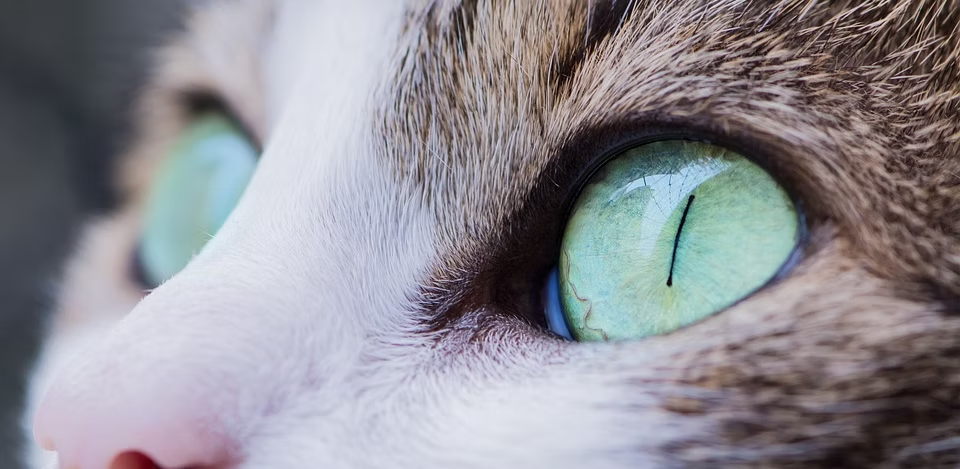
Many pet owners wonder how to tell the difference between a minor eye irritation and a more serious problem that requires specialty care. While some symptoms of eye disease may seem subtle at first, others can appear very suddenly and alarmingly. Key signs that suggest your dog or cat needs to see a veterinary eye specialist include persistent redness in one or both eyes, cloudiness or a bluish-white appearance to the eye surface, noticeable vision problems such as bumping into objects or reluctance to move in unfamiliar spaces, and excessive tearing, squinting, or light sensitivity. Additional warning signs are visible swelling around the eye, discharge that is yellow or green, the presence of a visible mass or growth, or a change in the shape or size of the pupil.
In dogs, symptoms like cloudy eyes may be linked to cataracts or degenerative diseases, while in cats, hazy or red eyes can signal conditions ranging from feline cataracts to uveitis. If you notice your pet’s eye suddenly becomes red, painful, or your pet is holding it closed, prompt evaluation is always best. For more detailed symptom guides, our resources on cloudy eyes in dogs and hazy eyes in cats can help you understand when to seek veterinary attention.
Why Eye Diseases Require Specialized Veterinary Care
Unlike many routine health issues, eye problems in pets often demand a level of expertise and technology beyond what general veterinary practices can provide. The eye is an incredibly complex organ, and many conditions—from hereditary cataracts to glaucoma and retinal diseases—require specialized diagnostics and advanced surgical techniques. Veterinary ophthalmologists such as Dr. Stephanie Beaumont at Animal Eye Specialists receive years of additional training, enabling them to evaluate and treat both common and rare eye conditions with precision.
Certain breeds are more prone to specific eye problems, such as Poodles and Cocker Spaniels developing cataracts, or Persian cats facing chronic corneal issues. Additionally, chronic diseases like diabetes can increase the risk for ocular complications in pets. Environmental factors, such as seasonal allergies or exposure to foreign bodies, can also play a role in triggering eye inflammation or infections. By focusing exclusively on eye health, our clinic is equipped to deliver nuanced diagnoses and targeted therapies that are not available in most general practice settings.
Advanced Diagnostics and Treatment Options at Animal Eye Specialists
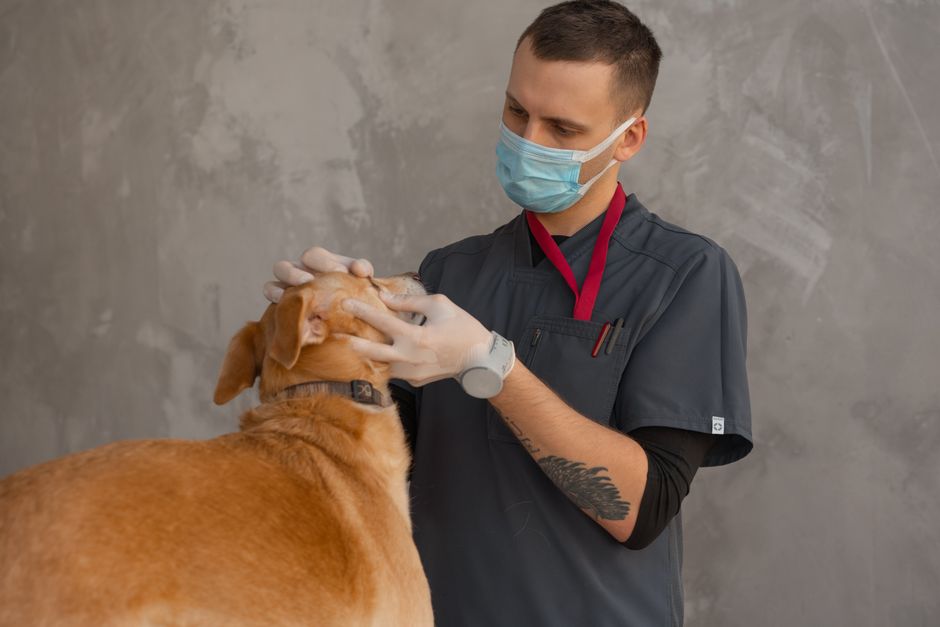
When your pet is referred to a veterinary ophthalmologist, you gain access to state-of-the-art diagnostics and a wide array of surgical and medical treatment options. At Animal Eye Specialists, every eye exam is performed by our board-certified veterinary ophthalmologist, using advanced tools like slit lamp examination, indirect ophthalmoscopy, tonometry to measure intraocular pressure, and ocular ultrasonography to visualize deeper structures of the eye. These techniques allow us to pinpoint the exact cause of your pet’s symptoms and tailor the most effective treatment plan.
Treatment approaches vary depending on the diagnosis. For cataracts, we offer cataract removal using phacoemulsification with intraocular lens implantation, restoring vision for many pets. Corneal ulcers or injuries may be managed with medical therapy or, when needed, surgical corneal repair. Chronic glaucoma often requires both medication and advanced procedures to relieve pressure and protect vision. Our clinic also provides care for eyelid abnormalities, ocular tumors, and complex retinal diseases, always prioritizing your pet’s comfort and long-term visual health.
If you’re interested in the complete range of services we offer, our comprehensive list of veterinary ophthalmology services for pets details everything from routine eye exams to post-operative follow-up care.
Supporting Your Pet’s Eye Health at Home
While some eye conditions are genetic or unavoidable, there are practical steps you can take to help safeguard your pet’s vision. Regularly check your pet’s eyes for changes in color, discharge, or shape, and pay attention to any signs of discomfort or vision loss. Keeping your pet’s face clean and free of hair that may irritate the eyes, especially in long-haired breeds, can reduce the risk of surface injuries or infections. For breeds at higher risk for eye problems, routine veterinary check-ups are especially important, and prompt attention to any changes can make a significant difference.
Avoid using over-the-counter eye drops or home remedies unless specifically recommended by a veterinary professional, as some substances can worsen certain eye conditions. Protecting your pet from potential eye injuries, such as avoiding exposure to thorny plants or rough play with other animals, is helpful as well. Ultimately, early detection and professional evaluation are your best tools for preventing long-term damage and preserving your pet’s quality of life.
When to Seek Specialized Veterinary Eye Care
If your dog or cat develops sudden eye pain, vision loss, or a visible injury, do not wait to seek professional help. Conditions such as acute glaucoma, retinal detachment, or severe corneal ulcers can progress rapidly and may threaten permanent vision loss if not addressed quickly. In cases of chronic or recurring eye issues, a referral to a veterinary ophthalmologist ensures that your pet receives the most accurate diagnosis and the latest treatment options.
You should also consider specialty care if your pet has been diagnosed with an eye disease that is not responding to standard treatments, if your primary veterinarian recommends advanced diagnostics, or if you simply want peace of mind about your companion’s vision. Our team at Animal Eye Specialists is dedicated to working closely with your regular veterinarian to provide seamless, collaborative care for your pet.
For more information on when to seek veterinary attention for specific symptoms, our educational resources on common eye diseases in pets can help guide your decision.
Choosing a Pet Eye Specialist in Plano: What to Expect
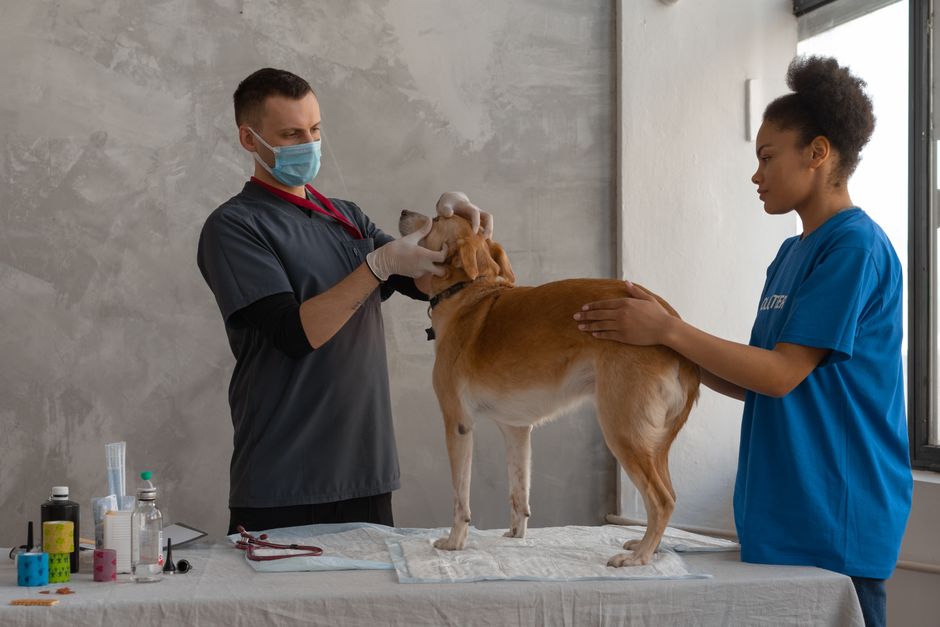
When you visit Animal Eye Specialists, you and your pet will be welcomed into a calm, Fear Free-informed environment designed to reduce anxiety and ensure a positive experience. Every evaluation begins with a thorough discussion of your concerns, a comprehensive eye exam performed by our board-certified veterinary ophthalmologist, and a clear explanation of the diagnosis and next steps. We believe in transparent, personalized care, so you’ll always know your options and what to expect throughout your pet’s treatment journey.
Our clinic serves Plano and surrounding communities, making specialized care accessible to families throughout the Dallas-Fort Worth area. We are committed to providing advanced eye care tailored to each pet’s unique needs, combining medical expertise with genuine compassion for both pets and their owners.
Take the Next Step for Your Pet’s Vision
Your pet’s eyesight is precious, and timely intervention by a veterinary eye specialist can make all the difference. If you have noticed changes in your dog or cat’s eyes, vision, or comfort, don’t wait to get answers. The team of board-certified veterinary ophthalmologists at Animal Eye Specialists is here to provide the expertise, advanced diagnostics, and surgical options your pet deserves. Whether you are seeking a second opinion, an advanced procedure, or simply reassurance about your companion’s vision, we encourage you to reach out for support.
When searching for a veterinary ophthalmology vet near me, remember that specialty care is just around the corner in Plano. To schedule a consultation or learn more about our services, contact us at (972) 845-9948 or visit our clinic at 1545 W Plano Pkwy, Plano, TX 75075. For detailed information about our approach to cataract surgery in pets or to explore the full spectrum of advanced ophthalmic care we offer, our website is an excellent resource.
Your pet’s comfort, vision, and happiness matter to us. Let Animal Eye Specialists partner with you for a lifetime of healthy eyes and joyful adventures.