Cataract Surgery for Pets: What to Expect in Plano
Cataract Surgery for Pets: What to Expect in Plano
If you have noticed your dog or cat is bumping into furniture, hesitating in familiar places, or their eyes appear cloudy, you are not alone. Many pet owners in Plano and the greater Dallas-Fort Worth area worry when their beloved companion’s vision begins to fade. Cataracts are a common cause of vision loss in pets, but thanks to advances in veterinary ophthalmology, cataract surgery for pets can offer hope for clearer sight and a brighter future. At Animal Eye Specialists, located in Plano, TX, our board-certified veterinary ophthalmologist, Dr. Stephanie Beaumont, leads a dedicated team focused solely on the eye health of dogs and cats. In this guide, we will walk you through the signs of cataracts in pets, why they develop, what the cataract surgery process involves, and how our team ensures your pet’s comfort and long-term vision. Whether you are considering cataract surgery for pets for the first time or seeking a referral from your family veterinarian, you will find the expert support you need right here in Plano.
Recognizing Cataracts in Pets: When Is It Time to Worry?
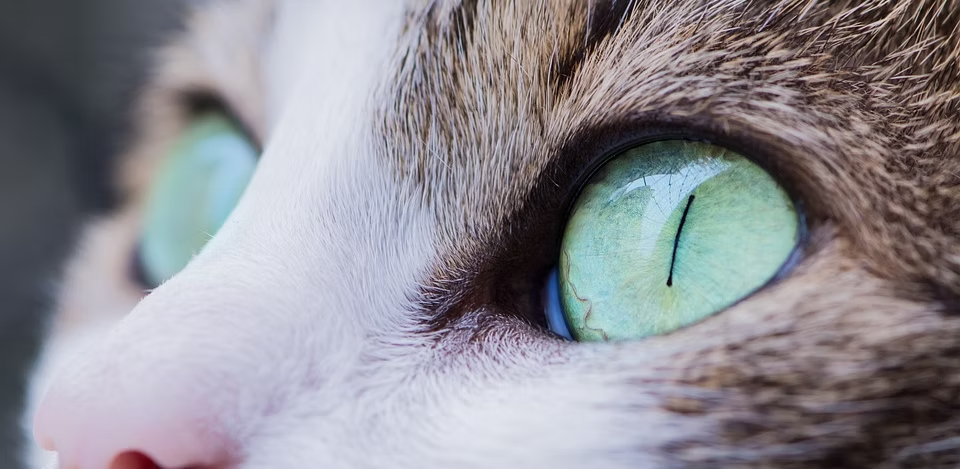
Many pet owners first notice something is wrong when their pet’s eyes begin to look hazy or cloudy, especially in certain lights. Cataracts in pets often start subtly. Key symptoms include a bluish, gray, or white change in the lens of the eye. Your dog or cat might start missing treats tossed their way, become reluctant to jump off furniture, or seem unsure in new surroundings. Additionally, some pets may develop increased clumsiness, hesitate at stairs, or appear startled more easily. In advanced cases, you might see your pet’s eyes reflecting light differently or notice them bumping into objects they previously navigated with ease.
It is important not to confuse cataracts with the normal age-related cloudiness known as nuclear sclerosis, which usually does not affect vision as significantly. Professional veterinary evaluation is crucial to distinguish between these conditions. If your pet displays any of these changes, especially if their quality of life is being impacted, scheduling a comprehensive eye exam with a veterinary ophthalmologist is the best next step.
Why Do Pets Get Cataracts? Understanding the Causes
Cataracts occur when the lens inside the eye becomes cloudy, blocking light from reaching the retina and leading to vision loss. In pets, the most common cause of cataracts is genetics, particularly in certain dog breeds such as poodles, cocker spaniels, schnauzers, and many retrievers. For cats, cataracts are less common but can still occur, often associated with underlying health issues.
Other causes of cataracts in pets include diabetes mellitus, trauma to the eye, nutritional imbalances during development, and age-related changes. In diabetic dogs, cataracts can develop very rapidly, sometimes within weeks of a diabetes diagnosis. Eye injuries or inflammation (uveitis) may also lead to cataract formation. Regardless of the cause, once a cataract forms and begins to impair vision, it will not resolve on its own.
While some pets adjust well to reduced vision, cataracts can sometimes lead to further complications such as lens-induced inflammation or even glaucoma. That is why a prompt, accurate diagnosis from a veterinary ophthalmologist is so important for your pet’s long-term eye health.
Cataract Surgery for Pets in Plano: What the Process Involves
If your pet has been diagnosed with a vision-impairing cataract, you may be wondering what comes next. Cataract surgery for pets is a highly specialized procedure performed by board-certified veterinary ophthalmologists like Dr. Stephanie Beaumont at Animal Eye Specialists. The goal is to restore vision by removing the cloudy lens and, in most cases, replacing it with an artificial intraocular lens.
The Pre-Surgical Evaluation
Before cataract surgery can be considered, our veterinary team will conduct a thorough ophthalmic examination. This includes evaluating the retina and optic nerve using advanced diagnostic tools such as ocular ultrasound and electroretinography. These tests ensure that your pet’s eye is healthy enough for surgery and that vision can be restored. We also review your pet’s overall health, bloodwork, and any underlying medical conditions, such as diabetes, that might affect anesthesia or healing.
The Surgical Procedure
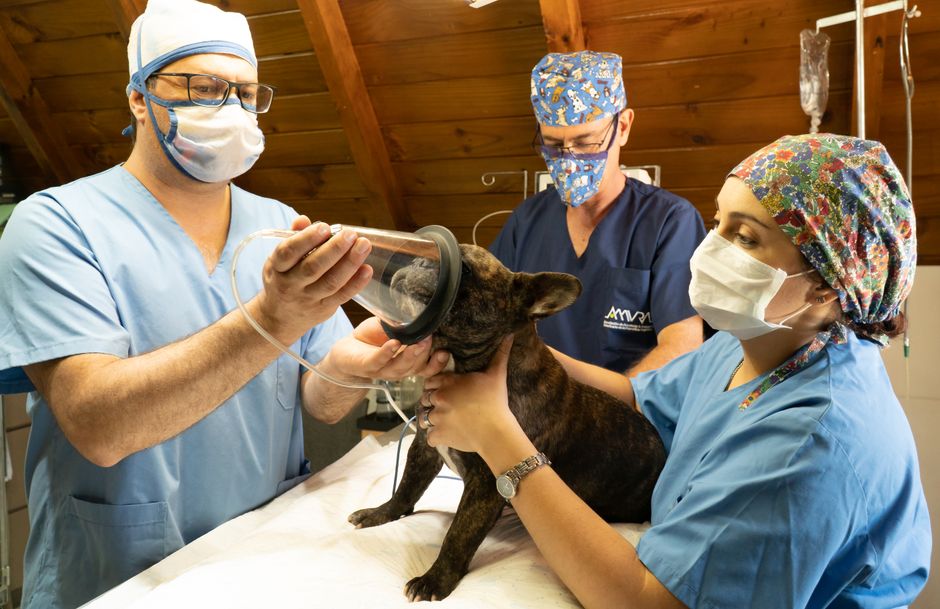
The most advanced and commonly used technique for cataract removal in pets is called phacoemulsification. During this microsurgical procedure, a tiny incision is made in the eye, and ultrasonic energy is used to break up and remove the cloudy lens material. An artificial intraocular lens is then implanted to focus light properly and restore your pet’s vision. The entire process is performed under general anesthesia, and throughout the procedure, your pet’s comfort and safety are our top priorities.
You can read more about the specifics of cataract removal using phacoemulsification with intraocular lens implantation on our website.
Recovery and Follow-Up Care
Following surgery, your pet will need to recover in a calm environment with close monitoring. Most pets go home the same day, and vision improvement can be seen as early as the next day. Post-operative care involves administering medicated eye drops, keeping your pet from rubbing or scratching at their eyes, and returning for several follow-up visits to monitor healing and prevent complications. Our veterinary ophthalmology team will guide you every step of the way, answering questions and providing detailed instructions for home care.
You can find more details on post-surgical support and what to expect during recovery on our post-operative treatment page.
Home Care and Steps to Support Your Pet’s Vision
While cataracts themselves cannot be reversed at home, there are actions you can take to support your pet’s eye health and comfort. Managing underlying health conditions, such as keeping diabetes well-controlled, can slow the progression of cataracts and help prevent additional complications. Regular veterinary check-ups, including routine eye examinations, play a vital role in the early detection of eye problems before they impact your pet’s vision.
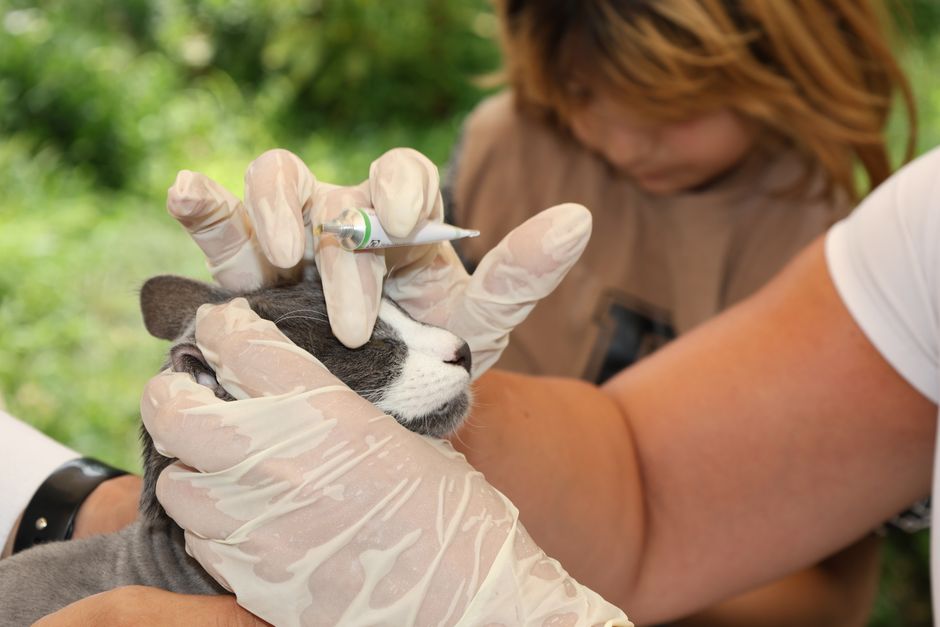
After cataract surgery, your care at home will be essential for a successful outcome. This includes administering prescribed eye drops exactly as directed, using an Elizabethan collar if recommended to prevent eye trauma, and minimizing your pet’s activity level during the healing period. Watch for any signs of redness, discharge, squinting, or changes in your pet’s behavior, and contact our clinic promptly if you notice anything concerning.
If your pet is not a candidate for surgery or is already blind from cataracts, there are many ways to help them adapt. Keeping the home environment consistent, avoiding rearranging furniture, and using textured mats or runners can help your pet navigate more confidently. For additional resources and support, you can visit our blind pet support page.
When Should You Seek Veterinary Eye Care?
If you notice any changes in your pet’s eyes or vision, such as cloudiness, reluctance to move in dim light, or bumping into objects, prompt evaluation by a veterinary ophthalmologist is advised. Early intervention can prevent complications and maximize the chance for successful cataract surgery. Additionally, if your pet is diagnosed with diabetes or has suffered an eye injury, regular eye exams are especially important.
Certain signs require immediate attention, including sudden vision loss, severe redness or pain, excessive tearing, or visible swelling of the eye. In these cases, do not wait; seek veterinary care as soon as possible to protect your pet’s sight and comfort.
Cataract surgery for pets is not performed at general veterinary clinics; it requires specialized training and equipment. Your family veterinarian may refer you to a board-certified veterinary ophthalmologist like Dr. Beaumont at Animal Eye Specialists for advanced diagnostics and surgical intervention. If you are searching for a reputable ophthalmology vet near me, our team is here to guide you through every step.
The Animal Eye Specialists Difference: Compassionate, Personalized Eye Care for Your Pet
Choosing cataract surgery for pets is a significant decision, and you want to know your companion is in the very best hands. At Animal Eye Specialists in Plano, TX, our entire philosophy centers on providing expert, compassionate care in a stress-free environment. Every patient receives a complete evaluation and treatment plan from a board-certified veterinary ophthalmologist, not just a technician or general practitioner.
We understand how much your pet means to you, and our veterinary ophthalmology team is always available to answer your questions, explain each stage of the process, and ensure your pet’s comfort before, during, and after surgery. Our clinic serves Plano and surrounding communities, welcoming referrals from family veterinarians and direct inquiries from pet owners alike.
If you are considering cataract surgery for pets or want guidance on your dog or cat’s eye health, we invite you to contact Animal Eye Specialists today. Our team is committed to restoring your pet’s vision and quality of life with the latest in veterinary ophthalmology.
To schedule a consultation or learn more, call (972) 845-9948 or visit us at 1545 W Plano Pkwy, Plano, TX 75075. For additional information on what to expect, explore our detailed page about cataract surgery for pets. When you are searching for a specialty ophthalmology vet near me, trust Animal Eye Specialists to deliver the advanced, compassionate eye care your pet deserves.