Cataract Surgery for Pets: Recovery, Results, and FAQs Answered

Cataract Surgery for Pets: Recovery, Results, and FAQs Answered
Cataract surgery for pets can feel overwhelming for many dog and cat owners, especially when it comes to understanding the recovery process and what to expect after the procedure. At Animal Eye Specialists in Plano, TX, our board-certified veterinary ophthalmology team is committed to guiding you and your pet through every stage of this journey with expertise and compassion. Whether your veterinarian has referred your pet for advanced ophthalmic care or you are seeking answers about your pet’s vision challenges, we know how important clear, trustworthy information is for making the best decisions for your family. In this blog, you’ll discover what recovery from cataract surgery for pets looks like, typical healing timelines, how our veterinary specialists support your pet’s comfort and vision, and answers to some of the most common questions we hear from pet owners in Plano and surrounding communities. If you want to dive deeper into the procedure itself, you can learn more about cataract surgery for pets on our website.
How to Recognize Cataracts and When to Consider Surgery
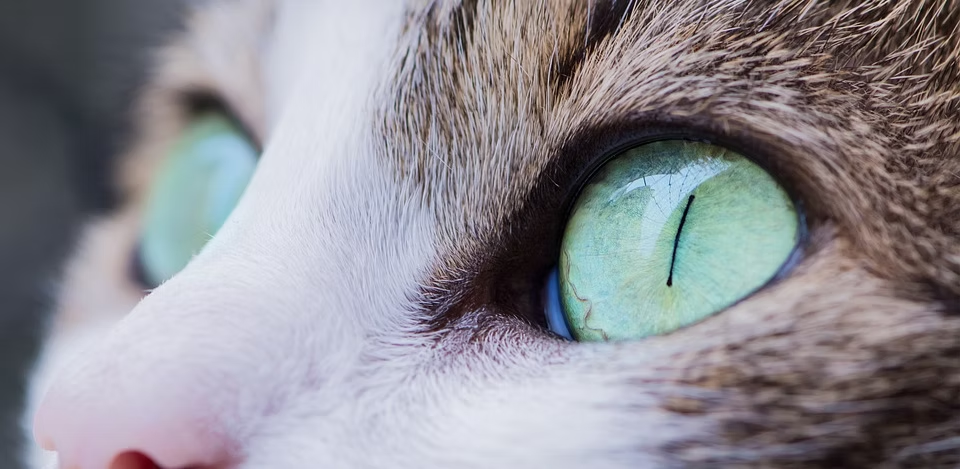
Cataracts are a common cause of vision loss in dogs and, less frequently, in cats. The condition occurs when the normally clear lens of the eye becomes cloudy, blocking light and impairing vision. Pet owners often first notice that their dog’s or cat’s eyes appear cloudy or bluish; this can be especially obvious when light hits the eyes at a certain angle. Other signs that may suggest your pet is developing cataracts include bumping into furniture, hesitancy on stairs, difficulty navigating familiar spaces, or a sudden reluctance to go outside at night. These changes may appear gradually, and some pets adapt remarkably well by relying on their other senses. However, if you observe any of these signs, it is important to schedule a complete ophthalmic exam to determine if cataracts or another eye condition is affecting your pet’s vision.
Our team at Animal Eye Specialists provides thorough diagnostic evaluations, including complete ophthalmic exams, to determine the cause and extent of vision loss. Not all cataracts require surgery, but when vision is significantly impaired or if cataracts are causing discomfort, surgery may be the recommended option to restore your pet’s quality of life.
Why Do Pets Develop Cataracts?
Understanding the causes of cataracts can help pet owners recognize risk factors and seek timely care. In dogs, genetics is a frequent contributor, with certain breeds such as Poodles, Cocker Spaniels, and Bichon Frises more prone to the condition. Diabetes is another significant risk factor; up to 75% of diabetic dogs may develop cataracts within a year of diagnosis. Eye injuries, inflammatory conditions, aging, and nutritional deficiencies can also play a role. In cats, cataracts are less common and often linked to chronic inflammation or trauma rather than heredity.
Cataracts can develop at any age, but they are most frequently seen in middle-aged to senior pets. Because some of the early changes in the lens may not be obvious to owners, regular veterinary check-ups can be invaluable for early detection, especially for pets with known risk factors.
What to Expect: Cataract Surgery for Pets and The Recovery Journey
The Cataract Surgery Process
Cataract surgery for pets is a highly specialized procedure performed by veterinary ophthalmologists. At Animal Eye Specialists, our team uses advanced techniques such as phacoemulsification—a process that uses ultrasound energy to break up and remove the cloudy lens. In most cases, we will place an artificial intraocular lens (IOL) to restore focusing ability and maximize your pet’s vision.
The procedure is conducted under general anesthesia, with extensive pre-surgical testing to ensure your pet is a good candidate. This includes ocular ultrasound, electroretinography (to assess retinal function), and a thorough physical exam. On the day of surgery, your pet will receive gentle care in a calm, Fear Free environment designed to minimize stress.
Immediate Post-Surgical Care
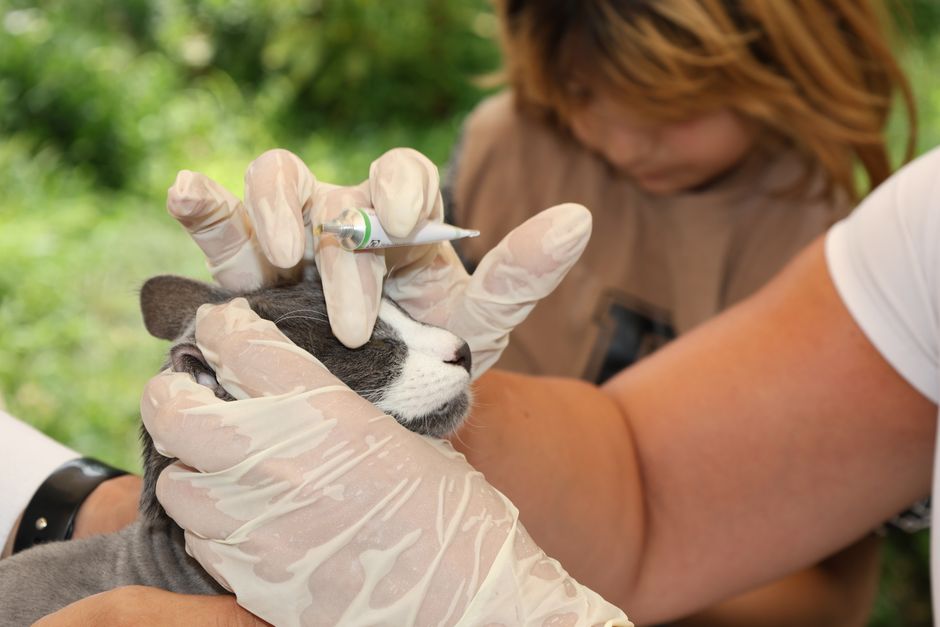
After surgery, your pet will be closely monitored as they recover from anesthesia. Most pets go home the same day, although some may require an overnight stay for additional observation based on their individual needs. You can expect temporary redness, mild swelling, and tearing as normal responses to surgery. Your veterinary ophthalmologist will prescribe eye drops or medications to prevent infection, control inflammation, and reduce pain. It is important to administer these medications exactly as directed and to maintain all follow-up appointments for optimal recovery.
Pets typically wear a protective e-collar to prevent rubbing or scratching at their eyes. Restricting activity is essential during the initial recovery period to avoid trauma to the surgical site. Our post-operative treatment protocols are designed to support healing and ensure the best possible visual outcome.
The Healing Timeline
Most pets begin to show noticeable improvement in vision within the first few days after surgery. However, full recovery can take several weeks. The initial two-week period is critical, as this is when the eye is most vulnerable to complications. Your pet will have scheduled recheck appointments to monitor healing, adjust medications, and address any concerns that arise.
Throughout recovery, our veterinary ophthalmology team will guide you on what to watch for and how to care for your pet at home. Observing your pet’s comfort, appetite, and activity level can provide important clues about their healing progress. If you have questions at any stage, our team is always available to assist.
Home Care and Supporting Your Pet After Cataract Surgery
Your role as a pet owner is vital to your pet’s successful recovery from cataract surgery. Home care steps include administering prescribed medications on schedule, preventing your pet from rubbing their eyes, and following all activity restrictions recommended by your veterinary ophthalmologist. Keeping your pet calm and comfortable, using positive routines, and avoiding situations that might excite or stress your pet can all help speed healing.
It is also helpful to keep the environment familiar and free from obstacles during recovery, as vision may fluctuate in the days after surgery. Gradually reintroduce normal activities as advised by your veterinary team. Some owners find that using baby gates to restrict access to stairs or using soft bedding can offer added safety and comfort during the healing process.
For pet owners seeking support, our team can provide guidance and resources, including referral to local services or resources for pet owners on animal eye health.
When to Seek Veterinary Attention: Recognizing Complications
While cataract surgery for pets is generally safe and highly effective, complications can occasionally occur. Call your veterinary ophthalmologist promptly if you notice symptoms such as excessive redness or swelling, persistent discharge, squinting, pawing at the eye, loss of appetite, lethargy, or any change in vision after surgery. Early intervention is key to preventing serious issues and optimizing outcomes.
If you are unsure whether a symptom is concerning, don’t hesitate to reach out. Our team at Animal Eye Specialists is always ready to answer your questions or see your pet for an urgent evaluation if needed.
Frequently Asked Questions About Cataract Surgery for Pets
Will my pet regain full vision after cataract surgery?
Many dogs experience a dramatic improvement in vision following cataract surgery, often returning to their previous activities and quality of life. Some pets may not regain perfect vision but will have significant functional improvement. Cats typically tolerate vision changes well, but surgery in cats is less common and outcomes may vary. It is important to have realistic expectations and to discuss your pet’s specific prognosis with your veterinary ophthalmologist.
Is cataract surgery painful for pets?
Cataract surgery is performed under anesthesia, so your pet will not feel pain during the procedure. After surgery, we use pain management protocols and anti-inflammatory medications to keep your pet comfortable. Most pets recover quickly and are back to their routine within a few days.
How long does the recovery process take?
Initial healing takes about two weeks, with vision improvement often seen within days. Full recovery, including stabilization of vision and discontinuation of medications, can take up to several months depending on the individual pet and any underlying health conditions.
Can cataracts return after surgery?
Once the cataract (cloudy lens) is removed, it does not return. However, in some cases, a thin membrane behind the lens capsule can become cloudy over time. This is called posterior capsular opacification and can often be managed with additional treatment if needed.
For more answers to common questions, please visit our Frequently Asked Questions for pet eye care and surgery page.
Why Choose a Board-Certified Veterinary Ophthalmologist?
Cataract surgery for pets requires specialized training, advanced equipment, and years of experience. At Animal Eye Specialists, your pet’s eye exam, surgery, and follow-up care are always performed by a board-certified veterinary ophthalmologist. This ensures that every detail of your pet’s eye health is managed with the highest level of expertise and compassion. Our personalized approach means that we work closely with you and your family veterinarian to create the best plan for your pet’s unique needs.
Take the Next Step: Restoring Your Pet’s Vision in Plano, TX
Cataract surgery for pets can be life-changing, allowing dogs and cats in Plano and surrounding communities to return to the activities they love with improved vision and comfort. If you notice any changes in your pet’s eyes or vision, or if you have questions about recovery after cataract surgery, our veterinary ophthalmology team is here to help. When searching for a specialty vet near me, look for a board-certified team dedicated exclusively to pet eye care.
To schedule a consultation or learn more about the cataract surgery process, contact Animal Eye Specialists at (972) 845-9948 or visit us at 1545 W Plano Pkwy, Plano, TX 75075. You can also explore detailed information about cataract removal with intraocular lens implantation or read our Animal Eye Specialists Blog for more pet eye health topics. Our commitment is to support you and your pet with advanced care, clear guidance, and genuine compassion every step of the way.
Disclaimer: The information in this blog is intended for educational purposes only and is not a substitute for professional veterinary advice. Always consult your veterinary ophthalmologist for an accurate diagnosis and treatment plan tailored to your pet’s specific needs.