Why Your Pet’s Eyes Are Red: Causes and When to See a Specialist
Why Your Pet’s Eyes Are Red: Causes and When to See a Specialist
When your dog or cat suddenly develops red, irritated eyes, it can be alarming and leave you wondering whether your companion is experiencing something minor or a more serious eye condition. Redness can appear seemingly overnight, or you might notice your pet rubbing their face, squinting, or showing signs of discomfort. At Animal Eye Specialists in Plano, TX, we understand how concerning these symptoms can be for pet owners throughout Plano and surrounding communities. Our team, led by Dr. Stephanie Beaumont, DACVO, is dedicated exclusively to veterinary ophthalmology, providing expert diagnosis and advanced treatment for eye problems in dogs and cats.
In this guide, we will help you recognize when red eyes mean a simple issue versus when it’s time to seek the expertise of a board-certified veterinary ophthalmologist. You’ll learn the most common causes of eye redness in pets, what symptoms require urgent attention, and what specialized treatments we offer to help protect your pet’s vision and comfort.
Recognizing Red Eyes in Pets: What Should You Look For?
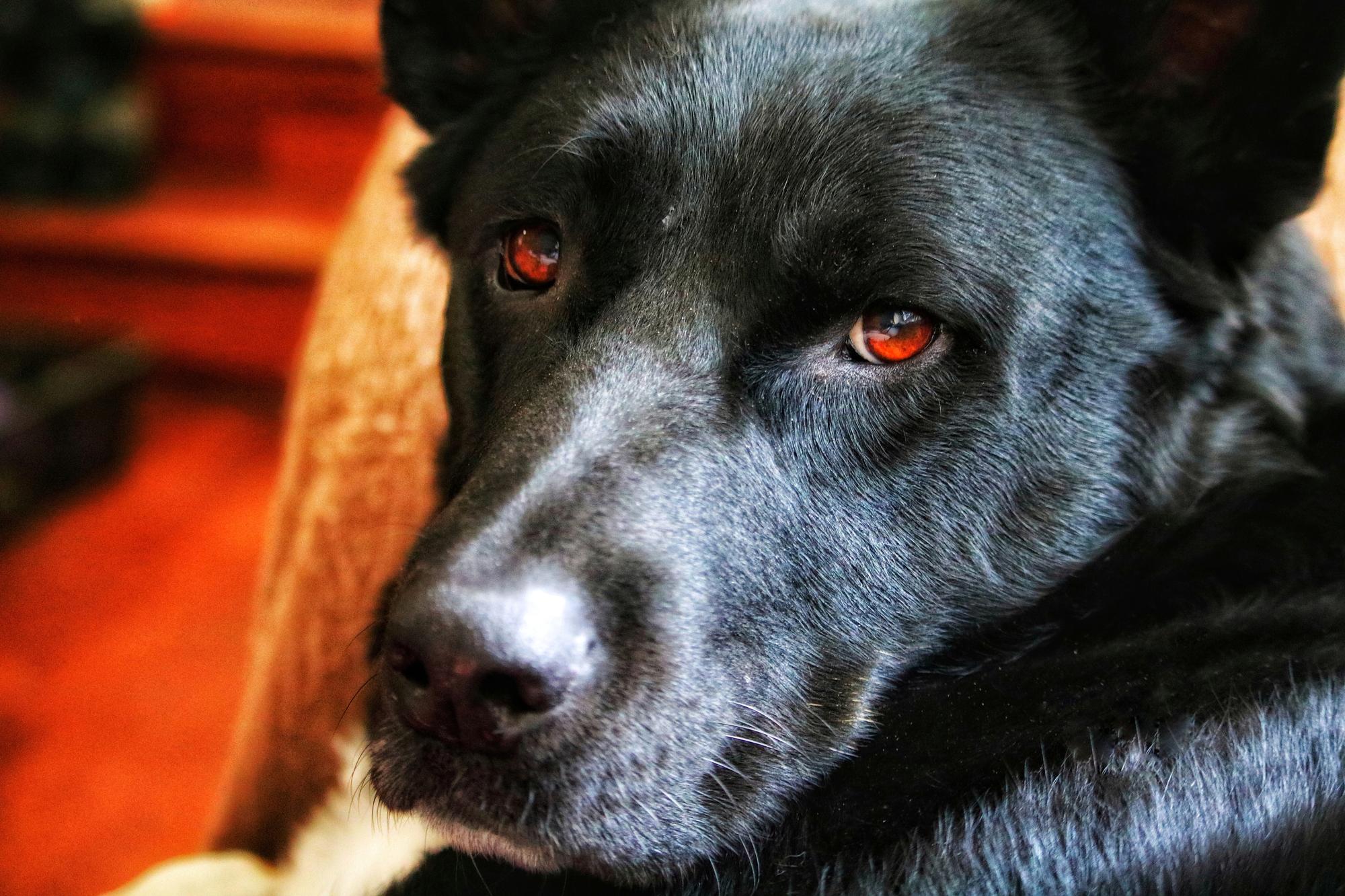
Redness is one of the most noticeable signs that something may be wrong with your pet’s eyes. While some causes are mild and resolve quickly, others can threaten vision or cause significant pain if not addressed promptly. Key symptoms to watch for include a pink or bloodshot appearance of the whites of the eyes (sclera), visible blood vessels, or a red, swollen look around the eyelids. Additionally, your dog or cat may squint, paw at their face, blink excessively, or seem more sensitive to light. Other concerning signs are increased tear production, thick or colored discharge, cloudiness of the eye, or swelling of the third eyelid.
Some pets may also display changes in behavior, such as reluctance to play or decreased appetite, especially if the discomfort is significant. Red eyes can be accompanied by vision changes, which may show up as bumping into furniture, hesitation on stairs, or difficulty finding toys or treats. Noticing these changes early gives your pet the best chance for a full recovery, especially when specialty care is required.
What Causes Red Eyes in Dogs and Cats?
Red eyes in pets can stem from a variety of causes, ranging from mild allergies to more complex eye diseases. Understanding the potential reasons can help you assess whether your pet needs immediate attention from a generalist or referral to a veterinary ophthalmologist.
Allergies and Environmental Irritants
In Plano and the DFW area, spring brings a surge in pollen and environmental allergens that can lead to conjunctivitis, or inflammation of the tissues lining the eye. Pets may react to dust, pollen, smoke, or household cleaning products. Symptoms include mild redness, watery eyes, and occasional rubbing. While allergies are a common cause, ongoing or worsening symptoms may point to a more serious underlying issue.
Infectious Causes: Bacterial and Viral Conjunctivitis
Bacterial or viral infections can cause significant redness and discharge in your pet’s eyes. Cats are particularly prone to viral conjunctivitis, often associated with upper respiratory infections. Signs may include green or yellow discharge, swelling of the eyelids, and general lethargy. Left untreated, infections can damage delicate eye tissues or spread to other parts of the body.
Dry Eye (Keratoconjunctivitis Sicca)
Dry eye occurs when your pet’s tear glands do not produce enough tears to keep the eye moist and healthy. This condition causes chronic redness, thick discharge, and a dull appearance of the cornea. Dogs are more commonly affected, and if not addressed, dry eye can lead to painful ulcers or long-term vision loss. Specialized testing, such as Schirmer tear testing, helps us diagnose and manage this condition effectively.
Corneal Ulcers and Injuries
Injuries to the cornea, the clear surface of the eye, can result in pronounced redness, squinting, and pain. Causes include scratches from rough play, contact with plants, or even a foreign body trapped under the eyelid. Corneal ulcers are a veterinary emergency, as they can worsen rapidly and may lead to permanent damage if not treated promptly. Our team offers corneal repair procedures for pet eye injuries and advanced diagnostics to assess the extent of the injury.
Glaucoma and Increased Intraocular Pressure
Glaucoma is a serious condition where pressure inside the eye rises to dangerous levels, causing red, painful eyes and potential vision loss. Symptoms to watch for include a cloudy or bluish tint to the eye, an enlarged eyeball, or sudden loss of sight. Early detection with tonometry (intraocular pressure testing) is critical for preserving your pet’s vision.
Uveitis and Immune-Mediated Diseases
Uveitis is inflammation inside the eye that can result from infections, immune-mediated disorders, or even cancers. This condition often presents with severe redness, light sensitivity, and a noticeable change in pupil size or shape. Uveitis requires specialized diagnosis and management to prevent complications such as cataracts or glaucoma.
Eyelid and Eyelash Disorders
Sometimes, red eyes are caused by abnormalities of the eyelids or eyelashes. Conditions like entropion (inward rolling of the eyelid) or distichia (abnormal lashes growing toward the eye) can cause irritation, redness, and chronic tearing. Surgical correction may be recommended in some cases, and our clinic provides comprehensive care for such eyelid issues.
More Complex Eye Diseases
Redness may also be a sign of more complex or chronic eye diseases, including tumors, chronic inflammation, or congenital problems. If your general veterinarian suspects a complicated condition, referral to a board-certified veterinary ophthalmologist ensures your pet receives the most advanced care available. For more information on a range of eye diseases, visit our page on common eye diseases in pets.
How Are Red Eyes Diagnosed and Treated in a Specialty Ophthalmology Clinic?
When you bring your dog or cat to Animal Eye Specialists, our approach centers on a thorough, specialized evaluation by a board-certified veterinary ophthalmologist. Every new patient receives a complete eye examination using advanced techniques, including direct and indirect ophthalmoscopy and slit lamp examination, allowing us to visualize both the surface and deeper structures of the eye.
Diagnostic Process
The diagnostic process involves several steps tailored to each pet’s unique case. Initially, we assess your pet’s vision, response to light, and overall comfort. Additional tests might include tear production measurement, fluorescein staining to detect corneal ulcers, intraocular pressure measurement for glaucoma, and ocular ultrasonography if deeper structures need evaluation. These tools help us pinpoint the exact cause of your pet’s red eyes and rule out more serious underlying conditions.
Treatment Options
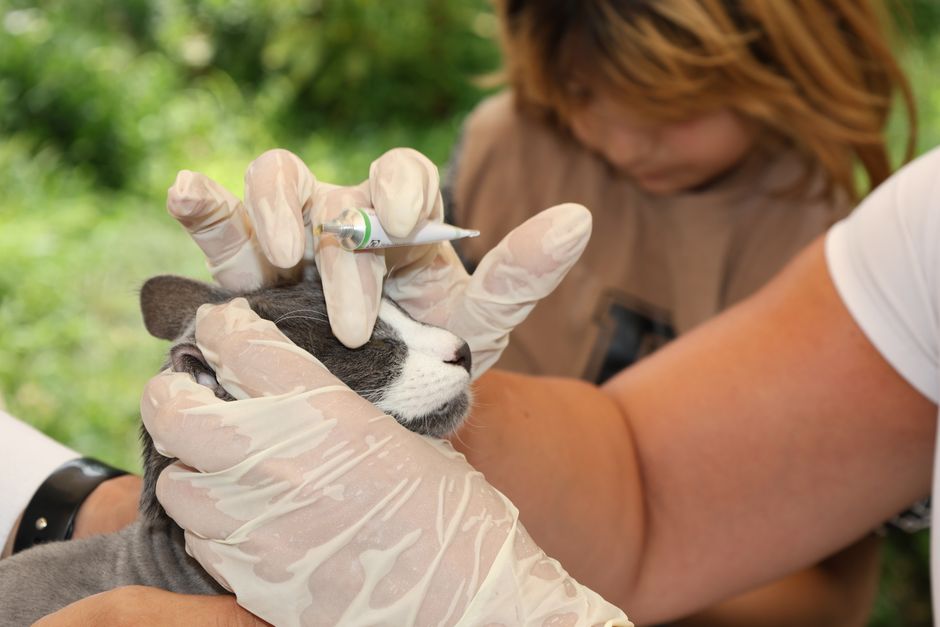
Treatment is highly individualized, depending on the diagnosis. Management approaches may involve prescription eye drops or ointments to reduce inflammation, control infection, or increase tear production. For more severe cases such as corneal ulcers, surgical repair or advanced procedures may be required. Our clinic is equipped to perform complex procedures like corneal repair, eyelid reconstruction, and, when necessary, more extensive surgeries for chronic or degenerative conditions.
In cases of glaucoma or severe uveitis, rapid intervention is essential to relieve pain and preserve vision. Our board-certified team has extensive experience with advanced medical and surgical treatments, ensuring the best possible outcome for your pet. Aftercare and follow-up are integral, with comprehensive rechecks to monitor healing and adjust treatment as needed.
When Specialist Care Is Essential
Cases that do not improve with standard therapy, show persistent or worsening symptoms, or involve vision loss should always be evaluated by a veterinary ophthalmologist. Primary care veterinarians often refer patients with chronic eye issues, sudden vision changes, or complex conditions to our clinic for advanced diagnostics and management.
Home Care and Prevention: Protecting Your Pet’s Eyes
While not all cases of red eyes can be prevented, there are proactive steps you can take at home to support your pet’s eye health. Keep your home environment clean and minimize exposure to dust, smoke, or harsh cleaning agents. During high pollen seasons in Plano, consider wiping your pet’s face gently with a damp cloth after outdoor time to remove allergens. Monitor your dog or cat’s eyes daily for changes in redness, discharge, or swelling, especially if they have a history of eye problems.
Avoid allowing pets to hang their heads out of car windows, as this increases the risk of foreign bodies or injuries to the eyes. If you use grooming products, select those formulated for pets and avoid the eye area. For breeds predisposed to eye issues, such as brachycephalic dogs or certain long-haired cats, regular veterinary checkups are important for early detection of potential problems.
Never attempt to medicate your pet’s eyes with over-the-counter drops unless directed by a veterinarian, as improper use may worsen the condition. When in doubt, err on the side of caution and seek professional advice.
When Should You See a Veterinary Ophthalmologist?
It can be challenging to determine when red eyes are an emergency versus when you can monitor at home. You should always seek prompt veterinary attention if your pet displays severe pain (crying, hiding, or aggression when touched near the face), sudden vision loss, a dramatically swollen or cloudy eye, or a wound involving the eye. Additionally, persistent redness that lasts more than a day or two, thick yellow or green discharge, or any change in pupil size or shape warrants an immediate visit to your veterinarian.
If your primary care veterinarian feels your pet’s condition is complex, not improving, or potentially vision-threatening, a referral to Animal Eye Specialists in Plano, TX can ensure your pet receives the advanced diagnostics and treatments needed. Our clinic is equipped to handle a wide range of ocular emergencies and chronic eye diseases, providing the highest standard of specialty care for pets in Plano and the DFW area.
Compassionate Specialty Eye Care for Pets in Plano and Surrounding Communities
Red eyes in dogs and cats are not just a cosmetic concern; they can signal a wide range of underlying issues, from allergies and minor irritations to vision-threatening diseases. Timely recognition, accurate diagnosis, and specialty treatment are essential to protecting your pet’s sight and comfort. At Animal Eye Specialists, our board-certified veterinary ophthalmologist and experienced team are committed to providing expert, compassionate care tailored to your pet’s needs.
If you notice persistent redness, squinting, or other changes in your pet’s eyes, don’t wait for the problem to worsen. Contact Animal Eye Specialists at (972) 845-9948 to schedule an appointment today. Our clinic in Plano, TX serves Plano and surrounding communities, providing advanced eye care for dogs and cats. For pet owners searching for a specialty vet near me, our team is here to support you with the most advanced diagnostics and treatments available.
To learn more about specific eye diseases and our full range of services, you can visit our detailed page on common eye diseases in pets or explore our specialized corneal repair procedures for pet eye injuries. Trust Animal Eye Specialists to help protect your pet’s vision and quality of life—because healthy eyes mean a happier pet.