Horner's Syndrome in Cats: Causes, Symptoms, and Treatment

Horner's Syndrome in Cats: Causes, Symptoms, and Treatment
If you have noticed changes in your cat’s eyes such as drooping eyelids or a sunken appearance, you might be concerned about what these signs could mean for your pet’s health and comfort. Horner’s Syndrome in cats can be unsettling for any pet owner, especially when these changes seem to appear suddenly. At Animal Eye Specialists, our board-certified veterinary ophthalmologist in Plano, TX is dedicated exclusively to eye care for pets across Plano and surrounding communities. In this guide, you’ll learn what horner’s syndrome cat means, how to spot the signs early, what causes this condition, and how specialized veterinary ophthalmology care can make all the difference for your cat’s vision and well-being.
Recognizing Horner’s Syndrome in Cats: What Pet Owners Need to Know
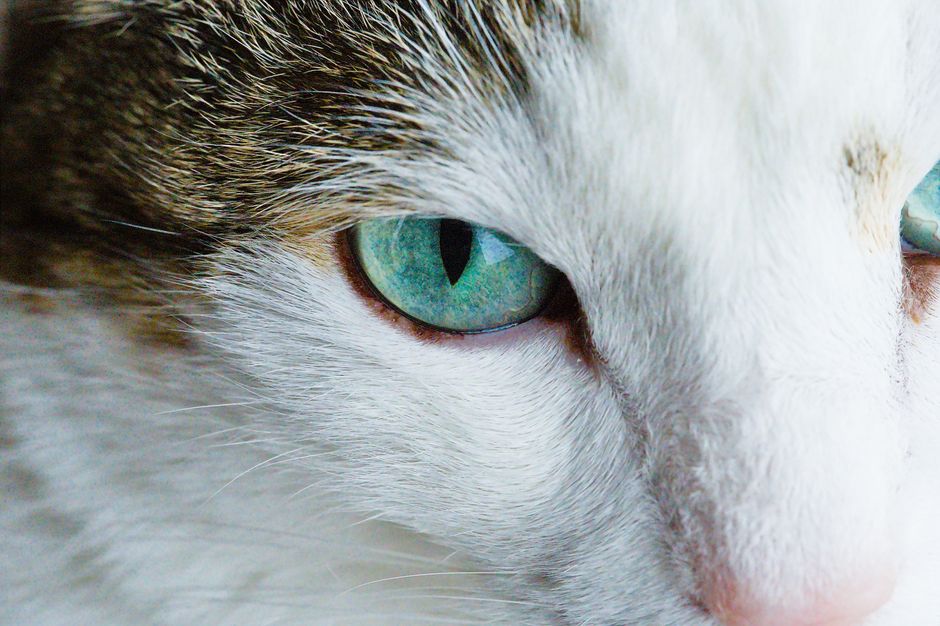
Horner’s Syndrome is a neurological disorder that affects the nerves controlling the muscles around your cat’s eye and face. It can develop suddenly, and while it is not typically painful, the visible changes can be distressing for both cats and their owners. Key symptoms of horner’s syndrome in cats include a drooping upper eyelid (ptosis), a noticeably smaller pupil (miosis) in the affected eye, a sunken appearance of the eyeball (enophthalmos), and an elevated third eyelid (nictitating membrane). Some cats may also show slight differences in the color or moisture of their nose or face on the affected side. These changes often occur on one side of the face, making them easier to spot when comparing both eyes.
It’s important to remember that while these signs may not cause your cat discomfort, they can be associated with underlying medical issues that require professional attention. If you notice any of these changes, seeking prompt evaluation from a veterinary ophthalmologist can help ensure your cat receives the most accurate diagnosis and care. For more information on other common issues affecting cat eyes, you can explore our educational resource on prevalent pet eye diseases.
What Causes Horner’s Syndrome in Cats?
Understanding the root causes of horner’s syndrome cat can help pet owners feel more empowered when seeking care. Horner’s Syndrome occurs when there is disruption or injury to the sympathetic nerves supplying the eye and surrounding facial structures. In cats, this disruption can have many origins. Common causes include trauma such as a fall or being hit by a car, which can injure the nerves in the neck or chest. Ear infections, particularly middle or inner ear disease, may also lead to nerve inflammation or damage. In rare cases, tumors affecting the nerves or adjacent tissues, surgical complications, or even certain types of dental disease can be underlying factors.
Sometimes, Horner’s Syndrome is classified as “idiopathic,” meaning no specific cause can be found despite thorough diagnostic testing. In these cases, the condition may resolve over time, but continued monitoring is important to ensure your cat’s comfort and health. Regardless of the cause, a comprehensive evaluation by a veterinary ophthalmologist is essential for identifying the origin and developing a tailored treatment plan for your cat.
How Veterinary Ophthalmologists Diagnose Horner’s Syndrome in Cats
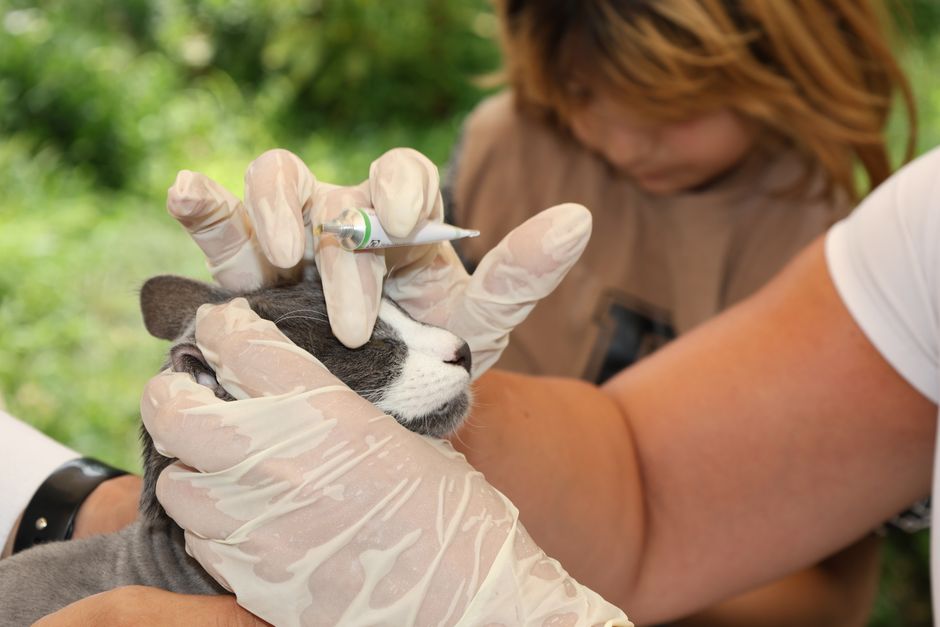
Diagnosing horner’s syndrome cat involves a detailed neurological and ophthalmic examination. At Animal Eye Specialists, every cat receives a complete eye exam performed by a board-certified veterinary ophthalmologist. The process begins with a careful review of your cat’s medical history and a close look at the eyes, eyelids, and facial structure. Specialized diagnostic techniques, such as Horner's Testing, may be used to help pinpoint the location of nerve disruption. This testing can involve applying specific eye drops and observing your cat’s pupil responses to determine which part of the nervous system is affected.
Additional diagnostic tools may include slit lamp examination, ocular ultrasonography, and direct or indirect ophthalmoscopy, which allow for a detailed assessment of the eye’s internal structures. If an underlying cause such as trauma, infection, or tumor is suspected, further diagnostics such as imaging studies or advanced laboratory testing may be recommended. Our team is committed to providing a thorough and compassionate experience, minimizing stress for your cat every step of the way.
Treatment Options for Horner’s Syndrome in Cats
Treatment for horner’s syndrome cat will depend on the underlying cause identified during your cat’s evaluation. If a specific problem such as an ear infection or trauma is found, addressing that primary issue is the first step. For example, a cat with a middle ear infection may require targeted antibiotics and supportive care, while a cat with trauma may need additional imaging and careful monitoring. In cases where a tumor or mass is the cause, referral for further specialty care may be appropriate.
Many cats with idiopathic Horner’s Syndrome will see improvement over several weeks to months, even without specific treatment. During this time, our veterinary ophthalmology team will monitor your cat’s progress with regular follow-up exams to ensure there are no new developments or complications. In some situations, protective eye medications may be prescribed to help with comfort and to prevent secondary issues such as corneal ulcers or dryness if the eyelid does not close fully. For complex or persistent cases, we offer advanced care for complicated ophthalmic conditions to ensure the best possible outcome for your cat.
Home Care and Prevention Tips for Cat Owners
While Horner’s Syndrome itself cannot always be prevented, there are steps cat owners can take to support their pet’s eye health and reduce the risk of underlying conditions. Regularly checking your cat’s eyes for changes in appearance, discharge, or swelling can help you spot problems early. Keeping your cat’s vaccinations up to date, maintaining a safe indoor environment, and addressing ear or dental infections promptly can all contribute to better overall health and reduce the risk of nerve injuries.
If your cat has already been diagnosed with horner’s syndrome cat, monitoring for changes or progression in symptoms is important. Keeping your cat’s living area clean and minimizing stressful situations can also help support recovery. Always follow your veterinary ophthalmologist’s care instructions and bring your cat in for recommended follow-up visits to track progress.
When to Seek Veterinary Eye Care for Your Cat
Prompt evaluation by a veterinary ophthalmologist is essential if you notice any of the classic signs of horner’s syndrome cat in your cat, including a droopy eyelid, sunken eye, constricted pupil, or elevated third eyelid. While these symptoms may not cause pain, they can signal underlying medical conditions that require professional attention. Immediate care is especially important if your cat also shows signs of pain, swelling, discharge, changes in vision, or if the symptoms develop suddenly after trauma.
Our team at Animal Eye Specialists in Plano, TX is dedicated to providing expert, stress-free care for cats with eye problems. Our board-certified veterinary ophthalmologist will ensure your cat receives the most advanced diagnostics and compassionate treatment available.
Why Choose Animal Eye Specialists for Horner’s Syndrome in Cats
Choosing a veterinary ophthalmologist for your cat ensures the most accurate diagnosis and treatment for eye disorders like horner’s syndrome cat. At Animal Eye Specialists, we focus exclusively on pet eye health, with advanced diagnostics such as direct and indirect ophthalmoscopy and specialized care for chronic ophthalmic diseases. Our Fear Free-based approach means your cat receives gentle, individualized attention every step of the way. We serve Plano and surrounding communities with a commitment to excellence in veterinary eye care.
If you find yourself searching for a specialty vet near me to help with your cat’s eye concerns, you can trust the veterinary ophthalmology team at Animal Eye Specialists to provide the expertise and support your pet deserves.
Take the Next Step for Your Cat’s Eye Health
If your cat is displaying symptoms of horner’s syndrome cat or you have concerns about their vision, don’t hesitate to reach out to our veterinary ophthalmology team. Early intervention can make a crucial difference in your cat’s comfort and long-term eye health. Our board-certified veterinary ophthalmologist is here to guide you through every stage of diagnosis and treatment with compassion and expertise.
To schedule an appointment or learn more about our specialized eye care services, contact Animal Eye Specialists at 1545 W Plano Pkwy, Plano, TX 75075 or call (972) 845-9948. For additional information about horner’s syndrome in cats or our advanced diagnostic options, we invite you to explore our Horner's Testing service or read more about complicated ophthalmic conditions on our website.
Your cat’s vision and comfort are our top priorities. Let us help you provide the best possible eye care for your feline companion.