Why Pets Squint: Common Causes of Eye Discomfort

Why Pets Squint: Common Causes of Eye Discomfort
Have you noticed your dog or cat suddenly squinting, pawing at their eye, or showing signs of discomfort around their face? For many pet owners in Plano and the surrounding communities, these subtle changes can be both worrying and confusing. Eye discomfort in pets is a common concern, and sometimes a squint is the first sign of a serious underlying eye condition. At Animal Eye Specialists, our team, led by board-certified veterinary ophthalmologist Dr. Stephanie Beaumont, is dedicated exclusively to pet eye care. We are based at 1545 W Plano Pkwy, Plano, TX 75075 and serve as a trusted referral destination for pet owners and veterinarians throughout the Dallas-Fort Worth area and beyond.
In this blog, we will guide you through the most common reasons pets squint or show signs of eye discomfort. You will learn how to recognize key symptoms, understand what might be causing the problem, explore the advanced diagnostic and treatment options available at a veterinary ophthalmology specialty clinic, and discover when it is time to seek professional help. Our focus is always on protecting your pet’s vision and providing compassionate, expert care every step of the way.
Recognizing Eye Discomfort in Pets: Signs and Symptoms
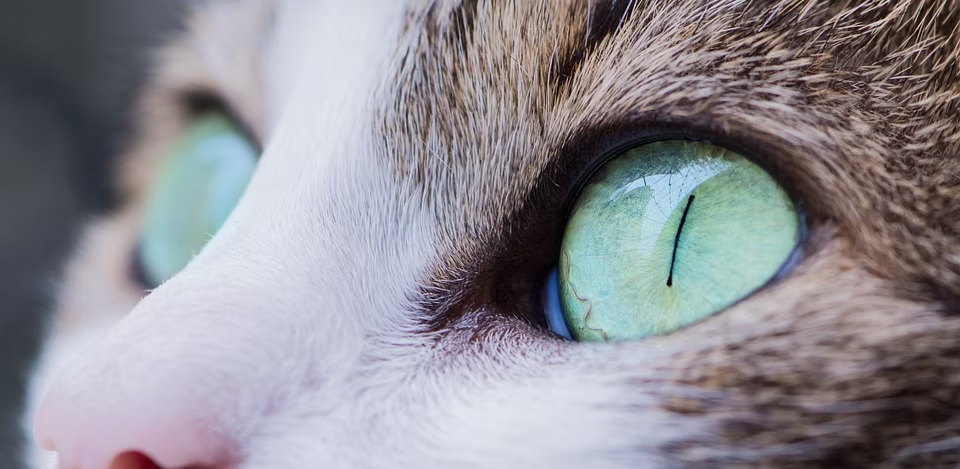
Early detection of eye issues is essential for the best possible outcome. Pets are experts at hiding discomfort, so subtle behavioral changes might be the only sign something is wrong. Key symptoms of eye discomfort in pets include persistent squinting, excessive blinking, pawing or rubbing at the eye, redness or swelling around the eyelids, increased tearing or watery discharge, and visible changes to the eye’s appearance, such as cloudiness or a bluish tint. Additionally, you may notice your pet is sensitive to light, reluctant to have their face touched, or unable to keep one eye open as wide as the other.
For dogs and cats, these symptoms may develop rapidly or progress over several days. A dog that once eagerly chased a ball may suddenly hesitate outdoors, or a cat that usually naps in sunny spots might start hiding in darker areas. Any of these changes, especially if they persist for more than a day or are accompanied by visible discharge or swelling, should be taken seriously.
If you observe squinting along with a decrease in vision, such as bumping into objects or hesitancy on stairs, this could indicate more severe eye disease. For a deeper look at common eye diseases affecting pets, you can explore our page on common eye diseases in pets.
Why Do Pets Squint? Understanding the Causes
Squinting is typically a sign your pet is experiencing pain or irritation in one or both eyes. There are several common reasons for this behavior, ranging from minor irritations to complex eye diseases that require specialized care. Some of the most frequent causes of squinting in pets include corneal ulcers or scratches, foreign bodies such as dust or plant material trapped under the eyelid, dry eye (keratoconjunctivitis sicca), glaucoma, eyelid abnormalities, and conjunctivitis. In some breeds, inherited or anatomical conditions may predispose them to eye discomfort, especially those with prominent or bulging eyes.
Corneal ulcers, which are open sores on the surface of the eye, are among the most common reasons for sudden squinting and pain. Contact with sharp objects, rough play, or even a run-in with a plant outdoors can cause these ulcers. Dry eye, a condition where the eye does not produce enough tears, leads to chronic irritation and squinting. In addition, increased intraocular pressure from glaucoma can cause not only squinting but also rapid loss of vision if left untreated.
Occasionally, squinting may be triggered by growths or tumors affecting the eyelid, the presence of abnormally placed eyelashes (distichia or ectopic cilia), or even issues with the third eyelid. Each of these conditions can cause varying degrees of discomfort, and accurate diagnosis is key to effective treatment.
Diagnosing and Treating Eye Discomfort: The Role of a Veterinary Ophthalmologist
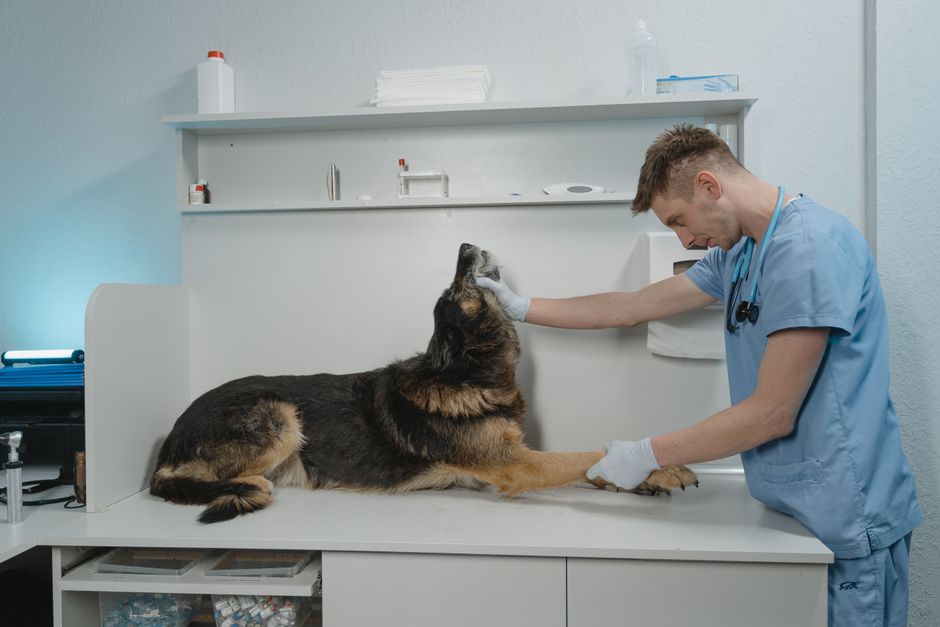
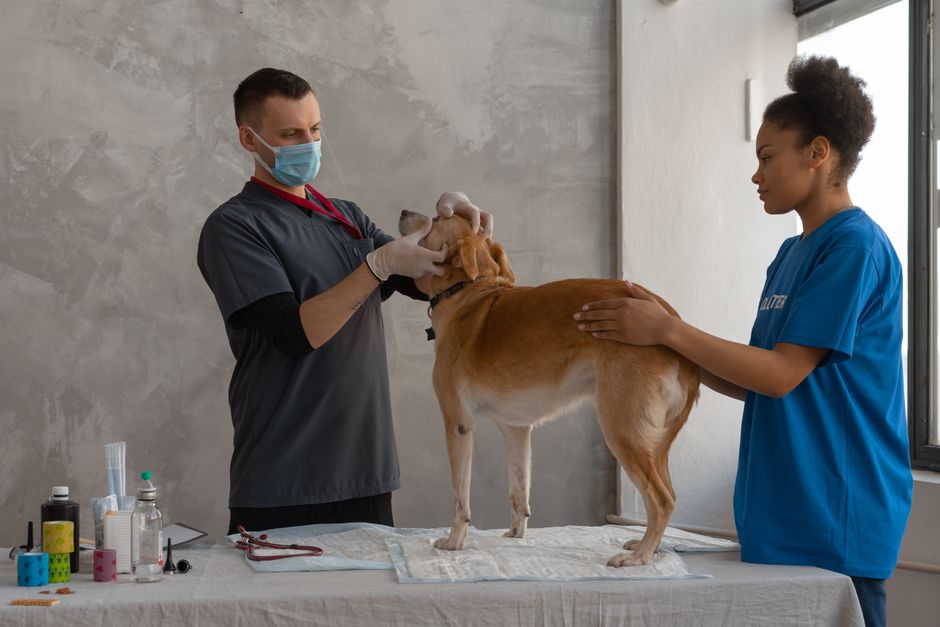
When you bring your pet to Animal Eye Specialists in Plano, our approach begins with a thorough, Fear Free-based examination performed by a board-certified veterinary ophthalmologist. We use advanced tools and techniques designed specifically for animal eye health. Diagnostic steps often include a complete ophthalmic exam, slit lamp examination to inspect the cornea and lens, and tonometry to measure intraocular pressure. Depending on the findings, further testing such as fluorescein staining may be performed to detect corneal ulcers, or Schrimer tear testing to evaluate tear production.
Treatments are tailored to the underlying cause. For corneal ulcers, therapy may involve topical antibiotics or antifungals, pain management, and in severe cases, surgical intervention such as corneal repair. Dry eye is typically managed with medications to stimulate tear production and reduce inflammation. If glaucoma is diagnosed, urgent intervention to lower intraocular pressure is critical to preserving vision; this may involve medications or, in some cases, advanced procedures offered at our specialty clinic. Eyelid or third eyelid abnormalities may require corrective surgery, while tumors or growths are addressed through precise surgical removal.
Throughout your pet’s treatment journey, our veterinary ophthalmology team provides comprehensive follow-up care, ensuring each step is explained and tailored to your pet’s needs and comfort. For chronic or complicated conditions, our specialty services such as chronic ophthalmic disease management and complicated ophthalmic condition care ensure that your pet receives the highest level of expertise available in the DFW area.
Home Care and Prevention: What Pet Owners Can Do
While it is not always possible to prevent eye problems, there are proactive steps you can take to minimize risks. Regularly checking your pet’s eyes for signs of redness, discharge, or squinting helps catch issues early. Gently wiping away debris from around the eyes with a clean, damp cloth can reduce irritation, but always use a separate cloth for each eye to prevent spreading infection.
For pets with known eye conditions or those at higher risk, such as certain breeds or those with a history of dry eye, following your veterinarian’s medication instructions and attending all recommended follow-up appointments is crucial. Avoid letting your pet stick their head out of car windows or play in areas with tall grass or debris that could scratch the eye. If your pet is recovering from an eye procedure or chronic condition, monitor for any changes and contact your veterinary ophthalmologist promptly if new symptoms arise.
Protecting your pet’s vision is a partnership between you and your veterinary care team. For those interested in a more detailed overview of how to recognize signs that a specialist visit is needed, our educational guide on how do I know if my pet needs to see an eye specialist offers valuable information.
When to Seek Veterinary Ophthalmology Care
Eye problems can progress rapidly, and timely intervention is often the difference between full recovery and lasting vision loss. You should seek professional evaluation from a veterinary ophthalmologist if your pet experiences persistent squinting for more than a few hours, sudden changes in vision, visible cloudiness, redness, or swelling of the eye, excessive tearing, or if they are in obvious pain. Immediate care is especially important if the eye appears blue, bulging, or sunken, or if your pet cannot open the eye at all.
While your family veterinarian is an important first point of contact, referral to a board-certified veterinary ophthalmologist is recommended for recurrent, severe, or unexplained eye issues. At Animal Eye Specialists, we work closely with referring veterinarians across Plano and the DFW area to provide advanced diagnostics and treatment for complex cases. Our clinic is equipped to handle a wide range of ophthalmic conditions, ensuring your pet receives expert and compassionate care in a stress-free environment.
If you are searching for a "veterinary ophthalmology vet near me," our clinic is experienced in providing specialized eye care for pets throughout Plano and surrounding communities. We encourage you to reach out whenever you notice changes in your pet’s eye health; prompt attention can make all the difference.
Protect Your Pet’s Vision: Expert Eye Care in Plano, TX
Eye discomfort in pets should never be ignored, especially when squinting, pawing, or changes in vision are involved. By understanding the common causes and knowing when to seek help, you can play a crucial role in protecting your pet’s eyesight and quality of life. At Animal Eye Specialists, our board-certified veterinary ophthalmologist and dedicated veterinary team are committed to providing personalized, advanced care for every pet we see.
If you are concerned about your dog or cat’s eye health or if you have noticed any of the symptoms discussed here, do not wait to seek advice. Contact our clinic at (972) 845-9948 to schedule a consultation, or visit us at 1545 W Plano Pkwy, Plano, TX 75075. We are proud to serve Plano and the surrounding communities with the highest standard of veterinary ophthalmology care.
For more detailed information on advanced treatments, including corneal repair for pets and management of chronic ophthalmic diseases, please explore our service pages. Your pet’s vision is precious; let our veterinary ophthalmology professionals help protect it for years to come.
This blog is intended for informational purposes only and is not a substitute for professional veterinary advice. If your pet is experiencing any eye issues, please contact your veterinarian or a board-certified veterinary ophthalmologist promptly.