Cataract Surgery for Pets: What Every Owner Should Know
Cataract Surgery for Pets: What Every Owner Should Know
Is your dog or cat suddenly bumping into furniture, struggling to find their favorite toy, or developing a cloudy appearance in one or both eyes? These changes can be alarming, especially when they hint at vision loss. Cataracts are a leading cause of blindness in pets, but the good news is that cataract surgery for pets can often restore sight and dramatically improve quality of life. At Animal Eye Specialists in Plano, TX, our board-certified veterinary ophthalmologist provides advanced care exclusively for pet eye conditions. In this guide, we’ll walk you through how cataract surgery for pets works, the signs to watch for, what to expect before and after surgery, and why trusting a veterinary ophthalmology specialist ensures the best possible outcome for your beloved companion.
If you’re seeking expert cataract care, you can explore more about cataract surgery for pets and see why so many families in Plano and surrounding communities turn to Animal Eye Specialists for advanced pet eye care.
Recognizing Cataracts in Your Pet: Signs and Symptoms
Cataracts develop when the lens of your pet’s eye becomes cloudy, blocking light and distorting vision. This condition can progress slowly or appear suddenly, depending on the underlying cause. Early recognition is key, as pets rely heavily on their eyesight for daily activities and safety.
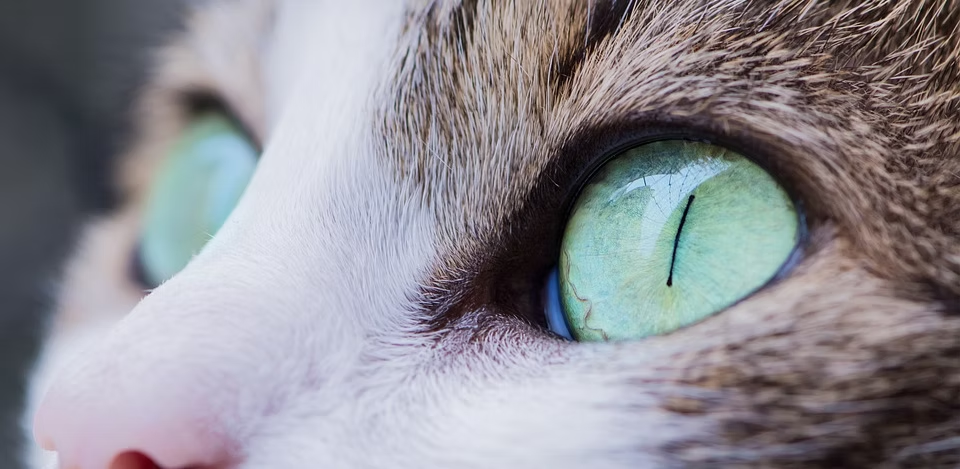
Some of the most common signs that your dog or cat may be developing cataracts include a bluish, gray, or white haze in one or both eyes, increased clumsiness or bumping into objects, hesitance in new environments, reluctance to go up or down stairs, and changes in how your pet tracks toys or treats. You may also notice that your pet’s eyes seem to reflect light differently, or that they appear more anxious or startled in unfamiliar settings. In some cases, pets with cataracts may develop redness, squinting, or discharge if the cataract is associated with inflammation or another underlying eye condition.
It’s important to remember that these symptoms can overlap with other eye diseases in dogs and cats, such as glaucoma or corneal ulcers. That’s why a complete ophthalmic exam performed by a board-certified veterinary ophthalmologist is critical for an accurate diagnosis and treatment plan. You can find more information about common eye diseases affecting pets on our website if you’d like to learn about other possible causes of vision changes.
What Causes Cataracts in Dogs and Cats?
Understanding why cataracts develop can help you protect your pet’s vision and anticipate potential risks. In dogs, cataracts are most often hereditary, with certain breeds—such as poodles, cocker spaniels, and schnauzers—being more prone to early onset. Diabetes is another major cause; diabetic dogs are at high risk of developing cataracts that can progress rapidly. In cats, cataracts are less common, but may occur secondary to inflammation, trauma, or as a complication of other eye diseases.
Other contributing factors can include age-related degeneration, nutritional imbalances during puppy or kitten development, and rare metabolic disorders. Sometimes, cataracts are caused by injuries or chronic inflammation inside the eye. Regardless of the underlying cause, cataracts ultimately block light from reaching the retina, leading to partial or complete vision loss if left untreated.
While not all cataracts require surgery, pets experiencing significant vision loss or complications such as inflammation are often excellent candidates for advanced surgical care. Early intervention can help preserve vision and prevent secondary complications.
Cataract Surgery for Pets: The Procedure and What to Expect
Cataract surgery for pets involves highly specialized techniques using advanced equipment and surgical skill. At Animal Eye Specialists, the most common procedure performed is phacoemulsification, which is also the gold standard for cataract removal in human medicine. During this surgery, the cloudy lens is broken up with ultrasonic energy and then gently removed. In most cases, an artificial lens (intraocular lens implant) is placed to restore your pet’s ability to focus.
The process starts with a comprehensive pre-surgical evaluation, including advanced diagnostic testing to assess eye health and ensure your pet is a good candidate for surgery. The veterinary ophthalmologist will evaluate the retina, check for inflammation, and rule out any other underlying issues that might affect success. On the day of surgery, your pet will be placed under general anesthesia. The procedure typically lasts about an hour, and most pets return home the same day.
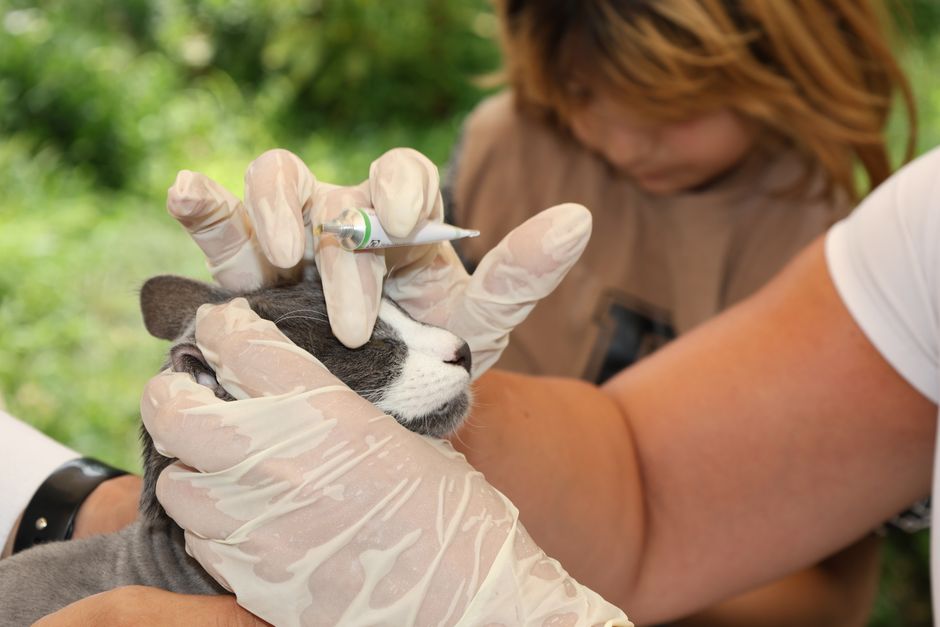
Recovery from cataract surgery is usually rapid, with many pets regaining visual function within days. You’ll notice your pet’s confidence and activity levels improve as their vision returns. Postoperative care involves administering eye drops, monitoring for signs of discomfort or complications, and attending follow-up appointments to ensure optimal healing. Our comprehensive follow-up care supports every stage of your pet’s recovery, ensuring the best possible long-term outcome.
If you’re interested in the technical aspects of the procedure, our page on cataract removal with intraocular lens implantation provides an in-depth look at how we restore vision for pets using state-of-the-art surgical techniques.
Success Rates and What Owners Can Expect
Cataract surgery for pets boasts a high success rate, especially when performed by a board-certified veterinary ophthalmologist. Most dogs and cats regain significant vision, allowing them to enjoy a more active and fulfilling life. Success depends on factors such as the pet’s overall health, the presence of other eye conditions, and the diligence of postoperative care at home. In rare cases, complications such as inflammation, increased eye pressure, or retinal detachment may occur, but these risks are minimized with advanced surgical protocols and careful monitoring.
Our veterinary team will discuss all potential risks and benefits with you before proceeding, ensuring you’re comfortable and informed every step of the way.
Cataract Prevention and Home Care Tips
While some causes of cataracts—like genetics or aging—are beyond your control, there are steps you can take at home to help protect your pet’s vision and overall eye health. Maintaining a healthy weight and managing chronic conditions such as diabetes are crucial, especially for dogs prone to metabolic cataracts. Feeding a balanced, veterinarian-recommended diet supports eye health and may delay the onset of age-related changes.
Regular veterinary check-ups, including annual eye screenings, are vital for early detection of problems. If your pet is a breed at higher risk for cataracts, or if you notice any changes in their eyes or vision, scheduling an exam with a veterinary ophthalmologist provides peace of mind and allows for proactive management. Your role in administering any prescribed medications or eye drops and following post-surgical care instructions is essential for your pet’s recovery and long-term comfort.
If your pet is living with vision loss, our blind pet support resources offer practical tips and guidance to help both you and your pet adapt to a new routine.
When Should You Consult a Veterinary Ophthalmologist?
It’s natural to wonder when changes in your pet’s eyes require specialty care. If you notice any signs of vision loss, cloudiness, redness, squinting, or discharge, prompt evaluation by a board-certified veterinary ophthalmologist is recommended. Early intervention can mean the difference between a treatable condition and permanent blindness.
General practice veterinarians often refer pets with complex or advanced eye conditions to Animal Eye Specialists for advanced diagnostics and surgical care. If your veterinarian suspects cataracts or another serious eye problem, seeking a consultation with a veterinary ophthalmologist ensures your pet receives the highest level of expertise and access to the most effective treatment options.
Our commitment to personalized service means every pet receives a thorough eye exam performed by the specialist, not a technician, in a calm and comforting environment. This approach minimizes stress while maximizing the accuracy of diagnosis and the success of treatment.
Why Choose Animal Eye Specialists for Cataract Surgery for Pets in Plano, TX?
Choosing the right veterinary ophthalmologist for cataract surgery for pets is an important decision for your family. At Animal Eye Specialists, Dr. Stephanie Beaumont, DACVO, and our entire team are dedicated exclusively to eye care for pets. We bring advanced surgical skills, state-of-the-art technology, and a compassionate, Fear Free philosophy to every appointment.
Our practice is conveniently located in Plano, TX, making us easily accessible for pet owners throughout the Dallas-Fort Worth area and beyond. We work closely with your regular veterinarian to provide seamless care and support before, during, and after cataract surgery. Our focus on gentle handling and individualized care helps reduce anxiety for pets and peace of mind for owners.
If you are searching for a specialty vet near me for advanced pet eye care, Animal Eye Specialists offers the trusted expertise and compassionate service your pet deserves.
Ready to Give Your Pet the Gift of Sight? Contact Us Today
If your dog or cat is struggling with vision loss or has been diagnosed with cataracts, cataract surgery for pets may be the key to restoring a brighter, more confident future. Our veterinary ophthalmology team at Animal Eye Specialists is here to guide you through every step, from diagnosis to surgery to post-operative care.
You can learn more about our cataract surgery services and explore real patient stories that showcase the difference advanced eye care makes. To schedule a consultation or speak with our veterinary professionals, call (972) 845-9948 or visit us at 1545 W Plano Pkwy, Plano, TX 75075.
Let us help your pet enjoy a world of clearer vision and renewed joy. When you need a specialty vet near me for your pet’s eye health, Animal Eye Specialists is your trusted partner in Plano and surrounding communities.
Medical disclaimer: This article is for informational purposes only and does not replace professional veterinary care. Always consult your veterinarian or a board-certified veterinary ophthalmologist for personalized advice about your pet’s health.