Recognizing Glaucoma in Pets: Early Signs and Treatment Options

Recognizing Glaucoma in Pets: Early Signs and Treatment Options
Is your pet suddenly squinting, pawing at their eye, or acting unusually withdrawn? Changes like these can be unsettling, and as a devoted pet owner, you naturally want answers and solutions fast. Glaucoma is a serious eye disease that can affect both dogs and cats, often progressing rapidly and threatening your pet’s vision if not addressed promptly. At Animal Eye Specialists in Plano, TX, our board-certified veterinary ophthalmologist provides advanced, compassionate care focused exclusively on eye health for pets. In this article, we will guide you through recognizing glaucoma in pets, understanding its causes, learning about the latest treatment options, and knowing when to seek specialized veterinary ophthalmology care. For pet owners in Plano and surrounding communities, knowing the signs and acting early can make all the difference in preserving your pet’s quality of life and vision.
Spotting Glaucoma: Early Signs and Symptoms in Pets
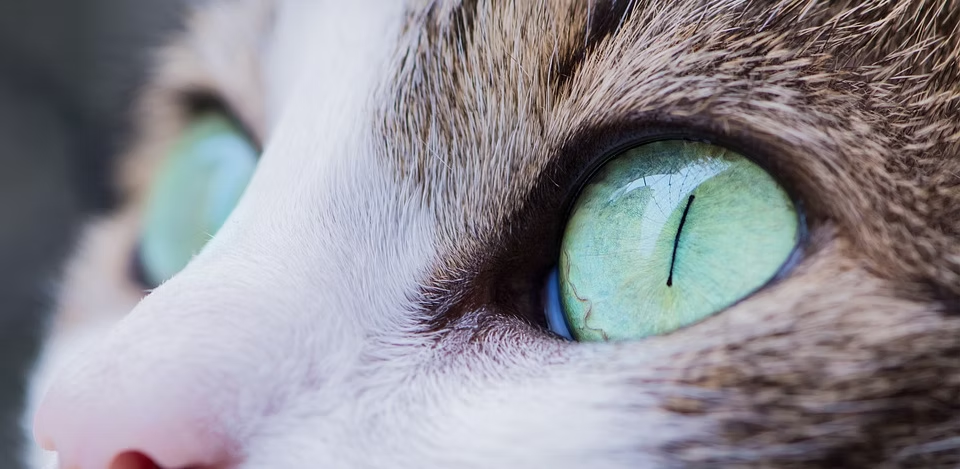
Glaucoma is often called the “silent thief of sight” because it can cause significant damage before obvious symptoms appear. However, some key warning signs can alert you that your pet needs immediate attention from a veterinary ophthalmologist. In both dogs and cats, symptoms include noticeable redness in the white of the eye, persistent squinting or blinking, increased tear production, and a cloudy or bluish appearance to the eye surface. Some pets may develop a visibly enlarged or bulging eye, which is particularly alarming. Other warning signs are a sudden loss of vision, bumping into furniture, reluctance to move around, or changes in behavior such as hiding or avoiding bright light. In more subtle cases, you might notice that your pet is more sensitive to touch around the head or eyes, or seems less playful and energetic than usual.
It’s important to remember that glaucoma often affects one eye first but can quickly spread to the other if not managed. Because these signs can also indicate other eye problems, such as corneal ulcers or uveitis, a full ophthalmic examination is always essential to pinpoint the exact cause. If you are seeing any of these signs or have concerns about your pet’s eye health, a complete ophthalmic exam with a veterinary ophthalmologist is the best next step.
How Glaucoma Feels to Your Pet
Imagine suddenly seeing the world through a foggy window, with pain and pressure building behind your eyes. That’s what pets with glaucoma often experience. Because our companion animals cannot tell us exactly how they feel, subtle clues like rubbing their face on the floor, seeking dark spaces, or a decrease in appetite can be crucial indicators.
Understanding Glaucoma: Causes and Risk Factors in Dogs and Cats
Glaucoma is a disease where the pressure inside the eye (intraocular pressure) rises to damaging levels, often leading to vision loss if not treated promptly. In pets, this increase in pressure is usually due to poor drainage of the fluid (aqueous humor) that naturally fills the eye. When this fluid cannot exit the eye normally, pressure rises, damaging the optic nerve and retina.
There are two main types of glaucoma seen in pets. Primary glaucoma is hereditary and most often affects certain dog breeds such as Cocker Spaniels, Basset Hounds, and Beagles, although any breed can be affected. In cats, primary glaucoma is less common but can occur, especially in older pets. Secondary glaucoma is more widespread and results from another eye disease or injury, such as inflammation (uveitis), lens luxation, cataracts, or tumors inside the eye. Injuries, chronic infections, and age-related changes can all increase the risk of developing secondary glaucoma.
Some pets may be predisposed due to breed, genetics, or underlying eye conditions. Regular eye screenings, especially for at-risk breeds and aging pets, can help detect subtle changes before they become sight-threatening. If your veterinarian suspects glaucoma, advanced diagnostic tools such as tonometry (intraocular pressure testing) and gonioscopy are essential for an accurate diagnosis.
Why Prompt Diagnosis is Critical
Glaucoma can cause irreversible vision loss within hours to days if left untreated. Once the optic nerve is damaged, restoring vision becomes extremely difficult, making early detection and rapid intervention the best way to preserve your pet’s sight.
How Glaucoma Is Diagnosed: The Veterinary Ophthalmologist Advantage
Diagnosing glaucoma involves much more than a quick look at the eye. At Animal Eye Specialists, every pet receives a comprehensive eye exam performed exclusively by a board-certified veterinary ophthalmologist. We use specialized equipment and advanced diagnostic techniques to assess the health of your pet’s eyes with precision.
Tonometry measures the pressure inside your pet’s eye, identifying even subtle increases that may indicate the earliest stages of glaucoma. Gonioscopy allows us to visualize the drainage angle of the eye, which is especially important in breeds predisposed to primary glaucoma. In complex cases, we may also use ocular ultrasonography to look for masses or changes inside the eye, or electroretinography to evaluate retinal function.
Treatment Options for Glaucoma in Pets: Advanced Veterinary Ophthalmology Care
Treating glaucoma in pets requires a tailored approach that considers the type of glaucoma, how much vision remains, and your pet’s overall health and comfort. The main goals are to reduce intraocular pressure, relieve pain, and preserve as much vision as possible.
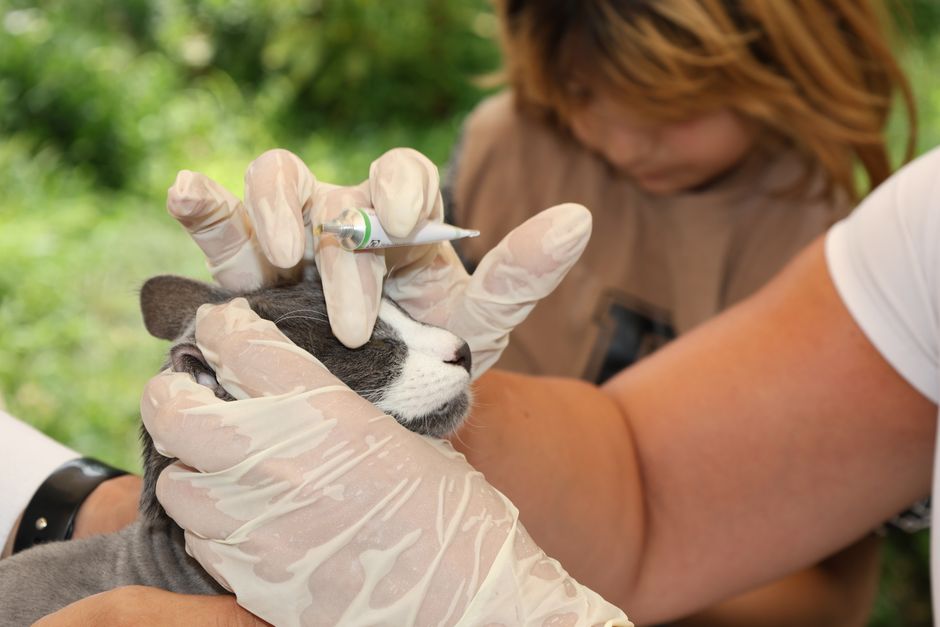
Medication is often the first line of treatment, using eye drops or oral medications to decrease fluid production or improve fluid drainage. These may include prostaglandin analogs, carbonic anhydrase inhibitors, and beta-blockers, all chosen based on your pet’s specific needs and tolerance. In some cases, medication alone may not be enough or may only provide temporary relief.
For pets who need more advanced intervention, surgical options are available. These approaches are designed to lower eye pressure long-term and include procedures such as laser surgery to reduce fluid production, or implantation of drainage devices to improve fluid outflow. In severe or end-stage cases where vision cannot be saved and pain is a concern, surgical removal of the eye (enucleation) may be recommended to restore comfort.
Our clinic offers a full range of advanced surgical options, including intraocular microscopic surgery and cryosurgery, all performed in a compassionate, stress-minimizing environment. We work closely with you and your referring veterinarian to ensure your pet receives the best possible outcome for their condition. For more information on how we manage complicated ophthalmic conditions, our team is ready to help.
Chronic Glaucoma Management and Follow-Up
Glaucoma is typically a lifelong condition that requires regular monitoring and ongoing care. Recheck appointments are essential to adjust medications, monitor for changes, and catch any issues before they threaten your pet’s vision. At Animal Eye Specialists, we offer comprehensive care for chronic ophthalmic diseases, partnering with you for every step of your pet’s journey.
Preventing Glaucoma and Protecting Your Pet’s Eyes at Home
While not all cases of glaucoma can be prevented, especially those with a genetic component, there are steps you can take to safeguard your pet’s eye health. Regular veterinary check-ups, especially for breeds at higher risk, are a powerful way to catch early changes before they escalate. Monitoring your pet for subtle shifts in behavior, eye appearance, or comfort can help you spot trouble early.
At home, make sure your pet’s eyes are free from debris and avoid harsh shampoos or chemicals near the face. If your pet has a history of eye problems or chronic conditions like diabetes, work with your primary care veterinarian and specialist to manage these proactively. Protect pets from head trauma and rough play that might injure the eye, and be alert to seasonal irritants such as grass seeds or pollens that are common in the Plano area.
If you have questions about your pet’s risk of glaucoma or want to learn more about eye health, our educational resources on common eye diseases in pets may be helpful.
When to Seek Veterinary Ophthalmology Care for Glaucoma
Swift action is crucial when it comes to glaucoma. If your pet displays any of the symptoms discussed—such as squinting, redness, cloudiness, vision loss, or sudden behavioral changes—schedule an evaluation with a veterinary ophthalmologist immediately. General practice veterinarians provide essential care but may refer you to a specialist for advanced diagnostics and treatment tailored to complex eye diseases.
When searching for a "veterinary ophthalmology vet near me," prioritize clinics where your pet will always be seen by a board-certified specialist, such as Animal Eye Specialists in Plano. Our dedicated ophthalmology team is here to provide the advanced diagnostics, surgical expertise, and compassionate support your pet deserves. In many cases, early intervention can mean the difference between saving vision and permanent blindness.
If you are unsure whether your pet’s symptoms require urgent attention, it is always safer to have them evaluated promptly. Our clinic welcomes referrals from local veterinarians throughout Plano and the surrounding communities, and we are happy to work collaboratively for the best outcomes.
Compassionate, Expert Eye Care for Pets in Plano and Beyond
Glaucoma can be a frightening diagnosis, but with prompt recognition and the right veterinary ophthalmology care, many pets can maintain comfort and, in some cases, preserve their vision. The key is knowing the warning signs and acting quickly. At Animal Eye Specialists, our board-certified ophthalmologist and experienced veterinary professionals are committed to guiding you every step of the way—from the first exam through advanced treatment and ongoing management.
If you notice changes in your pet’s eye appearance or behavior, do not wait. Contact our clinic at (972) 845-9948 or visit us at 1545 W Plano Pkwy, Plano, TX 75075 to schedule a consultation. Our team is here to provide the specialized care your pet needs in a supportive, stress-free environment. For more information about glaucoma, advanced diagnostics like tonometry (intraocular pressure testing), or to explore our full range of ophthalmic services, visit our website at peteyevet.com. When your pet’s vision is at stake, trust the dedicated veterinary ophthalmology experts at Animal Eye Specialists to help protect what matters most.