Can Dogs Have Cataract Surgery? Expert Answers for Pet Owners

Can Dogs Have Cataract Surgery? Expert Answers for Pet Owners
If you have noticed your dog struggling to see, bumping into furniture, or developing a cloudy appearance in one or both eyes, you may be worried that cataracts are to blame. As a caring pet owner, it is natural to wonder, can dogs have cataract surgery, and if so, what does the process look like for your companion? At Animal Eye Specialists in Plano, TX, our team of board-certified veterinary ophthalmologists is dedicated to helping pets regain and maintain their vision. We understand how important your dog’s eyesight is to their quality of life, and we are here to guide you through every step of the evaluation, treatment, and recovery process. In this blog, we will explore the signs of cataracts in dogs, why they develop, how we determine if surgery is the right choice, what to expect if your dog undergoes cataract surgery, and how to support your pet’s long-term eye health. If you are considering advanced cataract treatment for your dog near Plano and surrounding communities, our specialized team is here to help answer your questions and provide expert care.
Recognizing Cataracts in Dogs: Signs and Symptoms
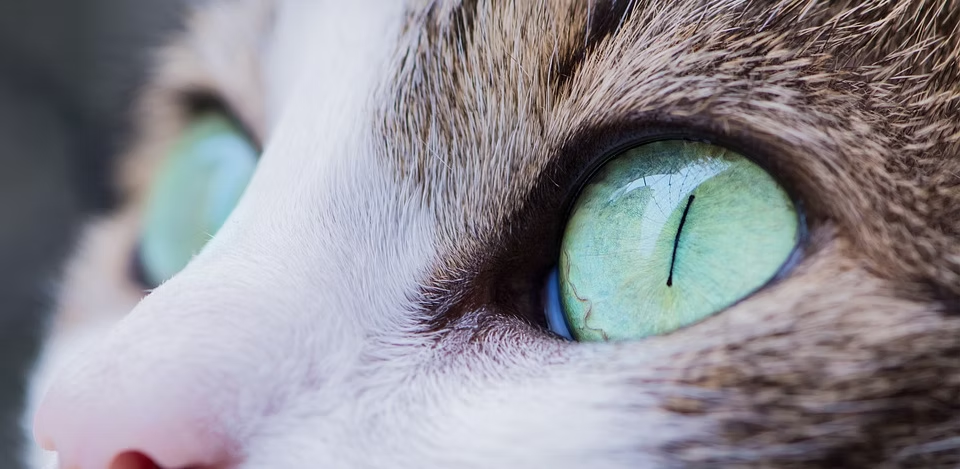
Cataracts can develop in dogs of all ages and breeds, and early detection is key to ensuring the best possible outcome. Signs that your dog may be developing cataracts include a noticeable cloudiness or bluish-white haze in the pupil, which often appears as a milky or opaque spot in the center of the eye. Additionally, you may observe changes in your dog’s behavior, such as increased clumsiness, difficulty navigating familiar spaces, reluctance to jump onto furniture, hesitancy on stairs, or sudden anxiety in low-light conditions. Some dogs may startle easily or become less playful, especially if they are struggling to see toys or family members. It is important to note that while cataracts are a common cause of vision loss in dogs, other eye conditions can present with similar symptoms, including nuclear sclerosis or retinal diseases. For this reason, a thorough evaluation by a veterinary ophthalmologist is essential to obtain an accurate diagnosis and create an effective treatment plan. If you notice any of these changes in your pet’s eyes or vision, we encourage you to seek a complete ophthalmic exam with our experienced veterinary professionals.
Why Do Cataracts Develop in Dogs?
Understanding what causes cataracts in dogs can help you make informed decisions about your pet’s eye health. Cataracts occur when the lens inside the eye becomes cloudy or opaque, preventing light from passing through and resulting in vision impairment. The most common cause of cataracts in dogs is genetics; certain breeds, such as Poodles, Cocker Spaniels, and Bichon Frises, are more predisposed to hereditary cataracts that may appear at a young age or progress over time. Diabetes mellitus is another significant risk factor, as elevated blood sugar can cause rapid cataract development, sometimes within days to weeks of a diabetes diagnosis. Other potential causes include eye injuries, chronic inflammation, nutritional imbalances in young puppies, and age-related changes in senior dogs. It is also possible for cataracts to develop secondary to other eye diseases or as a result of toxic exposure, though these causes are less common. In any case, early diagnosis and regular monitoring are crucial, especially if your dog is part of a breed known for eye issues or has a history of diabetes. By partnering with a board-certified veterinary ophthalmologist, you can ensure that your pet receives the most accurate diagnosis and personalized care plan.
Can Dogs Have Cataract Surgery? Candidacy and Evaluation
One of the most common questions we hear at Animal Eye Specialists is, can dogs have cataract surgery, and how do we determine if a dog is a good candidate? The answer is that many dogs can safely undergo cataract removal, but not every dog is suitable for surgery. The first step in evaluating candidacy involves a comprehensive ophthalmic examination by a board-certified veterinary ophthalmologist. Our team will assess your dog’s overall eye health, the maturity and location of the cataract, the presence of any underlying conditions such as glaucoma or retinal disease, and the status of the tear film and corneal health.
A critical part of this evaluation is testing the function of the retina, which is the light-sensitive layer at the back of the eye. We use advanced diagnostic tools such as electroretinography and ocular ultrasonography to ensure that the retina is healthy and capable of transmitting visual signals to the brain. If the retina is functioning normally and the rest of the eye is healthy, we can discuss the benefits and risks of cataract surgery in detail.
It is important to understand that some conditions, such as advanced glaucoma, significant retinal degeneration, or chronic inflammation, may make surgery less likely to restore vision or could increase surgical risks. For dogs who are not surgical candidates, our team will work with you to develop a management plan to keep your pet comfortable and safe. You can read more about our approach to cataract surgery for pets and how we support each patient’s unique needs.
What to Expect from Dog Cataract Surgery at Animal Eye Specialists
Cataract surgery in dogs is a highly specialized procedure that requires advanced training, state-of-the-art equipment, and meticulous attention to detail. At Animal Eye Specialists, we perform cataract removal using phacoemulsification, a minimally invasive technique similar to the one used in human medicine. During this procedure, the cloudy lens is gently emulsified and removed through a small incision, and in most cases, an artificial intraocular lens (IOL) is implanted to restore focusing ability.
The process involves several important steps. Prior to surgery, your dog will undergo preoperative bloodwork and a thorough health assessment to ensure they are a safe candidate for anesthesia. On the day of surgery, your pet will receive gentle sedation and a local nerve block to minimize stress and discomfort. The surgery itself typically lasts under an hour per eye, and most dogs are able to go home the same day, although some may require an overnight stay for observation.
Postoperative care is essential to achieving the best visual outcome. This includes administering prescribed eye drops and oral medications to control inflammation and prevent infection, monitoring for complications such as increased intraocular pressure, and attending scheduled follow-up visits with our ophthalmology team. Most dogs experience a dramatic improvement in vision within days to weeks of surgery, and many return to their favorite activities with renewed confidence. For more details on our surgical techniques, visit our page on Cataract Removal (Phacoemulsification) With Intraocular Lens Implantation.
Home Care and Preventing Future Eye Issues
While cataract surgery can offer life-changing benefits, ongoing care is vital to maintaining your dog’s eye health. After surgery, closely following your veterinarian’s instructions is key; this includes giving all medications as prescribed, returning for regular checkups, and watching for any changes such as redness, discharge, squinting, or cloudiness in the operated eye. Keeping your pet’s environment safe and free from sharp edges or hazards can help protect their vision during recovery.
Long-term prevention strategies involve managing any underlying conditions, such as diabetes or chronic inflammation, and scheduling routine eye exams, especially for breeds at higher risk. Feeding a balanced diet and ensuring your dog receives regular exercise and preventive veterinary care will support their overall well-being and reduce the risk of future eye problems. If you have questions about chronic eye care, our team provides comprehensive services for chronic ophthalmic diseases to help keep your pet’s eyes healthy.
When to Seek Help from a Veterinary Ophthalmologist
Deciding if and when to pursue cataract surgery for your dog is a significant decision that requires expert guidance. You should seek veterinary ophthalmology care promptly if you notice rapid changes in your dog’s vision, new or worsening cloudiness in the eyes, redness or pain, or any signs of discomfort such as rubbing the face or excessive tearing. Dogs with diabetes or a known breed predisposition should be monitored closely for even subtle eye changes, as early intervention can make a dramatic difference in prognosis.
If your general veterinarian has diagnosed your pet with cataracts or suspected cataracts, a referral to a board-certified veterinary ophthalmologist is the next critical step. Our team at Animal Eye Specialists is dedicated exclusively to advanced eye care for pets; we provide thorough exams, state-of-the-art diagnostics, and individualized treatment plans tailored to your dog’s needs. For additional resources on recognizing eye problems in pets, you can visit our How Do I Know? , Information on pet eye health page.
Your Partner in Pet Eye Health: Contact Animal Eye Specialists Today
Cataracts do not have to mean the end of a joyful, active life for your dog. Thanks to modern veterinary medicine, many dogs can have cataract surgery and regain their vision, restoring their ability to interact confidently with family and surroundings. At Animal Eye Specialists in Plano, TX, our compassionate team of board-certified veterinary ophthalmologists is committed to providing the highest standard of care, from initial evaluation through surgery and follow-up. If you are searching for a specialty vet near me, know that our clinic is here to support you and your pet every step of the way.
If you are concerned about your dog’s vision or wondering can dogs have cataract surgery, we encourage you to reach out for an expert consultation. Contact Animal Eye Specialists at (972) 845-9948 or schedule a visit to our conveniently located clinic at 1545 W Plano Pkwy, Plano, TX 75075. Our veterinary ophthalmology professionals are ready to answer your questions, provide advanced treatment options, and help your pet enjoy a brighter, clearer future. For more information on our full range of services, including cataract surgery and chronic eye disease management, explore our pages on cataract surgery for pets and chronic ophthalmic diseases. Your pet’s vision is our passion and priority.