Cataract Surgery for Dogs: What Plano Pet Owners Should Know

Cataract Surgery for Dogs: What Plano Pet Owners Should Know
Cloudy eyes, changes in vision, and a loss of confidence navigating familiar spaces are all signs that your beloved dog may be struggling with cataracts. For pet owners in Plano and the surrounding communities, cataract surgery for dogs offers a path to clearer vision and an improved quality of life. At Animal Eye Specialists, located at 1545 W Plano Pkwy, Plano, TX 75075, our board-certified veterinary ophthalmologist provides advanced, compassionate care dedicated exclusively to animal eye health. In this blog, we will guide you through the essentials of canine cataracts, explain how cataract surgery for dogs works, and help you understand what to expect before, during, and after the procedure.
By the end of this article, you will know how to recognize cataracts in your dog, understand the importance of specialized veterinary ophthalmology, and feel empowered to make the best choices for your pet’s vision. If you are looking for in-depth information on the surgical process, we also invite you to explore our information about cataract surgery and what to expect for your pet.
Recognizing Cataracts in Your Dog
Cataracts are a leading cause of vision loss in dogs, affecting pets of all ages but especially common in senior dogs and certain breeds. Recognizing the early signs of cataracts can make a significant difference in your pet’s comfort and long-term vision outcomes.
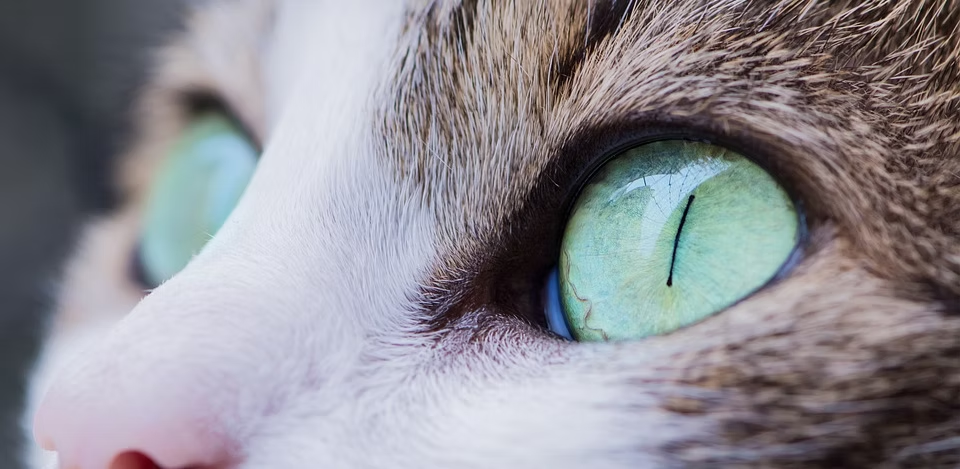
Key symptoms include a cloudy or bluish-gray appearance in the center of the eye, difficulty seeing in dim light, and hesitation or bumping into objects. Additionally, you might notice your dog is less confident going up or down stairs, seems startled more easily, or hesitates before jumping onto furniture. Some dogs may display signs of eye discomfort such as increased blinking, eye rubbing, or redness. These symptoms can progress slowly or rapidly depending on the underlying cause, so regular monitoring of your pet’s eye health is important.
If you notice any of these changes, especially if your dog’s eyes appear cloudy or their vision seems impaired, it is essential to seek a complete ophthalmic examination. A veterinary ophthalmologist at Animal Eye Specialists will use advanced diagnostic techniques such as direct and indirect ophthalmoscopy, slit lamp examination, and tonometry to accurately diagnose cataracts and rule out other causes of vision loss.
What Causes Cataracts in Dogs?
Understanding what leads to cataract development in dogs can help you grasp why specialized treatment is often necessary. Cataracts form when the lens of the eye becomes cloudy due to changes in its structure, blocking light from reaching the retina. This cloudiness can be caused by a variety of factors.
Genetics play a significant role; certain breeds such as Poodles, Cocker Spaniels, and Siberian Huskies are more susceptible. Diabetes is another major contributor; dogs with diabetes are at higher risk for rapidly developing cataracts due to changes in lens metabolism. Age-related changes, trauma to the eye, or inflammation from other eye diseases can also lead to cataract formation. In some cases, nutritional deficiencies or exposure to certain toxins may play a role, although these are less common.
It is important to differentiate cataracts from nuclear sclerosis, a normal aging change in the lens that causes a bluish haze but does not significantly affect vision. A thorough examination by a veterinary ophthalmologist ensures an accurate diagnosis and helps determine the best path forward for your pet.
Cataract Surgery for Dogs: Treatment Options and What to Expect
When cataracts are significantly impairing your dog’s vision and quality of life, surgery is often the most effective treatment. Cataract surgery for dogs, performed by a board-certified veterinary ophthalmologist, can restore vision in many cases and help your pet return to their active, joyful self.
How Does Cataract Surgery Work?
The most advanced and widely used technique for cataract removal in dogs is phacoemulsification. During this procedure, the veterinary ophthalmologist creates a tiny incision in the eye and uses ultrasonic waves to break up and remove the cloudy lens material. In most cases, an artificial intraocular lens (IOL) is implanted, allowing the eye to focus light properly and restoring near-normal vision. At Animal Eye Specialists, we specialize in cataract removal by phacoemulsification with intraocular lens implantation, ensuring that your pet receives the most advanced and effective care available.
What Is the Success Rate?
Cataract surgery for dogs has a high success rate when performed by a skilled veterinary ophthalmologist and when the pet is carefully selected for surgery based on overall health, eye condition, and absence of complicating diseases such as retinal degeneration or severe glaucoma. Many dogs regain functional vision and enjoy a dramatic improvement in their quality of life.
What Should You Expect Before and After Surgery?
Before surgery, your dog will undergo a thorough ophthalmic examination, including tests such as ocular ultrasonography and electroretinography to assess the health of the retina and other eye structures. Preoperative bloodwork and a general health assessment are also necessary to ensure your pet is a good candidate for anesthesia and surgery.
After surgery, careful post-operative management is vital. This includes administering prescribed eye drops and oral medications, using an Elizabethan collar to prevent rubbing, and attending follow-up visits for rechecks and monitoring. Our veterinary team will guide you through every step of the process, providing detailed instructions and ongoing support. For a more comprehensive overview of the surgery and recovery, visit our cataract surgery for pets page.
Preventing and Managing Cataracts at Home
While not all cases of canine cataracts can be prevented, there are steps you can take to help protect your pet’s eye health and support their vision.
Feeding a balanced, high-quality diet and maintaining a healthy weight are fundamental. For diabetic dogs, strict blood sugar control through diet and medication is essential and significantly reduces the risk of cataract formation. Routine wellness exams with your general veterinarian, combined with annual or biannual eye checks—especially for at-risk breeds—can help catch changes early. Protecting your dog from eye injuries and avoiding exposure to harmful chemicals or toxins are additional measures that support long-term ocular health.
If your dog already has cataracts, managing their environment becomes important. Keeping furniture and obstacles in consistent locations, using non-slip rugs, and providing extra guidance when navigating stairs can help maintain your pet’s confidence and independence. Regular check-ins with a veterinary ophthalmologist allow for timely intervention if the cataracts progress or if complications such as lens-induced uveitis develop.
When Should You Seek Veterinary Ophthalmology Care?
Prompt evaluation by a veterinary ophthalmologist is critical whenever you notice changes in your dog’s vision, the appearance of their eyes, or signs of discomfort. Warning signs that should prompt immediate attention include a sudden onset of cloudiness, redness, squinting, excessive tearing or discharge, or evidence of eye pain. These symptoms may indicate complications such as glaucoma or inflammation, which can threaten vision and require urgent care.
If your dog has been diagnosed with diabetes or a breed predisposed to ocular disease, proactive referral to a specialty eye clinic can help preserve vision and detect issues early. At Animal Eye Specialists, every patient receives a comprehensive eye exam performed by a board-certified veterinary ophthalmologist, ensuring that no detail is overlooked and that your dog receives the highest level of care. For those seeking information on managing chronic or complicated eye diseases, our expertise extends to medical management of chronic and acute ocular diseases in pets.
Why Choose Animal Eye Specialists in Plano for Cataract Surgery for Dogs?
Choosing the right provider for cataract surgery for dogs is a significant decision. At our independently owned clinic in Plano, we are dedicated exclusively to veterinary ophthalmology. Every pet receives a complete, unhurried evaluation by a board-certified veterinary ophthalmologist, using the latest diagnostic and surgical techniques. Our commitment to a Fear Free approach reduces stress for both pets and owners, making the surgical experience as comfortable and positive as possible.
We partner closely with general veterinarians throughout Plano and the broader Dallas-Fort Worth area, ensuring seamless referrals and communication. Our comprehensive follow-up care supports both you and your dog throughout the recovery process, and our team is always available to answer questions and provide guidance.
Take the Next Step Toward Restored Vision for Your Dog
If you are concerned about your dog’s cloudy eyes, vision loss, or have questions about cataract surgery for dogs, our team at Animal Eye Specialists is here to help. We encourage you to reach out to our experienced veterinary ophthalmology team for a consultation. When searching for a specialty vet near me, trust a practice that prioritizes compassionate, advanced, and personalized care for every patient.
To schedule an appointment or learn more about our services, contact us at (972) 845-9948, visit our Plano location, or explore more about cataract surgery and what to expect for your pet. Your dog’s vision and comfort are our highest priorities, and we look forward to supporting you every step of the way.
This blog is for educational purposes only and should not be used as a substitute for professional veterinary advice. Always consult with a board-certified veterinary ophthalmologist for any concerns regarding your pet’s eye health or before making decisions about surgical treatments.