How Cold Weather Affects Pet Eye Health in Plano

How Cold Weather Affects Pet Eye Health in Plano
As winter settles into Plano and the surrounding communities, pet owners often focus on keeping their dogs and cats warm and comfortable. Yet, few realize that cold, damp February weather can also have a surprising impact on pet eye health. At Animal Eye Specialists, we frequently see seasonal changes trigger or worsen certain eye conditions in pets, especially as temperatures dip and humidity fluctuates. If you have ever wondered whether cold weather could put your pet’s eyes at risk, this guide is for you.
In this blog, we will explore the most common cold-related eye issues seen in Plano pets, discuss why these problems develop, and offer tips for keeping your pet’s eyes healthy all winter long. We will also cover when it is time to seek the expertise of a board-certified veterinary ophthalmologist at Animal Eye Specialists. Our independently owned clinic, located on W Plano Pkwy, is dedicated exclusively to advanced eye care for pets, ensuring every patient receives a thorough exam from a board-certified veterinary ophthalmologist. If you are concerned about your pet’s vision or notice changes this season, our veterinary team is here to help you navigate your options for specialized care.
Recognizing Cold-Related Eye Problems in Pets
Many pet owners are surprised to learn that winter weather can influence their pet’s eyes in subtle but significant ways. While some changes may be mild and temporary, others can signal the start of more serious problems that require professional attention.
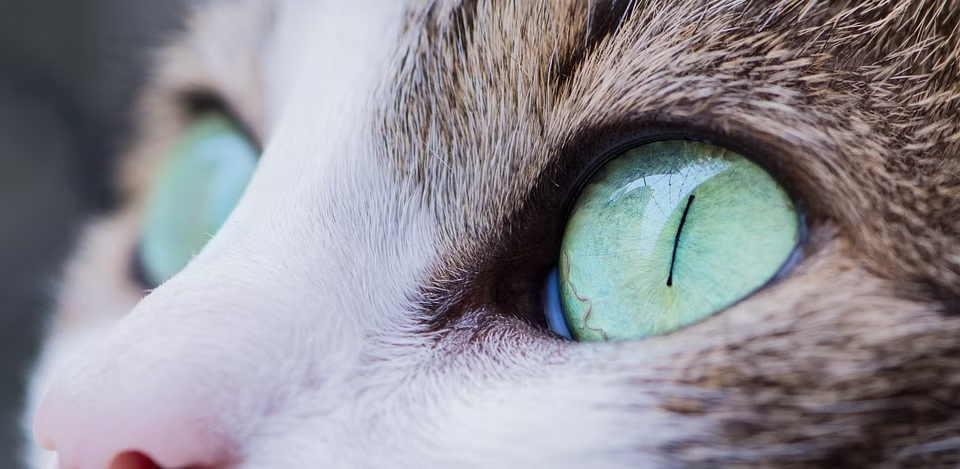
Key symptoms to watch for during colder months include redness, watery or mucoid discharge from the eyes, squinting, increased blinking, or your pet pawing at their face. You might also notice cloudiness in the eye, changes in the way your pet navigates familiar spaces, or sensitivity to bright light. In some cases, pets may develop visible swelling around the eyelids or a crusty build-up at the corners of the eyes. For dogs and cats with pre-existing ophthalmic conditions, such as chronic dry eye or corneal scarring, colder weather can make symptoms worse.
It is important to remember that while some mild eye irritation can be related to environmental changes, symptoms like persistent redness, thick discharge, or changes in vision always warrant a closer look. Early recognition of these signs can make a significant difference in your pet’s comfort and long-term eye health. For a more comprehensive overview of common eye diseases that may affect pets, you can visit our common eye diseases resource.
How Cold Weather Impacts Pet Eye Health
Plano’s winter climate is characterized by chilly temperatures, periodic dampness, and rapidly shifting humidity levels. These environmental factors can influence pet eye health in a variety of ways.
Dry indoor air, often caused by home heating systems, can reduce the moisture content of the tear film that protects the surface of the eye. As a result, pets may develop increased evaporation of tears, leaving the eyes prone to dryness, irritation, and even micro-abrasions. Outdoor cold air can be equally challenging, especially on windy days. When dogs accompany their owners for brisk winter walks, the wind can cause excessive tearing, lead to squinting, or aggravate existing conditions like keratoconjunctivitis sicca (commonly known as dry eye).
Additionally, winter months in Plano often bring about higher exposure to environmental irritants. Grass and weed debris, dust, or even road salts used in icy conditions can become airborne and enter the eyes—potentially causing inflammation or corneal injury. Pets with prominent eyes, such as certain brachycephalic breeds, or those with a history of ocular disease, are particularly vulnerable during this season. Underlying issues like eyelid malformations or tear duct problems can further reduce the eye’s ability to clear away irritants, making professional evaluation crucial.
Specialized Diagnosis and Treatment for Seasonal Eye Conditions
Seeking specialized care at Animal Eye Specialists ensures your pet receives precise diagnosis and advanced treatment tailored to their unique needs. Our clinic is equipped with state-of-the-art diagnostic tools—such as slit lamp examination, fluorescein staining, Schrimer tear testing, and tonometry—to identify even subtle changes in eye health. For example, fluorescein staining is often used to detect corneal ulcers that may result from excessive rubbing or environmental trauma, while Schrimer tear testing helps us measure your pet’s tear production and confirm dry eye conditions.
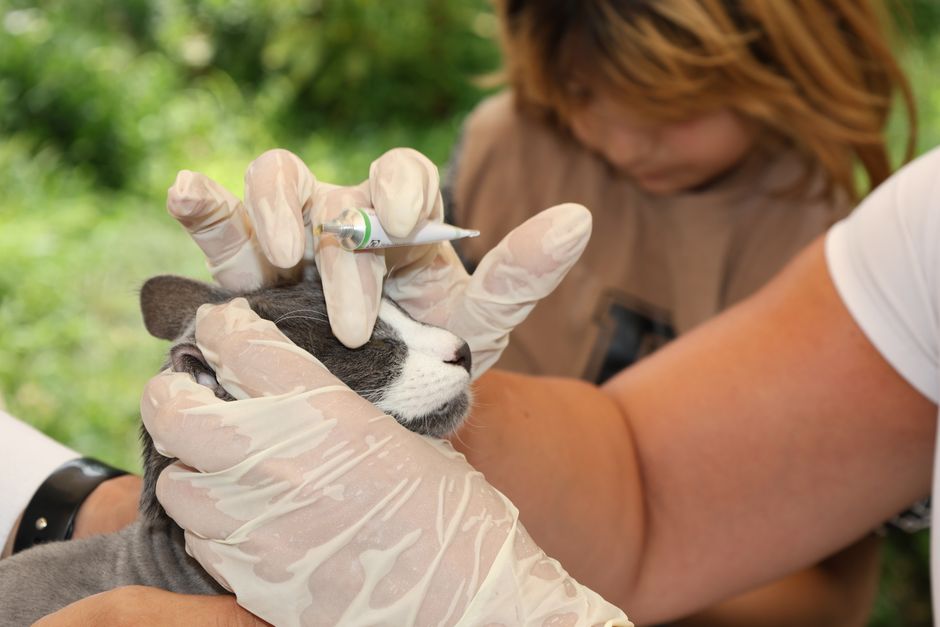
Treatment approaches are always individualized and may involve topical medications to reduce inflammation or infection, advanced surgical procedures for complex injuries, or ongoing management of chronic diseases exacerbated by winter weather. If your pet’s condition is chronic or complicated, our veterinary ophthalmologists offer specialized management strategies, explained in more detail on our chronic ophthalmic diseases page and complicated ophthalmic conditions page.
For pets experiencing pain, vision loss, or progressive symptoms, early intervention can provide relief and preserve eye function. Our comprehensive follow-up care ensures that your pet’s recovery is monitored at every step, with adjustments made as needed for optimal eye health.
Preventing Eye Problems During Plano’s Cold Season
While winter weather can pose challenges, there are proactive steps you can take to protect your pet’s eyes. Keeping indoor humidity at a moderate level can help maintain tear production, while avoiding direct exposure to drafts or heating vents can prevent additional drying. During outdoor walks, consider limiting time outside on particularly windy or cold days, especially for breeds with large, exposed eyes. Wiping your pet’s face gently with a damp, clean cloth after outdoor activities can remove dust, pollen, or debris that may have accumulated near the eyes.
It is also important to monitor for any changes in eye appearance or behavior, as early intervention is key in preventing complications. If your pet has a history of dry eye or chronic ophthalmic disease, regular check-ins with a veterinary ophthalmologist during the winter months can catch subtle changes before they become problematic. Our team encourages you to reach out if you notice even minor shifts in your pet’s eye health, as prompt attention can make a difference.
For more information about conditions like dry eye or corneal injuries, you may find additional resources on our Schrimer tear testing page and corneal repair service page.
When to Consult a Veterinary Ophthalmologist
Determining when home care is sufficient versus when specialty intervention is needed can feel challenging. As a general rule, any persistent or worsening symptoms—such as redness that does not resolve, ongoing discharge, visible cloudiness, squinting, or suspected vision changes—should prompt an immediate call to your veterinary ophthalmologist. Sudden onset of pain, swelling, or inability to open the eye are considered urgent and should not wait, as some conditions can advance quickly and threaten vision or comfort.
If your primary care veterinarian has referred your pet for specialized eye care, or if you are searching for a board-certified ophthalmology vet near me, our team at Animal Eye Specialists welcomes you to reach out. We collaborate closely with local general practitioners to ensure your pet receives seamless, expert care. Whether your concern is seasonal irritation, a chronic condition, or a sudden eye injury, our veterinary professionals are equipped to provide precise diagnosis and advanced treatment options specific to ophthalmic health.
Supporting Your Pet’s Vision Health This Winter
Plano’s winter weather presents unique challenges for pet eye health, but with attentive care and timely intervention, you can help your dog or cat thrive all season long. If you notice any changes in your pet’s eyes—whether it is mild irritation or something more serious—do not hesitate to contact our board-certified veterinary ophthalmologists for specialized support.
Animal Eye Specialists is proud to serve Plano and surrounding communities with compassionate, advanced eye care grounded in a Fear Free-based approach. You can reach us at (972) 845-9948 or visit our clinic at 1545 W Plano Pkwy, Plano, TX 75075 for an appointment. For ongoing tips and pet eye health education, explore our Animal Eye Specialists Blog. When searching for an ophthalmology vet near me, trust our team of veterinary ophthalmology professionals to guide you and your pet through every season with expertise and empathy.
As always, this blog is intended for informational purposes only and should not replace a professional veterinary examination. If you have concerns about your pet’s eyes, professional evaluation is essential for accurate diagnosis and effective treatment. Your pet’s vision is precious—let us help you protect it all year round.