Horner’s Syndrome in Dogs: Causes, Symptoms, and Eye Care
Horner’s Syndrome in Dogs: Causes, Symptoms, and Eye Care
If you have noticed your dog’s eye suddenly looking droopy, or perhaps one pupil appears smaller than the other, it’s natural to feel concerned and wonder what’s happening. These changes can be alarming, especially when they develop without warning. Horner’s syndrome is a neurological condition that affects a dog’s eye and facial appearance, often puzzling pet owners who just want to help their companion feel better. At Animal Eye Specialists, located at 1545 W Plano Pkwy, Plano, TX 75075, our board-certified veterinary ophthalmologist is dedicated to providing advanced, compassionate eye care for pets throughout Plano and surrounding communities. In this blog, we’ll explain what horner's syndrome dog cases involve, how to recognize the signs, what causes this condition, and how specialized eye care can make a difference for your pet’s comfort and vision. We’ll also guide you through what to expect during diagnosis and treatment, and when it’s time to seek expert help from our veterinary team.
Recognizing Horner’s Syndrome in Your Dog: Key Symptoms and What to Watch For
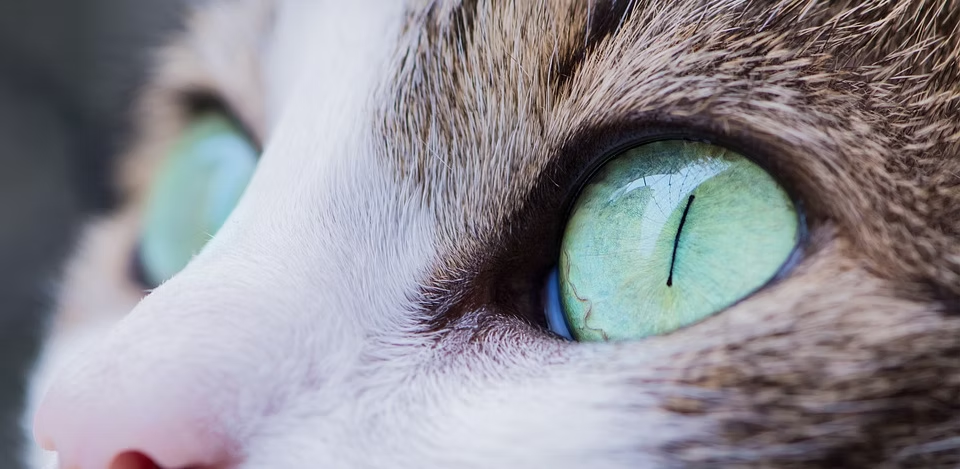
Horner’s syndrome presents with a unique set of symptoms that often appear suddenly. Pet owners might first notice subtle changes in their dog’s facial expression or eye appearance, sometimes after an injury or simply out of the blue. The classic signs include a drooping upper eyelid, or ptosis, which can make your dog look sleepy or less alert. You may also observe a noticeably smaller pupil in the affected eye, a condition known as miosis. Other symptoms often seen are the retraction of the eyeball back into the socket, called enophthalmos, and the third eyelid, or nictitating membrane, becoming more visible than usual. Some dogs develop redness or warmth on the affected side of the face due to a loss of normal nerve supply.
In many cases, these changes are limited to one side of the face, so you might notice your dog’s left or right eye looking different from the other. For instance, if you see a combination of a droopy eyelid, a constricted pupil, and increased third eyelid visibility, Horner’s syndrome may be the cause. Sometimes, the signs can be subtle, so it’s important to pay attention to any persistent or unusual changes in your dog’s eye appearance or facial symmetry. If you are unsure, a full ophthalmic examination with a veterinary ophthalmologist is the best way to clarify what’s happening and what steps to take next.
What Causes Horner’s Syndrome in Dogs?
Understanding why horner's syndrome dog cases occur involves a look at your dog’s nervous system. Horner’s syndrome results from a disruption in the sympathetic nerves that control certain muscles and functions in the eye and face. These nerves travel a long and complex path from the brain, down the spinal cord, through the chest, and up the neck to the eye. Because of this, the underlying cause of Horner’s syndrome can vary widely.
Common causes include trauma, such as an injury to the head, neck, or chest, which can damage the nerves along their pathway. Ear infections, especially deep or chronic ones, may also put pressure on these nerves and trigger the syndrome. In some dogs, a tumor in the chest, neck, or brain can be responsible, although this is less common. Surgical procedures in the neck or chest, or even vigorous pulling on a collar, have been associated with the onset of Horner’s syndrome in rare cases. However, in many dogs, no direct cause can be identified, leading to the term “idiopathic” Horner’s syndrome. This means the condition arises spontaneously without a detectable underlying problem, and it is surprisingly common.
Because the range of potential causes is so broad, it’s important to work with a veterinary ophthalmologist who can perform targeted diagnostic tests. At Animal Eye Specialists, our team utilizes advanced techniques, including Horner's Testing, to help pinpoint the location and potential cause of the nerve disruption. This approach ensures your dog receives the most accurate diagnosis and the best possible care.
Diagnosis and Specialized Eye Care for Horner’s Syndrome
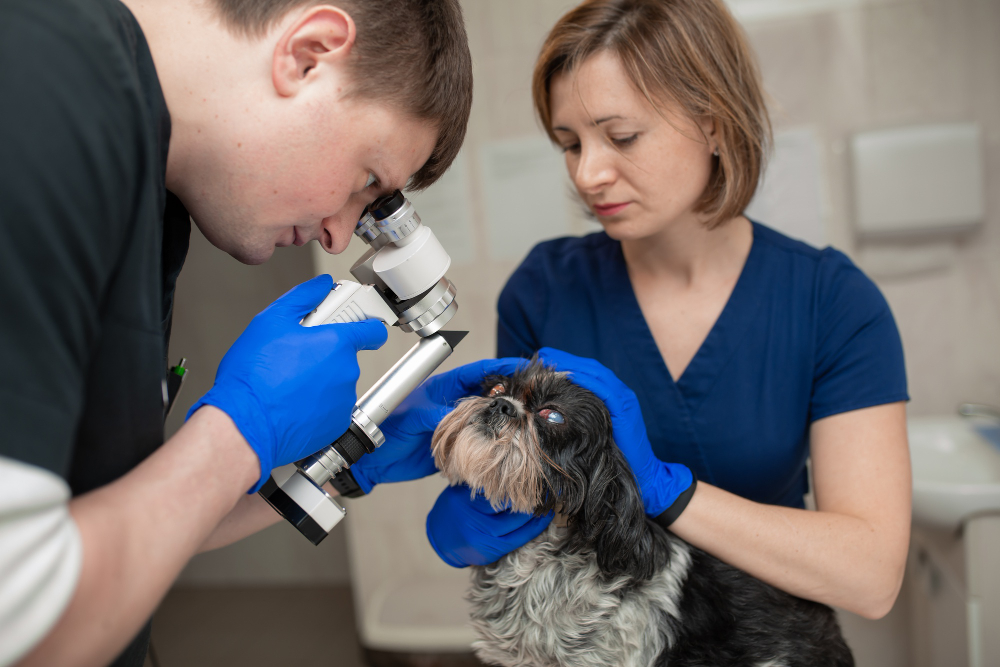
When you bring your dog to Animal Eye Specialists in Plano for suspected Horner’s syndrome, you can expect a thorough and personalized evaluation. A board-certified veterinary ophthalmologist will begin with a complete eye examination, checking for the classic signs and assessing your dog’s overall comfort and vision. Diagnostic steps include careful observation of pupil size, eyelid position, and third eyelid prominence. Our veterinary team may also perform additional tests to confirm the diagnosis and rule out other eye conditions with similar appearances.
Horner’s syndrome diagnosis often involves specialized procedures, such as pharmacologic testing with eye drops to determine where along the nerve pathway the problem is located. For example, certain medications can help identify whether the issue is closer to the brain or near the eye itself. In some cases, additional diagnostic imaging, such as CT scans or MRI, may be recommended if a more serious underlying cause like a tumor is suspected.
Because Horner’s syndrome can sometimes be related to chronic or complicated eye diseases, our practice also offers advanced management for chronic ophthalmic diseases and complicated ophthalmic conditions. This means your dog benefits from the latest knowledge, specialized equipment, and a team dedicated exclusively to animal eye health.
Treatment Options for Horner’s Syndrome in Dogs
Treatment for horner's syndrome dog cases centers on addressing any underlying cause, if one can be found. If an ear infection or injury is identified, appropriate therapy is initiated, such as antibiotics for infection or surgical care for trauma or tumors. When a specific cause is not found, which is often the case, the focus shifts to monitoring and managing your dog’s comfort.
Most idiopathic cases of Horner’s syndrome improve on their own, sometimes within weeks or a few months. During this period, our veterinary ophthalmologist will recommend strategies to protect your dog’s eye if it is at risk for irritation or dryness. This may include lubricating eye drops, protective ointments, or other supportive measures to keep the eye healthy and minimize discomfort. For dogs whose third eyelid protrudes significantly or who have trouble blinking, extra attention is given to prevent corneal injury.
Throughout your dog’s treatment, our team will provide regular rechecks to monitor progress and ensure your pet’s vision and eye health remain stable. We understand how worrying it can be to see changes in your dog’s appearance, so we take time to explain every step and answer your questions fully.
Home Care and Prevention: Supporting Your Dog’s Eye Health
While Horner’s syndrome cannot always be prevented, there are steps you can take to support your dog’s overall eye and nerve health. Ensuring your pet receives regular veterinary care, including routine ear checks and prompt treatment for infections, is essential. Avoiding trauma to the neck, such as using a harness instead of a collar for leash walks, can reduce the risk of nerve injury in some cases. If your dog has recently undergone surgery or experienced trauma, monitor closely for any new eye changes and report them to your veterinarian promptly.
Home care for a dog with Horner’s syndrome focuses on keeping the affected eye comfortable and protected. This may involve gently cleaning any discharge, applying prescribed eye medications as directed, and watching for signs of dryness or redness. If you notice your dog rubbing the eye, squinting, or if the symptoms worsen, contact your veterinary ophthalmologist right away. Early intervention can prevent complications and speed recovery.
When to Seek Veterinary Ophthalmology Care for Horner’s Syndrome
If you observe any of the hallmark symptoms of Horner’s syndrome in your dog—such as a droopy eyelid, smaller pupil, third eyelid elevation, or an eye that appears sunken—it is important to consult a veterinary ophthalmologist as soon as possible. While some cases are benign and resolve over time, others may signal underlying health concerns that require immediate attention. Sudden changes in your dog’s eyes or face, especially if accompanied by pain, difficulty blinking, or vision loss, should never be ignored.
Our team of veterinary ophthalmologists at Animal Eye Specialists in Plano is highly experienced in diagnosing and managing Horner’s syndrome and other complex eye conditions. We provide advanced diagnostic services, including Horner’s Testing, to ensure your pet receives an accurate diagnosis and the best available care.
Remember, even if your regular veterinarian has referred you to us, or if you are searching for a "specialty vet near me," our practice is here to support you and your pet with expertise and compassion.
Take the Next Step: Expert Eye Care for Dogs in Plano and Surrounding Communities
Sudden changes in your dog’s eye appearance can be unsettling, but you don’t have to face these concerns alone. At Animal Eye Specialists, our board-certified veterinary ophthalmologist is dedicated to helping dogs with horner's syndrome dog cases receive the specialized care they deserve. We combine advanced diagnostic techniques with a gentle, Fear Free approach to ensure your pet’s comfort and safety at every visit.
If you notice any signs of Horner’s syndrome or other unusual eye changes in your dog, reach out to our Plano location for a consultation. Our veterinary professionals will guide you through the diagnosis and treatment process, answer your questions, and provide ongoing support for your pet’s eye health. To schedule an appointment or learn more, call (972) 845-9948 or visit our website. When searching for a specialty vet near me, trust the expertise and compassion of Animal Eye Specialists for all your dog’s eye care needs.
For more information on Horner’s syndrome and other common eye conditions, explore our educational resources on common eye diseases in pets. Your pet’s vision and comfort are our top priorities, and we’re here to help every step of the way.
Disclaimer: This article is for informational purposes only and should not be considered a substitute for professional veterinary advice. If your pet is experiencing sudden eye changes or discomfort, consult your veterinarian or a veterinary ophthalmologist promptly.