Dog Cataract Surgery Cost in Plano, TX: What to Expect

Dog Cataract Surgery Cost in Plano, TX: What to Expect
If your dog has been diagnosed with cataracts, you may be searching for answers about treatment options, recovery, and especially the dog cataract surgery cost in Plano, TX. As a devoted pet owner, understanding the financial aspects of advanced veterinary ophthalmology care is an important step in ensuring the best possible outcome for your pet’s vision and overall wellbeing. At Animal Eye Specialists, located at 1545 W Plano Pkwy, Plano, TX 75075, our board-certified veterinary ophthalmologist provides personalized, expert care designed for both your peace of mind and your dog's comfort. In this blog, we will explore what influences the cost of cataract surgery for dogs, what you can expect to be included, and why choosing a specialty clinic like ours can make all the difference in your pet’s eyesight and quality of life. We will also offer guidance on recognizing cataract symptoms, understanding the surgical process, and navigating your options for advanced eye care in Plano and surrounding communities. For those interested in learning more about our specialized cataract surgery services for pets, you will find relevant information and resources throughout this post.
Recognizing Cataracts in Dogs: Signs Your Pet May Need Help
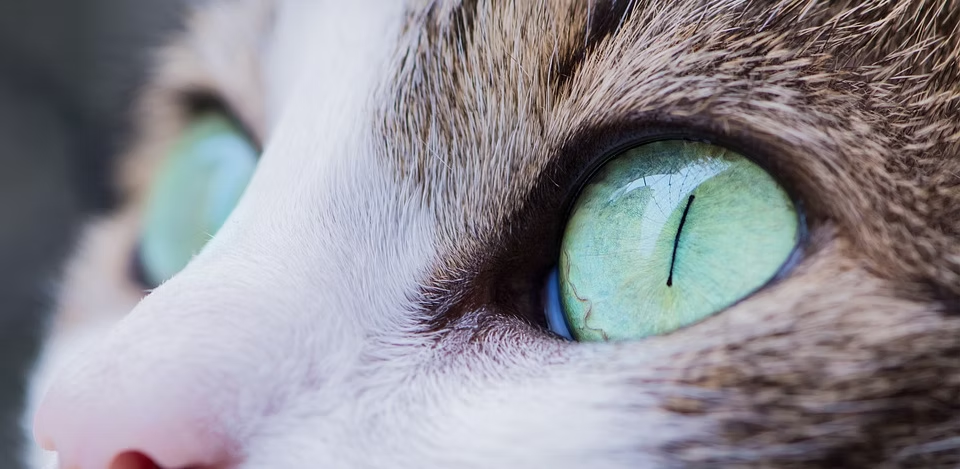
Cataracts are a leading cause of vision loss in dogs, and early detection is crucial. You might notice subtle changes at first, such as your dog bumping into furniture, hesitating in dim lighting, or having difficulty finding toys and treats. Over time, the most visible sign is often a cloudy or bluish-gray appearance in one or both eyes. Other symptoms to watch for are increased clumsiness, reluctance to jump or climb stairs, and changes in behavior such as increased anxiety or confusion in new environments. These changes can be mistaken for aging, so it is important to know that cataracts can develop at any stage of life and for many breeds. If you observe any of these changes, a complete eye exam by a board-certified veterinary ophthalmologist is essential to determine the cause and discuss potential treatment, including whether cataract surgery is appropriate.
Understanding Dog Cataracts: Causes and Risk Factors
Cataracts occur when the lens of your dog’s eye becomes opaque, blocking light from reaching the retina and causing impaired vision or blindness. The most common reason for cataracts in dogs is genetics; certain breeds such as Poodles, Cocker Spaniels, and Boston Terriers have a higher risk of inherited cataracts. Other causes include diabetes mellitus, trauma to the eye, advanced age, and certain inflammatory or metabolic conditions. In some cases, cataracts may develop without a known cause, especially in older dogs. It is important to understand that not all cloudy eyes are cataracts; other eye diseases can mimic similar symptoms, so accurate diagnosis by a veterinary ophthalmology specialist is critical. Our veterinary professionals can distinguish cataracts from other common eye diseases and help guide you toward the best treatment plan for your pet.
Dog Cataract Surgery Cost in Plano, TX: What Factors Affect the Price?
When considering cataract surgery for your dog, one of the first questions many pet owners ask is about the cost. The dog cataract surgery cost in Plano, TX, can vary depending on several important factors. The complexity of your dog’s condition, whether one or both eyes are affected, the presence of underlying health issues such as diabetes, and the specific surgical techniques required all contribute to the overall cost. At Animal Eye Specialists, every cataract surgery is performed by a board-certified veterinary ophthalmologist using advanced technology and techniques to maximize your pet’s chances for restored vision.
The total cost typically includes a comprehensive pre-surgical eye examination, pre-anesthetic bloodwork, advanced diagnostics like ocular ultrasonography or electroretinography, the surgical procedure itself, intraocular lens implantation when indicated, anesthesia monitoring, and post-operative medications. Additionally, several follow-up appointments are necessary to monitor healing and prevent complications. While every case is unique, most pet owners can expect cataract surgery for one eye to range from several thousand dollars, with additional costs if both eyes require treatment. It is also important to factor in the value of ongoing support and follow-up care, which are critical for the best outcome. For more information on what is included in cataract surgery, you can visit our page detailing Cataract Removal (Phacoemulsification) With Intraocular Lens Implantation.
What to Expect: The Dog Cataract Surgery Process
Comprehensive Ophthalmic Evaluation
Before surgery can be considered, your dog will undergo a thorough ophthalmic examination. This includes direct and indirect ophthalmoscopy, slit lamp examination, tonometry to check intraocular pressure, and tests to assess tear production and corneal health. Our veterinary ophthalmologist will also perform specialized diagnostics such as ocular ultrasonography to evaluate the retina and electroretinography to ensure retinal function. These steps help determine if your dog is a good candidate for cataract removal and identify any risks that could affect the outcome.
The Surgical Procedure
The most advanced technique for cataract removal in dogs is phacoemulsification, which involves using ultrasound energy to break up and remove the cloudy lens. Once the cataract is removed, an artificial intraocular lens is typically implanted to restore vision as close to normal as possible. The surgery is performed under general anesthesia, and sophisticated equipment ensures precise, minimally invasive treatment. Our focus is always on safety and comfort, using a Fear Free approach to reduce stress throughout the process.
Post-Operative Care and Recovery
After surgery, your dog will require close monitoring as the eye heals. Post-operative care includes administering prescribed eye drops and oral medications to prevent infection and control inflammation. Your dog will need to wear an Elizabethan collar (cone) to prevent rubbing or scratching the eye. Multiple follow-up visits are essential to monitor healing and address any concerns quickly. Most dogs experience significant improvement in vision within days to weeks, but the full healing process can take several months. Our post-operative treatment services are designed to support you and your pet every step of the way.
Preventing and Managing Cataracts: Home Care Tips for Dog Owners
While some causes of cataracts cannot be prevented, there are steps pet owners can take to protect their dog’s eye health. Regular veterinary wellness visits are vital for early detection of any health issues, including those that could contribute to cataract formation. For diabetic dogs, strict blood sugar control can reduce the risk of rapid cataract development. Protecting your dog’s eyes from trauma, maintaining a nutritious diet, and monitoring for signs of eye discomfort such as redness, discharge, or squinting can also support overall ocular health. If your dog is prone to hereditary cataracts, talk with your veterinarian about regular screenings. While home care cannot reverse cataracts, your involvement plays a key role in successful outcomes after surgery; diligent administration of prescribed medications and adherence to follow-up schedules give your dog the best chance for restored vision.
When to Seek Veterinary Ophthalmology Care for Cataracts
If you notice any changes in your dog’s vision, eye appearance, or behavior, prompt evaluation by a veterinary ophthalmologist is critical. Delaying care can lead to complications such as lens-induced uveitis (inflammation caused by the cataract), glaucoma, or even permanent blindness. Signs that warrant immediate attention include sudden vision loss, severe redness, persistent squinting, excessive tearing, or visible pain. General practice veterinarians frequently refer patients to specialty clinics like Animal Eye Specialists for advanced diagnostics and surgical options. Our veterinary team collaborates closely with your primary veterinarian to ensure seamless care from diagnosis through post-operative recovery. If you are unsure whether your dog’s symptoms require specialty attention, do not hesitate to call us for guidance.
Why Choose a Board-Certified Veterinary Ophthalmologist for Dog Cataract Surgery?
Choosing where to have cataract surgery performed is one of the most important decisions you can make for your pet’s visual health. At Animal Eye Specialists, every patient receives individualized attention from a board-certified veterinary ophthalmologist with extensive training in advanced ocular microsurgery. Our clinic is independently owned, allowing us to prioritize a stress-free, Fear Free-based experience for both pets and their families. We use state-of-the-art equipment and the latest techniques to deliver excellent outcomes with compassion and transparency. As a specialty referral center, we serve Plano and surrounding communities, providing a trusted resource for general practitioners and pet owners seeking the highest standard of veterinary eye care. Our approach emphasizes clear communication, detailed aftercare instructions, and ongoing support throughout your pet’s journey. If you want to know more about the procedures we offer, our Cataract Surgery services for pets page offers comprehensive details.
Take the Next Step: Schedule a Consultation for Your Dog’s Eye Health
Cataract surgery is a significant investment in your dog’s quality of life, and understanding the dog cataract surgery cost in Plano, TX, is just one part of the process. The expertise, technology, and personalized care provided at Animal Eye Specialists ensure that every aspect of your pet’s treatment is handled with the utmost skill and compassion. If you are searching for a specialty vet near me or have questions about your dog’s eye health, our veterinary team is here to help. We encourage you to reach out for a consultation, where we can discuss your individual case, provide a precise estimate, and outline a clear treatment plan. Contact Animal Eye Specialists at (972) 845-9948 or visit us at 1545 W Plano Pkwy, Plano, TX 75075 to learn how we can restore your dog’s vision and support your family every step of the way. For additional information on eye conditions and treatment options, our resource on common eye diseases may be helpful. Your dog’s sight is precious , let our veterinary ophthalmology professionals partner with you for the brightest possible future.
All medical information provided is intended for educational purposes only and does not replace a professional veterinary examination. Always consult with a board-certified veterinary ophthalmologist for diagnosis and treatment recommendations tailored to your pet’s needs.