Horner's Syndrome in Cats: Signs, Causes, and Treatment Options

Horner's Syndrome in Cats: Signs, Causes, and Treatment Options
If you have noticed that your cat’s eye appears droopy, the pupil is unusually small, or the third eyelid is more visible than usual, it is natural to feel concerned. These changes can be subtle or sudden, and they often leave cat owners searching for answers. One possible explanation is Horner’s syndrome, a neurological condition that affects the nerves controlling the eye and surrounding facial muscles. At Animal Eye Specialists in Plano, TX, our board-certified veterinary ophthalmologist is dedicated exclusively to diagnosing and treating complex eye conditions like Horner’s syndrome in cats. In this complete guide, you will discover how to recognize the signs of Horner’s syndrome cat owners should watch for, understand what causes this condition, and learn how specialized veterinary eye care can help restore your cat’s comfort and quality of life. If you are searching for expert eye care for your feline companion in Plano and surrounding communities, our veterinary team is here to provide advanced diagnostics and compassionate support.
Recognizing the Signs of Horner’s Syndrome in Cats
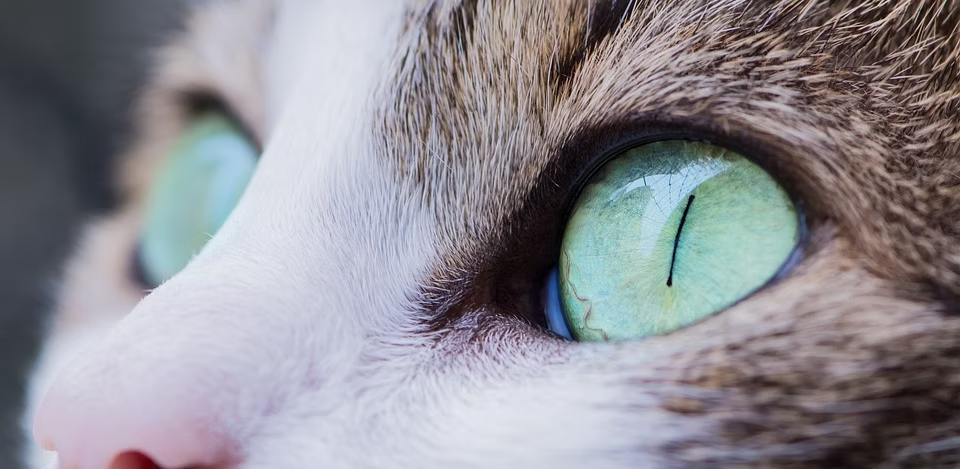
Horner’s syndrome in cats can be alarming, especially if symptoms appear suddenly or affect both eyes. Key symptoms include a noticeably droopy upper eyelid, which may cause your cat’s eye to look partially closed or uneven compared to the other. Cat owners also often observe a constricted pupil, meaning the black center of the eye appears much smaller than normal. The third eyelid, also known as the nictitating membrane, may become more prominent and slide up to cover part of the eye, giving a pinkish or whitish appearance. Additionally, the affected side of the face may seem slightly sunken, and the area around the eye may look less alert or expressive.
These symptoms can develop over hours or days. In some cases, changes may be subtle at first, such as a mild droop or increased third eyelid visibility. For other cats, all the classic signs can appear quickly, leading to significant concern for pet owners. Some cats may also display changes in tear production or show increased sensitivity to light in the affected eye. While Horner’s syndrome itself is typically painless, it can sometimes be accompanied by discomfort if an underlying condition is present.
If you notice any of these signs, particularly if they are new or worsening, it is important to seek a veterinary ophthalmology evaluation as soon as possible. Early detection and diagnosis are essential for identifying the underlying cause and protecting your cat’s long-term vision and comfort. Our Horner's Testing - Diagnostic service for Horner's Syndrome in pets can help provide clarity and peace of mind for concerned cat owners.
What Causes Horner’s Syndrome in Cats?
Understanding what leads to Horner’s syndrome cat owners observe in their pets requires a closer look at feline eye anatomy and neurology. Horner’s syndrome occurs when there is disruption or damage to the sympathetic nerves that control the muscles and tissues around the eye. These nerves travel a long and complex path from the brain, down the neck, and back up to the eye. As a result, the location of the disruption can vary, and so can the possible causes.
In many cases, Horner’s syndrome in cats is classified as “idiopathic,” meaning no definite cause is found even after thorough testing. This is surprisingly common and, in some instances, the symptoms may improve on their own over time. However, there are several known causes that veterinary ophthalmologists consider during diagnosis. Trauma to the head, neck, or chest is one possible factor, such as after an accidental fall, bite wound, or car accident. Middle ear disease, such as a deep ear infection that affects the nerves, can also be responsible. Tumors or masses along the nerve pathway, or severe inflammation from other medical conditions, can occasionally cause similar symptoms.
Because the sympathetic nerve pathway is so long, a wide range of disorders can be involved. Sometimes, even routine veterinary procedures like jugular blood draws or certain medications, although rare, have been associated with temporary development of Horner’s syndrome symptoms in cats. For this reason, a detailed history and comprehensive examination are crucial for accurate diagnosis. Our veterinary ophthalmologist will often recommend advanced diagnostic tests, such as specialized eye examinations, imaging, or ocular ultrasonography if a deeper issue is suspected.
Treatment Options for Horner’s Syndrome in Cats
When it comes to treating Horner’s syndrome cat owners and veterinarians alike face a unique challenge. The primary goal is always to identify and address any underlying cause, as Horner’s syndrome itself is a sign rather than a disease. Our approach at Animal Eye Specialists in Plano is to provide a thorough and compassionate evaluation, beginning with a complete ophthalmic examination by our board-certified veterinary ophthalmologist. This includes assessing your cat’s vision, pupil responses, third eyelid position, and overall eye health.
If the underlying cause is identified, such as an ear infection or mass, targeted treatment is initiated right away. For example, a deep ear infection may require antibiotics and possibly surgical drainage, while a tumor or mass might lead to advanced imaging, surgery, or referral to other veterinary specialists. In many cases, especially when the cause remains unknown, treatment focuses on monitoring your cat’s progress and supporting overall eye comfort. Most idiopathic cases of Horner’s syndrome in cats resolve gradually over several weeks to months, and no specific medication is required. Your veterinary ophthalmologist will provide guidance on protecting your cat’s eye during recovery, including strategies to prevent corneal injury and monitoring for secondary problems.
Throughout the treatment process, regular follow-up examinations are important to ensure that symptoms are improving and no new issues have developed. At Animal Eye Specialists, our complete ophthalmic exam and advanced diagnostic capabilities allow us to offer the highest standard of care tailored to your cat’s unique needs. For more complex or persistent cases, our team may recommend ongoing evaluation or collaboration with your primary care veterinarian to ensure all aspects of your pet’s health are addressed.
Prevention and Home Care for Cats with Horner’s Syndrome
While it is difficult to completely prevent Horner’s syndrome in cats, there are steps you can take to support your pet’s eye health and reduce risk factors. Routine veterinary checkups and prompt attention to ear infections, wounds, or facial injuries can lower the chance of complications that may lead to nerve damage. If your cat is prone to exploring dangerous places or frequently gets into scuffles with other animals, consider ways to minimize hazards in your home or yard.
For cats recovering from Horner’s syndrome, home care includes protecting the affected eye from trauma or dryness. Your veterinary ophthalmologist may suggest using artificial tears or ointments to keep the eye moist, especially if your cat’s blink reflex is reduced. It is also important to monitor your cat closely for changes in behavior, appetite, or overall comfort, and report any new symptoms to your veterinary team right away.
Above all, avoid attempting to treat eye changes at home without veterinary guidance. Over-the-counter products or human medications can cause more harm than good in felines. If you have questions about your cat’s eye health, or if you notice any changes, our team at Animal Eye Specialists is always available to help.
When to Seek Veterinary Ophthalmology Care
Knowing when to seek professional help is vital for the best outcome in cats with eye or neurological symptoms. If you observe a droopy eyelid, smaller pupil, visible third eyelid, or facial changes in your cat, it is time to schedule an evaluation with a veterinary ophthalmologist. Additional warning signs that require immediate attention include sudden vision loss, discharge from the eye, signs of pain such as squinting or pawing at the face, or changes in your cat’s overall behavior and alertness.
Prompt diagnosis is critical, not only for managing Horner’s syndrome but also for detecting more serious underlying problems that may be causing these symptoms. At Animal Eye Specialists, we use a combination of specialized tests and advanced imaging to get to the root of your cat’s eye condition. Our complicated ophthalmic conditions service is designed to address even the most challenging cases, providing both immediate relief and long-term management.
If your primary care veterinarian suspects Horner’s syndrome or another complex eye issue, a referral to our board-certified veterinary ophthalmologist ensures your cat receives the highest level of expertise and care available in Plano and the greater DFW area.
Protect Your Cat’s Vision with Specialized Eye Care in Plano
Horner’s syndrome in cats may look concerning, but with prompt evaluation and expert guidance, most cats experience significant improvement or full recovery. Remember that changes in your cat’s eyes or facial appearance are always worth investigating, as early intervention can make a tremendous difference in their comfort and long-term health. At Animal Eye Specialists, our dedicated veterinary ophthalmology team is here to support you every step of the way, from diagnosis to advanced treatment and follow-up care.
If you are searching for a "veterinary ophthalmology vet near me," look no further than our conveniently located Plano clinic. To discuss your concerns or schedule a comprehensive eye exam for your cat, contact our board-certified ophthalmologist at (972) 845-9948 or visit us at 1545 W Plano Pkwy, Plano, TX 75075. We encourage you to explore our chronic ophthalmic diseases and resources pages for additional information on feline eye conditions.
Your cat’s vision and wellbeing are our top priorities; let Animal Eye Specialists be your trusted partner in advanced feline eye care. If you have noticed signs of Horner’s syndrome cat owners should never ignore, reach out today for the specialized attention your pet deserves.
This blog is intended for informational purposes only and should not be used as a substitute for professional veterinary advice. If your pet is experiencing eye or facial changes, please contact a veterinary ophthalmologist promptly for an accurate diagnosis and treatment plan.