Horner's Syndrome in Dogs: Causes, Symptoms, and Treatment Options

Horner's Syndrome in Dogs: Causes, Symptoms, and Treatment Options
If you have noticed your dog suddenly developing a droopy eyelid, smaller pupil, or a sunken appearance to the eye, you may be feeling concerned and unsure about what is happening. These unusual eye changes can be startling for any pet owner. One possible explanation is Horner's syndrome in dogs, a neurological condition that affects the eyes and often leads to a distinctive set of symptoms. At Animal Eye Specialists, our board-certified veterinary ophthalmologist in Plano, TX is dedicated to providing advanced diagnostics and personalized treatment for complex eye conditions like Horner's syndrome. In this blog, we will explain how to recognize the signs of Horner's syndrome in dogs, discuss the underlying causes, and outline the advanced treatment options available. You will also learn when it is time to seek help from a veterinary ophthalmologist to protect your pet’s vision and comfort.
If you are concerned about sudden or unusual changes in your dog's eyes, our veterinary professionals are here to offer expert care using specialized diagnostics such as Horner's Testing and comprehensive consultations right here in Plano and surrounding communities.
Recognizing the Signs of Horner's Syndrome in Dogs
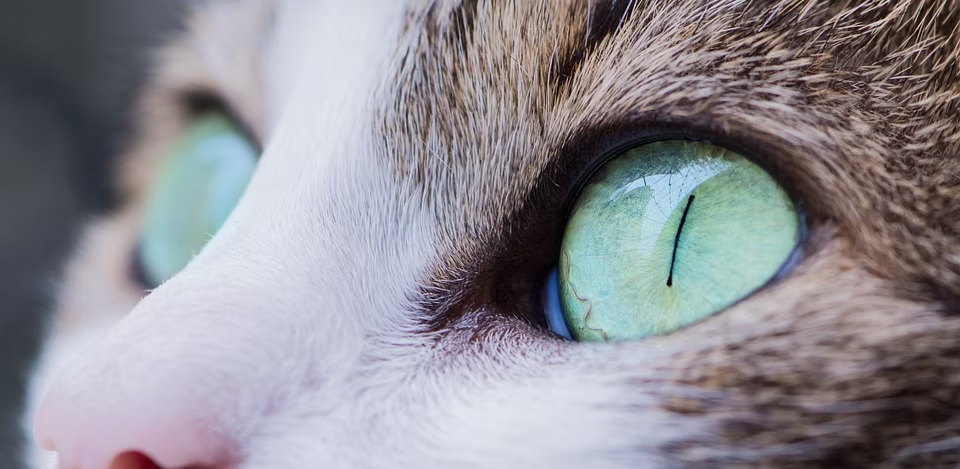
When it comes to your dog's eye health, early detection of unusual symptoms is essential. Horner's syndrome in dogs typically presents with a classic combination of signs that pet owners may notice suddenly, often affecting one side of the face. The most common symptoms include a drooping upper eyelid, which gives the eye a partially closed appearance. You may also observe that the pupil on the affected side is smaller than the other, a condition known as miosis. In addition, the third eyelid (nictitating membrane) may become more visible and may appear as a pink or red film partially covering the eye. Sometimes, the affected eye can appear sunken, and you might notice a mild elevation in the temperature of the skin around that side of the face.
Other subtle changes may include redness of the conjunctiva or a slight difference in the appearance of the fur around the affected eye. Dogs with Horner's syndrome are usually not in pain, but the visible changes can be concerning. It is important to keep in mind that these signs can mimic other serious eye or neurological conditions. If you notice any of these symptoms, especially if they appear suddenly, it is best to seek prompt evaluation from a veterinary ophthalmologist.
Understanding the Causes of Horner's Syndrome in Dogs
Horner's syndrome in dogs occurs when the sympathetic nerve pathway supplying the eye and surrounding facial structures is disrupted. This pathway is lengthy and complex; it starts in the brain, travels down the spinal cord, exits near the chest, and then returns up the neck to reach the eye. Disruption can happen anywhere along this nerve route, and as a result, Horner's syndrome is sometimes classified as idiopathic, meaning the exact cause is not identified.
Common causes of Horner's syndrome include trauma to the head, neck, or chest, such as a car accident or a fall. Ear infections, particularly those affecting the middle or inner ear, can also impact the nearby nerves and result in symptoms. In some cases, tumors or masses in the chest, neck, or brain may be responsible for nerve damage. Surgical procedures or even injections near the neck may occasionally lead to the development of Horner's syndrome. Less frequently, conditions like intervertebral disc disease or inflammatory diseases of the nerves can cause similar signs.
Interestingly, in a significant number of cases, no definitive cause is found, and the syndrome is referred to as idiopathic. Regardless of the cause, a thorough diagnostic workup is critical to rule out more serious underlying problems and to guide appropriate treatment. At Animal Eye Specialists, our team uses advanced diagnostics, including Horner's Testing, slit lamp examination, and ocular ultrasonography as needed to pinpoint the cause and develop a tailored care plan for your dog.
Advanced Ophthalmic Diagnostics and Treatment for Horner's Syndrome
When your dog is referred to Animal Eye Specialists for Horner's syndrome in dogs, you can expect an in-depth evaluation by a board-certified veterinary ophthalmologist. The diagnostic process begins with a complete ophthalmic examination, which may include detailed assessment of both eyes and neurological evaluation of the head and neck. Our team uses specialized tools like the slit lamp and direct or indirect ophthalmoscopy to look for subtle changes in the eye and surrounding tissues.
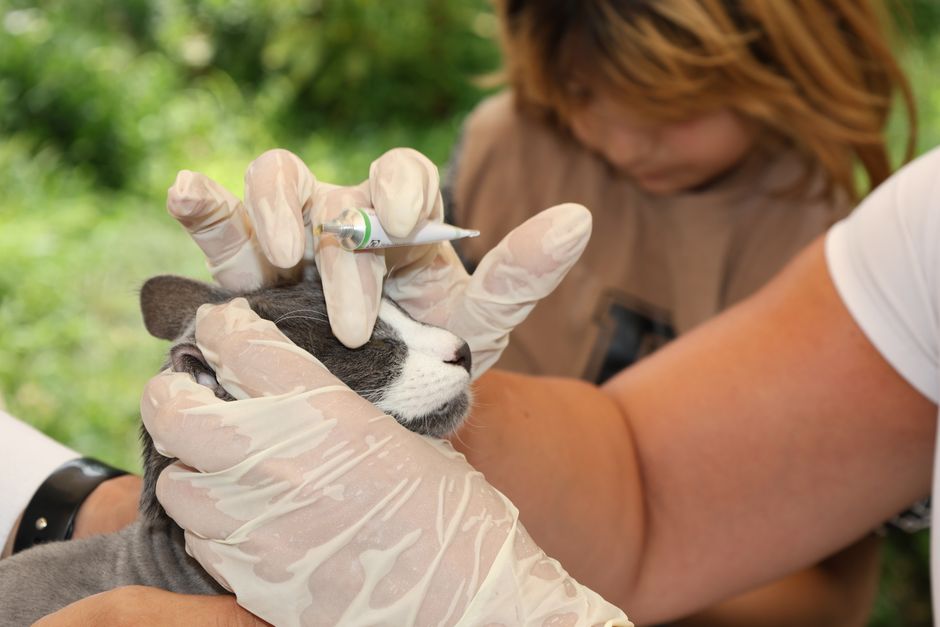
Horner's Testing is a key diagnostic tool used to confirm the syndrome and help localize the site of the nerve disruption. This involves the use of specific eye drops and careful observation of the pupil and eyelid response. Depending on the findings, further diagnostics such as imaging (CT or MRI), chest radiographs, or blood work may be recommended to search for underlying causes.
Treatment for Horner's syndrome depends entirely on the underlying cause. If an ear infection is present, addressing the infection may lead to gradual improvement in symptoms. If trauma is suspected, supportive care and monitoring are crucial as the nerves may heal over time. In cases where a mass or tumor is found, referral for advanced imaging or surgery may be needed. For idiopathic cases, where no cause is identified, many dogs show improvement within several weeks to months without specific therapy; however, close monitoring by a veterinary ophthalmologist is important to ensure no other problems develop.
While Horner's syndrome itself does not usually cause pain, it can be a sign of a more serious underlying disease. That is why advanced care for complicated ophthalmic conditions is a cornerstone of our practice here in Plano. We work closely with your primary care veterinarian and other specialists when needed to ensure your pet receives comprehensive and coordinated care.
Home Care, Monitoring, and Prevention
For pet owners, supporting a dog with Horner's syndrome involves observation and providing a safe, stress-free environment. Since the most common idiopathic cases often resolve on their own, monitoring your dog's symptoms is important. You should keep track of any changes in the appearance of the eyes, eyelids, or third eyelid, as well as behavior or appetite. If your dog is receiving treatment for an underlying infection or injury, make sure to follow your veterinarian’s instructions regarding medications and recheck appointments.
Prevention of Horner's syndrome is not always possible given the many potential causes. However, minimizing the risk of trauma to your dog through the use of harnesses instead of collars, careful supervision during play, and prompt treatment of ear infections can be helpful. Regular check-ups with your primary veterinarian and early referral to a veterinary ophthalmologist when you notice changes in your dog's eyes will help ensure the best possible outcome.
Always avoid trying to treat eye conditions at home without veterinary guidance, as improper care can worsen the situation or delay essential diagnosis. If you have questions about chronic or recurrent eye problems, our team offers advanced solutions for chronic ophthalmic diseases and long-term eye health management.
When to Seek Veterinary Ophthalmology Care
Knowing when to seek specialized care for your dog's eye condition can make a big difference in their comfort and vision. You should contact a veterinary ophthalmologist promptly if your dog develops any of the signs associated with Horner's syndrome in dogs, including sudden drooping of the eyelid, a smaller pupil, or a visible third eyelid. Immediate professional evaluation is especially important if these symptoms are accompanied by changes in vision, pain, or if your dog has experienced recent trauma.
Our veterinary ophthalmologist at Animal Eye Specialists is uniquely qualified to diagnose and manage Horner's syndrome as well as other complex eye diseases. We provide advanced diagnostics, personalized treatment options, and ongoing support to ensure your pet’s long-term ocular health. For pets in Plano and surrounding communities, our Fear Free approach ensures your dog’s visit is as comfortable as possible, minimizing stress during what can be a worrying time for both pet and owner.
If you are searching for a specialty vet near me with expertise in veterinary eye care, Animal Eye Specialists is here to serve as your trusted local resource. Whether you have been referred by your primary care veterinarian or are seeking answers for a new eye concern, we are committed to providing the highest level of care for your companion.
Protecting Your Dog’s Vision: Next Steps
Horner's syndrome in dogs can be alarming, but with early recognition and expert care, most pets recover well and enjoy a good quality of life. The key is timely evaluation by a board-certified veterinary ophthalmologist who can identify the underlying cause, provide advanced diagnostics, and guide you through the treatment process. Our dedicated team at Animal Eye Specialists in Plano, TX is here to answer your questions, support you every step of the way, and deliver compassionate, state-of-the-art care for your pet’s eyes.
If you have noticed any changes in your dog’s eyes or are concerned about symptoms of Horner's syndrome in dogs, do not wait. Contact our veterinary ophthalmology team for a thorough assessment. You can reach Animal Eye Specialists at (972) 845-9948 or visit us at our convenient Plano location. For more information about our services, including Horner's Testing and care for chronic ophthalmic diseases, please explore our website or schedule a consultation today.
Your dog's vision and comfort are our top priorities. Let us help you protect their eye health and give you peace of mind.