Pet Eye Discharge: When to See a Veterinary Ophthalmologist

Pet Eye Discharge: When to See a Veterinary Ophthalmologist
If you have ever noticed unusual or persistent discharge from your dog or cat’s eyes, you are not alone. Eye discharge is a common concern among pet owners in Plano and surrounding communities, especially when it appears suddenly or changes in color and consistency. Knowing when pet eye discharge is a minor issue and when it signals a more serious underlying problem can be challenging. At Animal Eye Specialists, located at 1545 W Plano Pkwy, Plano, TX 75075, our board-certified veterinary ophthalmologist is dedicated exclusively to diagnosing and treating complex eye conditions in pets.
In this blog, you will learn how to distinguish normal from concerning pet eye discharge, what causes these symptoms, and why advanced diagnostics may be needed for a full understanding of your pet’s eye health. We will also explain when it is time to consult a "veterinary ophthalmologist near me" or seek a "specialist vet near me," and how Animal Eye Specialists can provide the specialized care your companion deserves. If you have been searching for pet eye discharge solutions in Plano or wondering about pet ophthalmology services near me, you will find the answers here. For further guidance on recognizing eye disease, you may also want to review our resource on how to know when professional ophthalmology care is needed.
Recognizing the Signs: When Is Pet Eye Discharge a Problem?
Every pet occasionally wakes up with a bit of crust in the corner of their eye or a small amount of clear tearing. However, persistent, colored, or excessive discharge can be a warning sign that something more serious is affecting your pet’s eye health.
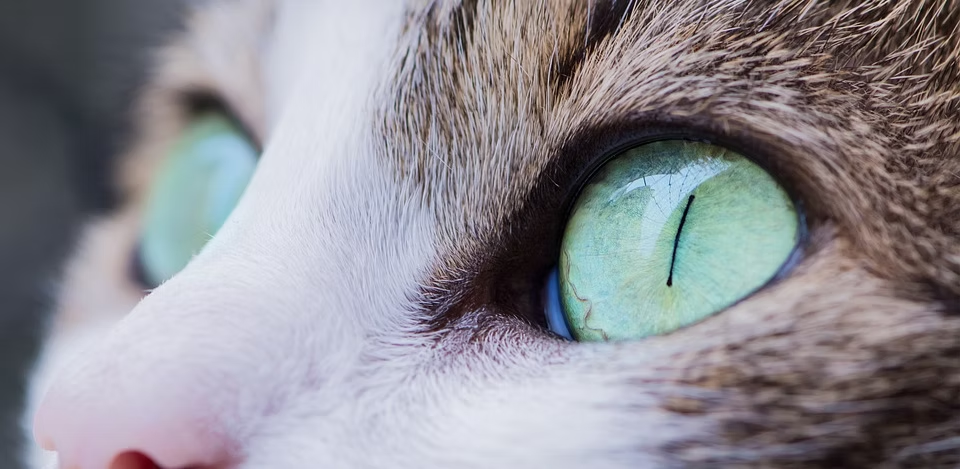
Key symptoms to watch for include thick yellow, green, or white discharge that does not resolve on its own, as well as mucus-like material clinging to the fur around the eyes. Redness, swelling, or squinting in one or both eyes often accompanies abnormal discharge. Other signs that warrant concern are repeated blinking, pawing at the face, visible discomfort, or a sudden change in the appearance of the eye. If you notice an unpleasant odor, blood-tinged discharge, or a cloudy appearance to your pet’s eye, these symptoms should never be ignored.
In some pets, discharge may be accompanied by visible changes in the eye itself such as a bluish haze, loss of vision, or a protruding third eyelid. These signs are especially concerning in breeds predisposed to ocular problems or in older animals. If your pet’s symptoms persist for more than a day or worsen rapidly, it is time to consider contacting a "specialist veterinarian near me" for advanced evaluation. For more thorough information on frequently diagnosed conditions, you can explore our page on common eye diseases in pets.
What Causes Pet Eye Discharge? Understanding the Underlying Conditions
Pet eye discharge can have a wide range of causes, some of which are mild while others can be sight-threatening or even indicate systemic disease. Understanding what leads to abnormal discharge is essential for determining the right course of action.
Common causes of mild discharge include minor irritants such as dust, pollen, or a stray eyelash. Seasonal allergies are a frequent culprit in Plano and the surrounding areas, especially during changes in weather or pollen counts. Some breeds, particularly those with prominent eyes or shallow eye sockets, naturally produce more tears, which can mix with debris and cause a harmless but noticeable discharge.
However, more serious causes of pet eye discharge include infections such as bacterial conjunctivitis, viral diseases, or fungal conditions. Corneal ulcers, trauma to the eye, and foreign objects lodged under the eyelid can all provoke significant discharge, pain, and inflammation. For some pets, dry eye (keratoconjunctivitis sicca) results in thick, sticky discharge due to inadequate tear production. Glaucoma, uveitis, blocked nasolacrimal (tear) ducts, or eyelid abnormalities may also be involved. Additionally, chronic conditions like entropion or distichiasis often require advanced diagnostics and surgical care, which are best managed by a board-certified veterinary ophthalmologist.
If your family veterinarian suspects an underlying issue that is not resolving with routine treatment, or if your pet’s symptoms are complex, they may refer you to a specialty eye care clinic for further investigation.
Advanced Diagnosis and Treatment: What to Expect from a Veterinary Ophthalmologist
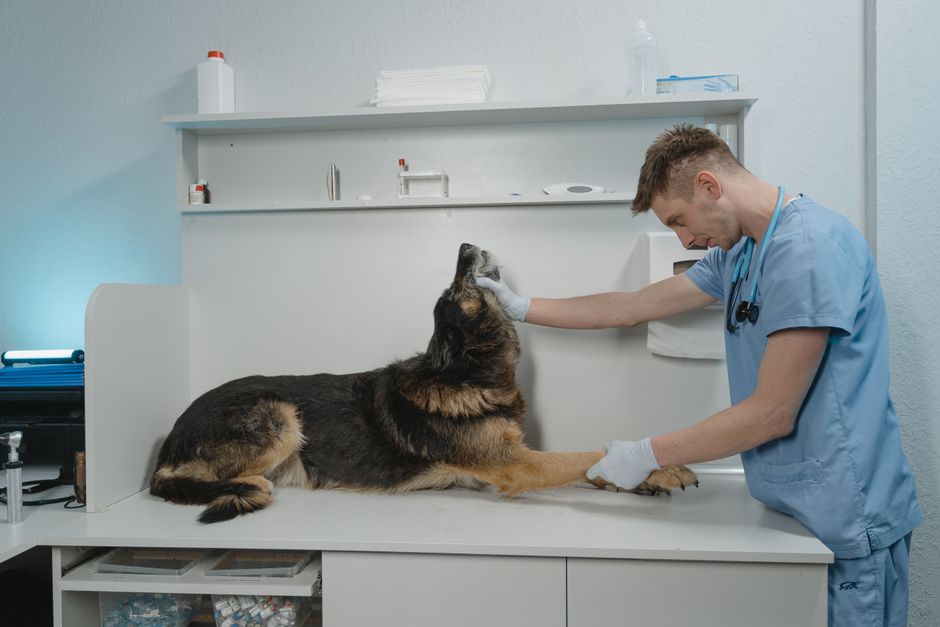
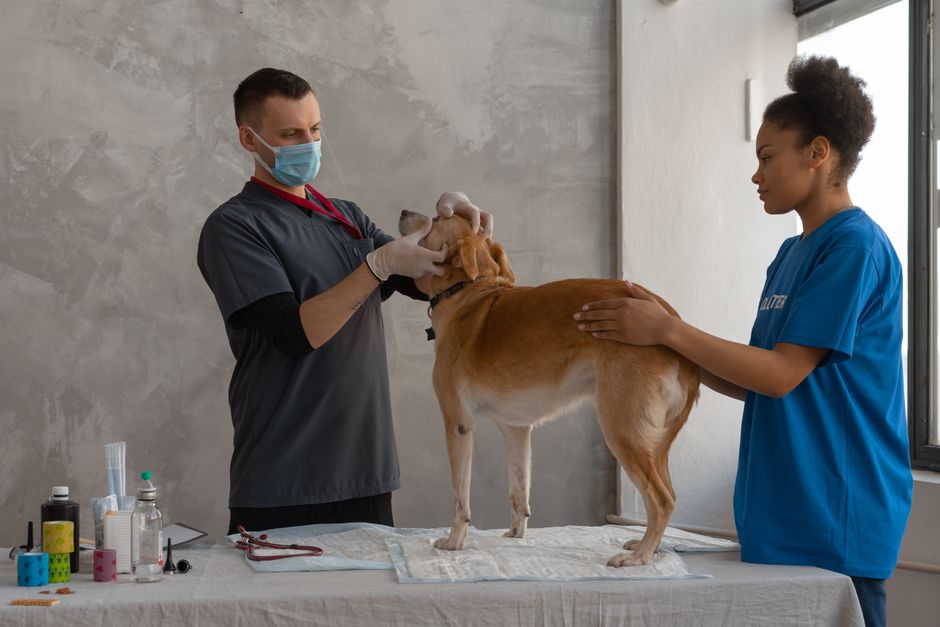
When you bring your dog or cat to Animal Eye Specialists for evaluation of persistent eye discharge, you can expect a comprehensive and compassionate approach led by a board-certified veterinary ophthalmologist. Unlike a standard wellness exam, an ophthalmology consultation involves specialized diagnostic techniques that allow for a detailed assessment of your pet’s ocular health.
The diagnostic process begins with a complete ophthalmic exam, which may include direct and indirect ophthalmoscopy, as well as a slit lamp examination to view fine structures within the eye. These tools can reveal subtle changes in the cornea, lens, and retina that may not be visible during a routine exam. Additional tests such as Schrimer tear testing are often used to measure tear production and diagnose dry eye, a common cause of thick or sticky discharge. When infection or surface disease is suspected, the use of fluorescein staining helps identify corneal ulcers or scratches that may be otherwise hidden.
In more advanced or chronic cases, further diagnostics such as ocular ultrasonography can provide insight into internal eye structures, while tonometry screens for increased intraocular pressure associated with glaucoma. Once a diagnosis is established, treatment options are tailored to the underlying cause. Therapies may include topical or systemic medications, surgical intervention, or long-term management protocols for chronic ophthalmic diseases.
At our Plano clinic, all examinations and procedures are performed in a stress-minimized environment, with attention to each pet’s comfort and emotional wellbeing. Our approach is always individualized, ensuring your pet receives the most advanced and compassionate care available in the region.
Home Care and Prevention: Supporting Eye Health Between Visits
While not all causes of pet eye discharge can be prevented, there are steps pet owners can take to minimize risk and support their pet’s ocular health. Keeping your pet’s face clean by gently wiping away minor discharge with a soft, damp cloth can reduce irritation and prevent buildup. Regularly inspecting your pet’s eyes for early signs of redness, swelling, or excessive tearing helps you catch issues before they become serious.
Ensuring your dog or cat avoids rough play or exposure to irritants such as smoke, dust, or chemical fumes can help protect delicate eye tissues. In Plano’s warm climate, pets spending time outdoors may be more prone to windborne debris and pollen, so consider limiting activities during peak allergy seasons. If your veterinarian prescribes eye medications, always follow dosing instructions carefully and complete the full course as directed.
For breeds at higher risk of eye conditions, such as brachycephalic dogs and cats or those with eyelid abnormalities, regular check-ups with a "veterinary ophthalmologist near me" are a critical aspect of preventive care. Early diagnosis and intervention can help maintain quality of life and reduce the risk of vision loss.
When Should You See a Veterinary Ophthalmologist for Pet Eye Discharge?
Deciding when to escalate care from your family veterinarian to a "specialist vet near me" can be stressful, but some clear guidelines can help. You should seek immediate attention from a veterinary ophthalmologist if your pet displays discharge accompanied by severe redness, squinting, pain, or changes in vision. Sudden swelling, a cloudy or bluish appearance to the eye, or blood in the discharge are also urgent signs. If your pet’s symptoms do not improve within 24 to 48 hours of starting treatment, or if they worsen despite care, it is time to consult a board-certified eye specialist.
Pets with a history of chronic ophthalmic issues, previous eye surgeries, or congenital eye abnormalities benefit from proactive specialty evaluation, even if symptoms seem mild. Early intervention not only protects your pet’s comfort but can prevent irreversible damage to their eyesight.
If you are searching for "pet eye discharge solutions in Plano" or "veterinary ophthalmologist near me," Animal Eye Specialists is here as your trusted referral destination. Our clinic serves Plano and surrounding communities with advanced diagnostics, surgical expertise, and ongoing management for complicated ophthalmic conditions. For more information about the types of issues that may require a specialist, review our guide on complicated ophthalmic conditions in pets.
Compassionate Specialty Eye Care in Plano: Next Steps for Your Pet
Pet eye discharge can range from a minor nuisance to a sign of serious disease, and knowing when to seek expert help is key to protecting your companion’s vision and comfort. If you are concerned about persistent or unusual discharge, our veterinary ophthalmologist and the entire team at Animal Eye Specialists are ready to provide advanced evaluation and personalized treatment in a welcoming, stress-free environment.
Whether your family veterinarian has referred you, or you are searching for answers on your own, we invite you to schedule a consultation at our conveniently located Plano clinic. By choosing a "specialist vet near me" with board certification and a focus on individualized care, you ensure your pet receives the highest standard of ocular health support. Our team is committed to helping pets throughout Plano and nearby communities enjoy clear, comfortable vision.
If you are ready to take the next step or have questions about pet eye discharge in Plano, please call (972) 845-9948 or visit us at 1545 W Plano Pkwy, Plano, TX 75075. To learn more about our diagnostic and treatment capabilities for chronic eye conditions, explore our information on chronic ophthalmic diseases in pets.
Your pet’s eyes deserve the best. Trust Animal Eye Specialists for expert care, clear answers, and ongoing support—because when it comes to your companion’s vision, experience and compassion matter most.
Disclaimer: This blog is intended for informational purposes only and should not replace professional veterinary advice. If your pet is experiencing urgent symptoms or you are unsure about their condition, contact a board-certified veterinary ophthalmologist for evaluation as soon as possible.