Recognizing Sudden Vision Loss in Pets
Recognizing Sudden Vision Loss in Pets: What Plano Pet Owners Need to Know
When your beloved pet suddenly starts bumping into furniture, hesitates at doorways, or seems disoriented in familiar spaces, it can be both alarming and heartbreaking. Sudden vision loss in pets is a true veterinary emergency, and quick recognition can make a profound difference in outcomes. At Animal Eye Specialists, located at 1545 W Plano Pkwy, Plano, TX 75075, our board-certified veterinary ophthalmologist is dedicated to helping dogs and cats across Plano and surrounding communities regain comfort, safety, and, when possible, vision.
This guide will help you recognize the warning signs of sudden vision loss, understand what might cause it, and know what to expect when you visit a veterinary ophthalmologist. We will also discuss steps you can take at home to support your pet, and when to seek immediate specialty eye care. Whether you are searching for a "specialty vet near me" or need expert pet eye care in Plano, our goal is to make sure you have the information and support you need in a stressful moment. If you are unsure whether your pet’s symptoms are related to vision loss, our guidance on recognizing signs of vision loss and eye disease in pets can help clarify your concerns.
How to Recognize Sudden Vision Loss in Pets
Sudden vision loss in pets can appear dramatically or be surprisingly subtle, depending on your dog or cat’s temperament and environment. Key symptoms include walking into walls or objects, hesitating or refusing to go up or down stairs, showing increased anxiety or restlessness, and seeming less responsive to visual cues such as tossed toys or hand signals. Other signs are dilated pupils that don’t respond well to light, bumping into familiar furniture, or a sudden reluctance to go outside, especially at night.
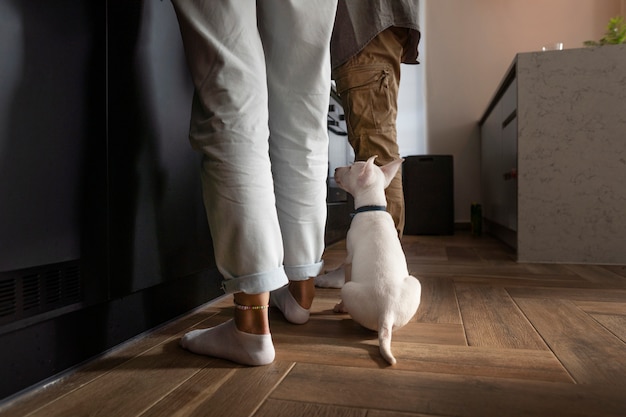
Many Plano pet owners first notice something is wrong when their otherwise confident dog or cat seems confused in new settings, or when a pet that usually follows visual cues starts relying more on their sense of smell or hearing. In some cases, pets may become clingy or vocalize more, seeking reassurance due to their loss of visual information. If you observe any of these changes, it is important to consider the possibility of sudden vision loss, especially if the onset is rapid.
For a more comprehensive overview, our page about the signs of vision loss and eye disease in pets provides practical tips to help you determine if your pet may be experiencing a problem that requires urgent veterinary attention.
Common Causes of Sudden Vision Loss in Plano Pets
Understanding why your pet may lose vision suddenly is key to getting the right treatment quickly. The causes of sudden vision loss in pets can range from eye-specific diseases to systemic illnesses. In Plano and North Texas, our climate and environmental factors sometimes play a role, but most causes are similar to those seen across the country.
In dogs, one of the most common causes is a condition called Sudden Acquired Retinal Degeneration Syndrome (SARDS), which results in the rapid loss of function in the retina. Other causes include acute glaucoma, where a sudden increase in eye pressure damages the optic nerve; retinal detachment, often linked to high blood pressure or trauma; and severe cataracts that cloud the lens rapidly. Infections, inflammation (such as uveitis), and certain toxins or medications can also be responsible.
Cats can experience sudden vision loss from high blood pressure leading to retinal detachment, thromboembolic events (such as blood clots affecting the retina), or severe eye infections. Systemic diseases like diabetes or hyperthyroidism may contribute in some cases. Trauma, whether from an accident or a fall, should also be considered for both species.
Prompt diagnosis is essential because some causes, like acute glaucoma or retinal detachment, can become irreversible within hours or days. Our veterinary ophthalmology clinic is equipped to diagnose and manage these complex eye emergencies, ensuring pets in Plano and the surrounding communities receive the best possible care.
Diagnosing and Treating Sudden Vision Loss with a Veterinary Ophthalmologist
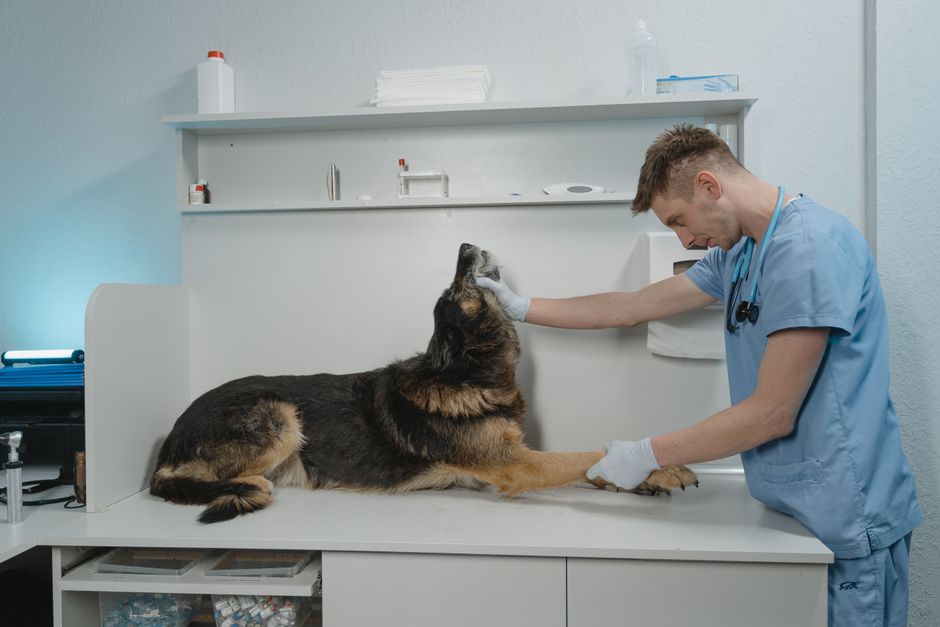
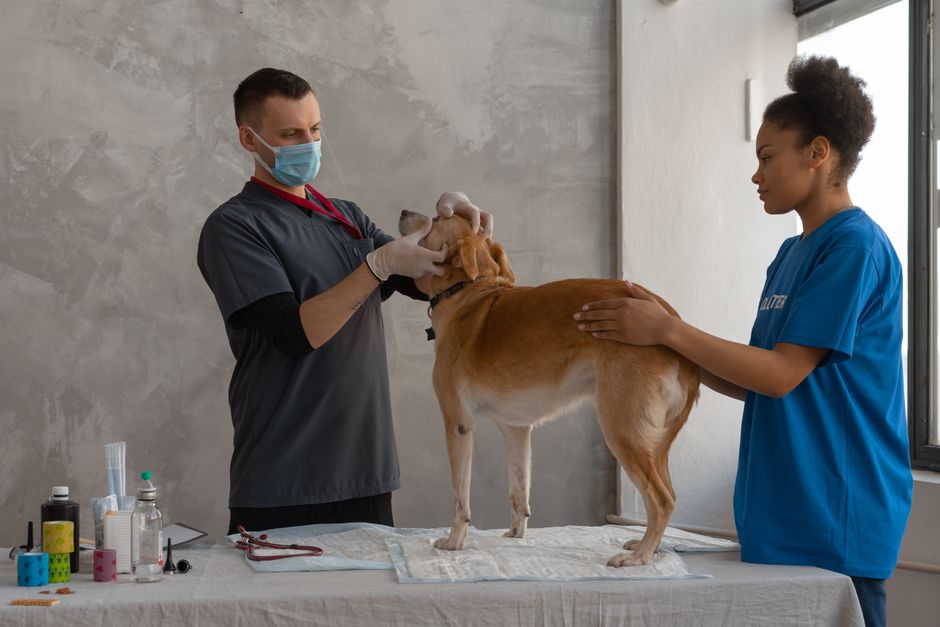
When your pet is suddenly unable to see, a timely and thorough eye examination by a veterinary ophthalmologist is crucial. At Animal Eye Specialists, every pet receives a comprehensive ophthalmic exam performed by a board-certified veterinary ophthalmologist. The diagnostic process involves a detailed medical history, assessment of vision and pupil responses, and a close examination of the external and internal structures of the eye.
Diagnostic tools and tests available at our Plano clinic include slit lamp biomicroscopy to evaluate the cornea and lens, direct and indirect ophthalmoscopy to assess the retina and optic nerve, and tonometry (intraocular pressure testing) for rapid detection of glaucoma. When the retina is involved, electroretinography testing for retinal function in animals can help distinguish between retinal and optic nerve causes. Additional diagnostic approaches, such as ocular ultrasonography, may be used if the back of the eye is difficult to visualize due to cataracts or bleeding.
Treatment for sudden vision loss in pets in Plano depends entirely on the underlying cause. For acute glaucoma, immediate reduction of intraocular pressure is necessary to preserve vision; this may involve medical therapy, laser procedures, or surgery. Retinal detachments from hypertension often require urgent management of blood pressure with the support of your primary care veterinarian or internal medicine specialist. For pets with sudden cataracts, advanced surgical options such as advanced cataract removal surgery to restore vision in pets may be considered, depending on eye health and overall suitability.
Our veterinary team in Plano is committed to guiding you through the diagnosis and treatment process, prioritizing your pet’s comfort and safety. We collaborate closely with your referring veterinarian and other specialists to ensure a complete approach to your pet’s care. If vision cannot be restored, we offer ongoing support and advice for living with a blind pet, and our support resources for blind pets and their owners can help you adjust to your pet’s new needs.
Supporting Your Pet at Home: Prevention and Comfort Strategies
While not all causes of sudden vision loss in pets are preventable, there are steps pet owners can take to reduce risk and maximize a pet’s quality of life. Regular wellness checks with your primary veterinarian, including eye exams, help detect early signs of diseases such as hypertension, diabetes, or glaucoma. Prompt management of chronic health issues can prevent or delay severe eye complications.
At home, if your pet is already experiencing vision changes, maintaining a consistent environment is key. Keeping furniture and food bowls in the same place, using textured rugs as landmarks, and blocking off stairs can help your pet feel safe. For pets with partial vision, improved lighting and minimizing clutter can also be beneficial. In cases where vision loss is permanent, our team can recommend training techniques and environmental modifications to help your pet thrive.
For more in-depth information on managing long-term eye diseases and conditions, you can explore our resources on the diagnosis and medical management of chronic and acute ocular diseases in pets. If you ever feel uncertain about your pet’s comfort, safety, or behavior, reaching out to a "specialist vet near me" like Animal Eye Specialists in Plano is a proactive way to ensure your pet’s wellbeing.
When to Seek Veterinary Ophthalmology Care in Plano
Sudden vision loss in pets should always be treated as an emergency. If your dog or cat is suddenly unable to see, appears disoriented, or is experiencing pain, redness, or swelling of the eyes, immediate veterinary attention is needed. In Plano and surrounding communities, Animal Eye Specialists provides expert care for pet eye emergencies, working alongside your primary veterinarian to deliver the specialized diagnostics and treatments required.
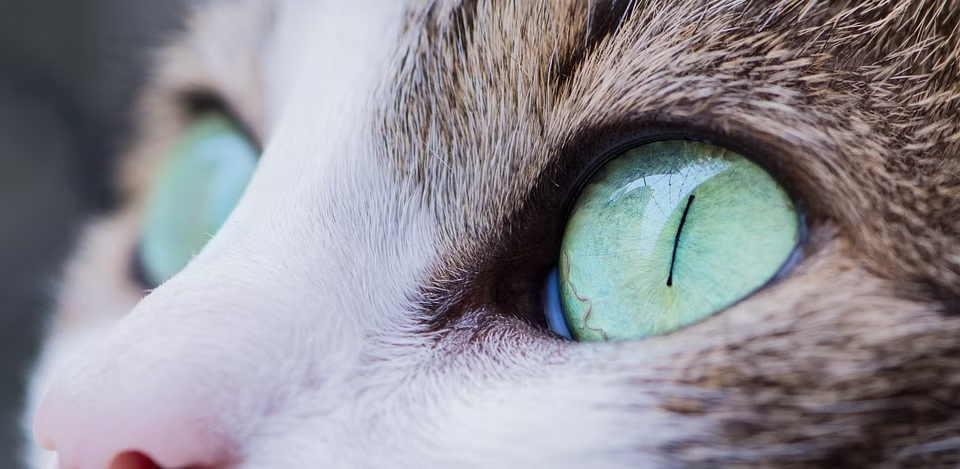
You should seek veterinary ophthalmology care right away if your pet’s symptoms develop within hours or days, if you notice abnormal pupil size or eye color, or if your pet is showing signs of distress such as pawing at the eyes, vocalizing, or hiding. Rapid response can sometimes restore vision that would otherwise be lost forever. Even if vision cannot be recovered, timely management can relieve pain and prevent further complications.
If you are searching for a "specialty veterinarian near me" or need advanced pet eye care in Plano, our board-certified veterinary ophthalmologist is ready to help. Appointments can be made quickly by calling our veterinary professionals, and we are always available to answer questions about your pet’s eye health and treatment options.
Compassionate, Expert Eye Care for Pets in Plano and Surrounding Communities
Sudden vision loss in pets is a frightening experience, but you do not have to face it alone. At Animal Eye Specialists, our veterinary ophthalmology team in Plano is dedicated to providing compassionate, state-of-the-art care for pet eye emergencies and chronic conditions alike. Whether you need a "specialist vet near me" for an urgent problem or ongoing management of a complex eye disease, we are here to support you and your pet at every step.
If you notice your pet bumping into walls, acting disoriented, or showing any signs of sudden vision loss, contact our clinic at (972) 845-9948 or visit us at 1545 W Plano Pkwy, Plano, TX 75075. We are proud to be your trusted veterinary ophthalmology resource for "pet eye emergencies in Plano" and surrounding communities. For further details about our approach to complicated ophthalmic conditions in dogs and cats, or to learn more about the support resources for blind pets and their owners, please explore our website.
Your pet’s eyesight is precious; prompt, specialized care makes all the difference. If you are ever in doubt, reach out to a specialty veterinarian in Plano who understands the urgency and complexity of sudden vision loss in pets. We are committed to your pet’s health, comfort, and happiness—today and every day.
This blog is intended for informational purposes only and does not replace professional veterinary care. Always consult with a board-certified veterinary ophthalmologist or your primary care veterinarian for diagnosis and treatment specific to your pet’s needs.