Spring Allergies and Their Impact on Pet Eye Health
Spring Allergies and Their Impact on Pet Eye Health
As spring arrives in Plano and the surrounding communities, pet owners may notice their dogs or cats experiencing red, watery, or itchy eyes. Seasonal allergies are a common culprit, and they can significantly impact your pet’s eye health and comfort. At Animal Eye Specialists, our board-certified veterinary ophthalmologist and dedicated veterinary team in Plano, TX understand how frustrating it can be to watch your beloved companion struggle with irritated eyes. This blog will guide you through the signs of allergy-related eye problems in pets, explain why these symptoms occur, discuss professional treatment options available at our specialty ophthalmology clinic, and offer tips for protecting your pet’s vision during allergy season. If you are searching for a board-certified ophthalmology vet near me, our veterinary professionals are here to provide advanced, compassionate care for your pet’s eyes.
Recognizing Allergy-Related Eye Problems in Pets
Noticing changes in your pet’s eyes can be alarming. Allergies can present with a range of symptoms, and early recognition is key to preventing more serious issues. Signs that spring allergies may be affecting your pet’s eye health include redness in the whites of the eyes, excessive tearing or watery discharge, frequent squinting or blinking, rubbing or pawing at the face, and a swollen appearance around the eyelids. You might also observe that your pet’s eyes seem more sensitive to light, or that discharge is clear or slightly cloudy rather than pus-like. In some cases, pets may become less playful or withdrawn due to discomfort.
It is important to remember that eye symptoms can have many causes, not just allergies. Conditions such as infections, injury, or underlying diseases can look similar. If your pet’s symptoms are persistent, worsening, or accompanied by additional concerns such as vision changes or severe discomfort, a complete ophthalmic exam by a veterinary ophthalmologist is highly recommended. At Animal Eye Specialists, we use advanced diagnostic tools, including slit lamp examination and direct and indirect ophthalmoscopy, to accurately assess your pet’s eye health and determine the underlying cause of symptoms.
Why Do Allergies Affect Pet Eyes in Spring?
Understanding the cause of your pet’s symptoms can help you take proactive steps to protect their comfort. During spring, plants in the Plano area release pollen, which becomes airborne and can trigger allergic reactions in both people and pets. While many dogs and cats experience seasonal allergies through their skin, it is also common for allergens to irritate the eyes.
When a pet is exposed to pollen or other environmental allergens, their immune system may overreact, causing inflammation in the conjunctiva (the tissue lining the eyelids and surface of the eye). This response leads to the redness, swelling, and discharge associated with allergic conjunctivitis. Certain breeds may be more prone to allergies due to genetic factors, and pets with a history of sensitive skin or chronic allergies are at higher risk. Plano’s windy and variable spring weather can increase allergen exposure, especially for pets who spend time outdoors.
Other environmental factors, such as dust, mold, and even household cleaners, can compound seasonal allergy symptoms. It is also important to note that some eye conditions, like dry eye or corneal ulcers, can be mistaken for allergies; comprehensive testing, such as Schrimer tear testing or fluorescein staining, may be recommended by our veterinary ophthalmologist to rule out other causes and tailor treatment specifically for your pet’s needs.
Advanced Treatment Options for Allergy-Related Eye Conditions
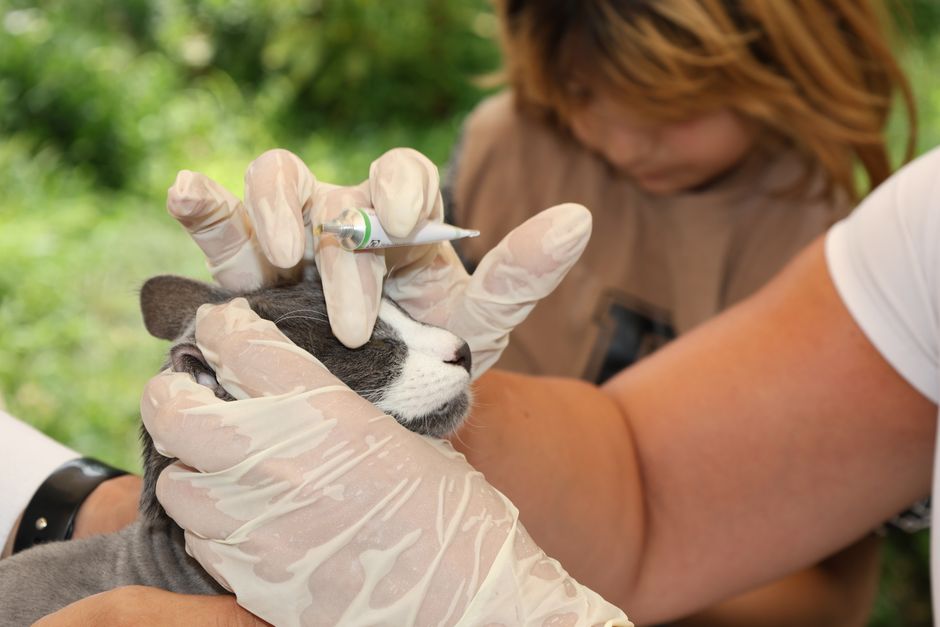
When allergies are affecting your pet’s eyes, prompt and specialized care is essential to restore comfort and prevent complications. At Animal Eye Specialists, our veterinary professionals offer a range of advanced diagnostic and therapeutic options tailored to each pet’s unique situation. Treatment approaches for allergy-related eye issues often involve a combination of targeted topical medications, such as anti-inflammatory eye drops or antihistamines, along with strategies to minimize allergen exposure.
For pets with more severe or persistent symptoms, our board-certified veterinary ophthalmologist may recommend additional therapies based on the results of thorough diagnostic testing. These can include advanced procedures to address secondary infections, specialized lubricating drops for dry eye, and customized management plans for pets with chronic or complicated ophthalmic conditions. Our commitment to delivering a complete ophthalmic exam at every visit ensures that even subtle changes are detected early, allowing for timely intervention.
If your pet has a history of chronic eye problems or has not responded to standard allergy treatments, a referral to our specialty clinic can make a significant difference. We provide ongoing care and support for chronic ophthalmic diseases and complicated ophthalmic conditions, working closely with your primary veterinarian to coordinate the best possible outcome for your pet’s vision and comfort.
Protecting Your Pet’s Eyes at Home During Allergy Season
While professional treatment is crucial for managing allergy-related eye problems, there are several steps you can take at home to help reduce your pet’s discomfort and minimize flare-ups. Keeping windows closed on high pollen days, wiping your pet’s face gently with a damp cloth after outdoor walks, and minimizing exposure to known allergens can be effective strategies. Regularly cleaning bedding and vacuuming your home helps control dust and pollen accumulation.
Bathing your pet more frequently during peak allergy season can also remove allergens from their fur. It is important to use only pet-safe, ophthalmologist-recommended shampoos and to avoid getting soap or water in your pet’s eyes. Providing plenty of fresh, clean water and a balanced diet supports overall eye health and immune function.
Never use over-the-counter human eye drops or medications on your pet without veterinary guidance, as some products can be harmful or worsen symptoms. If your pet wears protective goggles or has a history of eye injury, consult with our veterinary professionals before making changes to their routine. Early intervention and regular monitoring are key to keeping your pet comfortable and healthy throughout the spring.
When to Seek Veterinary Ophthalmology Care
Deciding when to seek specialty care can be challenging, especially with symptoms that appear mild or intermittent. You should schedule a professional evaluation if your pet’s eye symptoms do not improve with basic home care, if redness, swelling, or discharge persists for more than a day or two, or if your pet shows signs of pain such as squinting, reluctance to open the eyes, or pawing at the face. Sudden changes in vision, cloudiness of the eye, or the appearance of ulcers require immediate attention from a veterinary ophthalmologist.
At Animal Eye Specialists in Plano, TX, we are proud to serve as a trusted referral destination for advanced eye care. Our team of board-certified professionals provides comprehensive diagnostics, surgical expertise, and compassionate follow-up care for pets with allergy-related and other ophthalmic conditions. If you are searching for a specialty ophthalmology vet near me, know that your pet’s comfort and vision are our highest priorities. Always consult with a veterinary ophthalmologist before starting any new treatment; timely intervention can prevent long-term complications and preserve your pet’s quality of life.
Supporting Your Pet’s Vision and Comfort This Spring
Spring allergies can make life uncomfortable for pets, but with attentive care and expert support, most allergy-related eye problems can be managed successfully. By recognizing early signs of eye irritation, understanding how seasonal changes impact your pet, and partnering with a board-certified veterinary ophthalmologist, you can help protect your pet’s vision and comfort throughout allergy season and beyond.
If your dog or cat is experiencing red, watery, or itchy eyes this spring, do not hesitate to reach out to our veterinary team at Animal Eye Specialists for guidance and expert care. Our Plano, TX clinic welcomes referrals from primary care veterinarians and works closely with pet owners to deliver personalized, stress-free service. To schedule a complete ophthalmic exam or discuss your concerns with our board-certified veterinary ophthalmologist, call us at (972) 845-9948 or visit our website for more information. For additional resources about pet eye health, explore our detailed information on common eye diseases in dogs and cats. When you are searching for a specialty ophthalmology vet near me, trust Animal Eye Specialists to be your partner in protecting your pet’s eyesight this spring and all year long.
This article is intended for informational purposes only and does not replace professional veterinary advice. If your pet is experiencing eye discomfort or vision changes, consult a veterinary ophthalmologist for a personalized diagnosis and treatment plan.