Understanding Cataracts in Pets: Signs, Diagnosis, and Treatment
Understanding Cataracts in Pets: Signs, Diagnosis, and Treatment
If you have noticed your pet’s eyes appearing cloudy or suspect that their vision is declining, you are not alone. Cataracts are a common condition in dogs and, less frequently, in cats, often leading to vision changes that can be concerning for both pets and their families. At Animal Eye Specialists, located at 1545 W Plano Pkwy, Plano, TX 75075, our board-certified veterinary ophthalmologist offers specialized eye care for pets across Plano and surrounding communities. In this blog, we will guide you through the signs of cataracts in pets, explain what causes them, describe how we diagnose the condition, and outline the advanced treatment options available to help restore your pet’s comfort and vision. Our team is dedicated exclusively to veterinary ophthalmology and provides a personalized, stress-free experience for every patient.
If you are concerned your pet might be developing an eye problem, or simply want to learn what to look for, you are in the right place. We will also share actionable tips for home monitoring and let you know when it is time to seek professional help from a specialty eye vet.
Recognizing the Signs of Cataracts in Pets
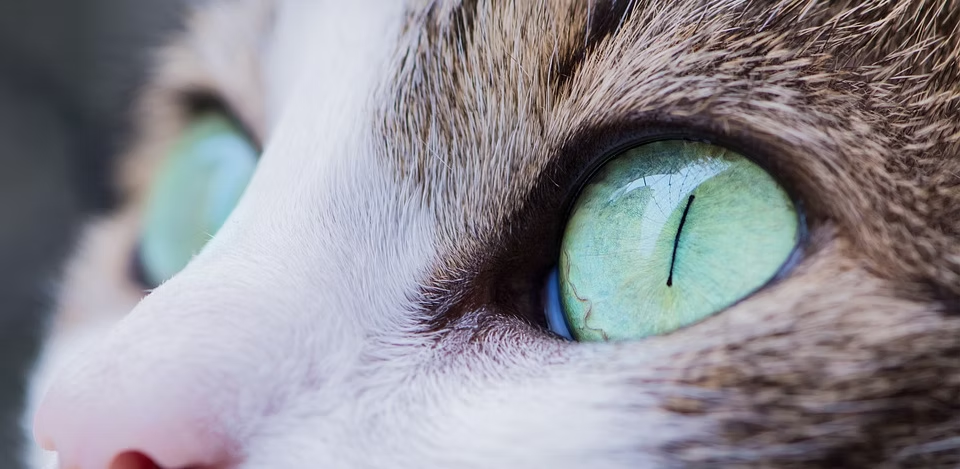
Cataracts affect the lens inside your pet’s eye, causing it to become cloudy, which can interfere with vision. Early recognition is important because timely intervention can help preserve your pet’s quality of life. Signs to watch for include a cloudy or bluish-gray appearance in one or both eyes, trouble navigating familiar spaces, bumping into objects, or hesitancy when going up or down stairs. You might also notice that your pet is startled more easily, especially in dim lighting, or that their eyes reflect light differently in photographs.
For some pets, you may observe more subtle signs such as increased clumsiness or reluctance to play fetch. In dogs, cataracts often progress gradually; however, in some cases, changes can appear rapidly. Cats are less likely to develop cataracts, but when they do, the symptoms are similar and may also include squinting or signs of eye discomfort.
If you are unsure whether your pet’s eye changes signal cataracts or another problem, our How Do I Know? resource provides additional guidance on recognizing eye disease or vision issues in pets.
What Causes Cataracts in Dogs and Cats?
Cataracts can develop for a wide range of reasons, and understanding the underlying cause is a key part of developing an effective treatment plan. In many dogs, cataracts are inherited and may appear as a genetic condition, sometimes even at a young age. Certain breeds, such as poodles, cocker spaniels, and Boston terriers, are more predisposed to hereditary cataracts.
Age-related changes are another common cause, where the lens naturally becomes less clear as pets get older. In some cases, cataracts are secondary to diseases like diabetes mellitus; diabetic pets are especially prone to developing cataracts rapidly due to changes in the lens from altered blood sugar levels. Eye injuries, inflammation within the eye (known as uveitis), and nutritional deficiencies during puppyhood or kittenhood can also play a role, although these are less common.
Cats experience cataracts less frequently than dogs, but when they do, the causes often relate to chronic inflammation or injury rather than genetics. In both species, identifying the cause is crucial since it can influence both prognosis and management.
Diagnosing Cataracts at a Veterinary Ophthalmology Clinic
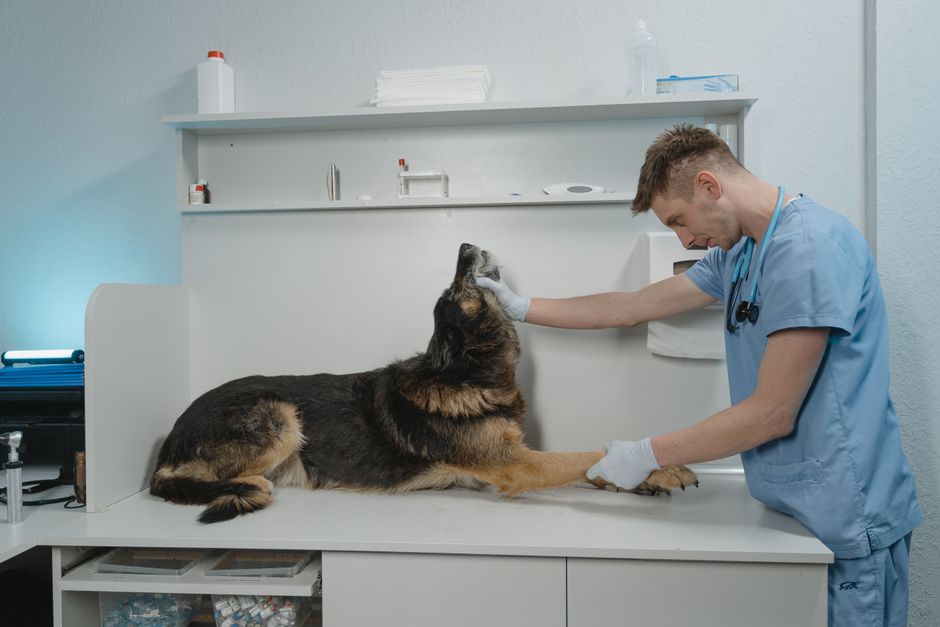
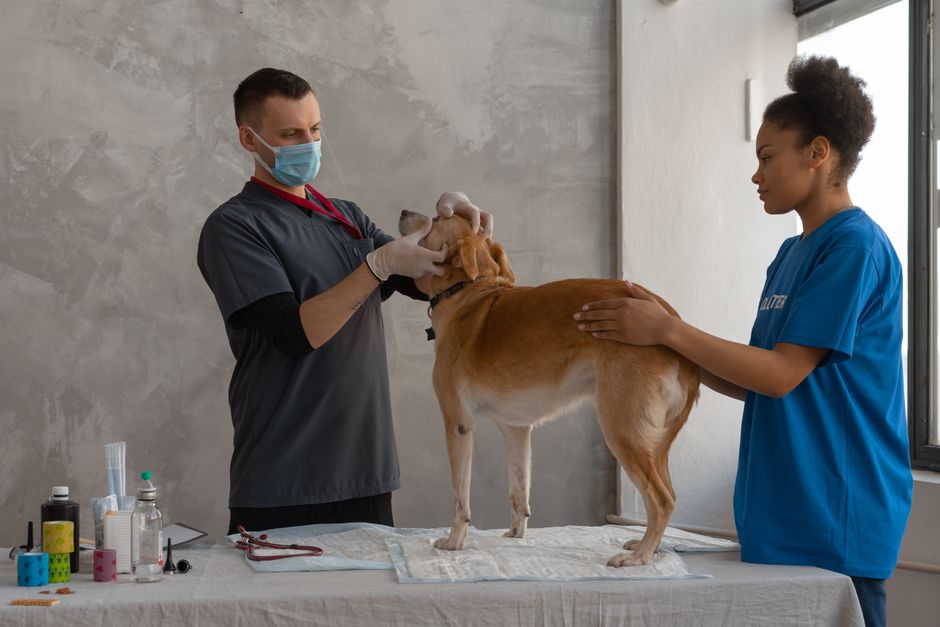
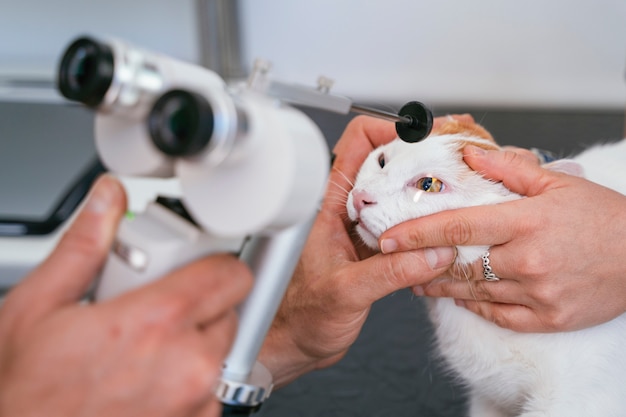
A comprehensive eye examination by a board-certified veterinary ophthalmologist is the gold standard for diagnosing cataracts. At Animal Eye Specialists, we use advanced diagnostic tools to carefully assess the extent and impact of the cataract as well as to rule out other possible conditions. The diagnostic process includes a thorough evaluation of the eye’s internal structures, often using specialized techniques like direct and indirect ophthalmoscopy, slit lamp examination, and intraocular pressure testing (tonometry).
Our veterinary team may also recommend additional tests to assess retinal function, such as electroretinography, especially if surgery is being considered. Determining whether the retina is healthy will help us predict the likelihood of vision improvement after treatment. In diabetic pets, evaluating overall health and blood sugar control is also a crucial step.
A complete ophthalmic exam allows us not only to confirm the presence of cataracts but also to detect other issues, like glaucoma or lens luxation, which can sometimes occur alongside or as a result of cataracts. Our clinic is dedicated to providing a stress-free environment for your pet, using Fear Free techniques to ensure every visit is as comfortable as possible.
Treatment and Management of Cataracts in Pets
Once a diagnosis of cataracts is confirmed, the next step is to discuss treatment options tailored to your pet’s needs. While there is no proven medical treatment to reverse existing cataracts, the most effective option for restoring vision is surgical removal of the cataract. At Animal Eye Specialists, we specialize in advanced cataract surgery, using a technique called phacoemulsification. This procedure involves using ultrasonic energy to break up and remove the cloudy lens, followed by implantation of an artificial intraocular lens to restore clear vision.
The decision to proceed with surgery depends on several factors, including your pet’s overall health, the health of the retina, and the stage of the cataract. For many pets, cataract surgery can dramatically improve quality of life, allowing them to return to normal activities, navigate their environment with confidence, and experience the world with renewed clarity. In some cases, managing underlying conditions, such as diabetes or inflammation, is necessary before surgery can be performed safely.
For pets who are not candidates for surgery or whose vision loss is permanent, our veterinary ophthalmologist will work with you to develop a plan to keep your pet comfortable. Supportive care can include medications to manage inflammation, eye drops to prevent complications such as glaucoma, and advice on adapting your home to help your pet navigate safely. Additional information about living with vision loss can be found in our Blind Pet Support resource.
For those considering surgical intervention, we encourage you to explore our detailed information on cataract removal with intraocular lens implantation, which outlines the procedure, recovery, and expected outcomes.
Caring for Your Pet’s Eyes at Home: Prevention and Monitoring
Although not all cataracts are preventable, there are steps you can take to support your pet’s eye health and identify changes early. Regular veterinary wellness visits are essential, as your family veterinarian can often spot early signs of eye disease and refer you to a veterinary ophthalmologist if needed. Monitoring your pet at home for signs such as squinting, excessive tearing, cloudiness, or changes in behavior is also key.
For diabetic pets, careful management of blood sugar is one of the most important strategies to delay or minimize cataract formation. Feeding a balanced diet, protecting your pet’s eyes from trauma, and addressing any eye injuries promptly can further reduce risk. If your pet has a known predisposition to eye disease, ask your veterinarian about routine screening or breed certification exams.
To help you identify common eye diseases and understand when something may be wrong, our Common Eye Diseases page provides valuable information. Early detection and intervention are the best defenses against vision loss.
When to Seek Veterinary Care for Cataracts
If you notice any signs of vision loss, cloudiness in your pet’s eyes, or changes in their ability to interact with the environment, it is important to seek veterinary care promptly. Cataracts can progress quickly in some cases, especially in diabetic pets, and delaying diagnosis or treatment may increase the risk of complications such as glaucoma or eye inflammation.
A referral to a board-certified veterinary ophthalmologist is recommended for pets with suspected cataracts or other significant eye diseases. Our dedicated ophthalmology clinic in Plano provides specialized diagnostic and surgical care for pets throughout the Dallas-Fort Worth area and beyond. If your veterinarian has referred you for advanced eye care, rest assured that your pet will be evaluated thoroughly and compassionately by our team.
While not all cataracts require immediate surgery, timely assessment ensures that your pet receives the right care at the right time. If you are searching for an eye vet near me, consider choosing a specialty practice with advanced expertise and a commitment to personalized, gentle care.
Supporting Your Pet’s Vision: Next Steps
Cataracts do not have to mean the end of your pet’s active, joyful life. With early recognition, advanced diagnosis, and modern treatment options, many pets can regain comfort and vision. At Animal Eye Specialists, we are dedicated to providing expert ophthalmic care and personalized attention for each patient and their family. Whether you are just noticing changes or have already been referred for advanced treatment, our veterinary ophthalmologist is here to guide you every step of the way.
If you have questions about cataracts or want to schedule an evaluation, please contact our clinic at (972) 845-9948 or visit us at 1545 W Plano Pkwy, Plano, TX 75075. To explore more about cataract surgery and the care we provide, we invite you to read about our advanced cataract removal procedures and review our post-operative treatment and follow-up care services. When you need a specialty eye vet near me, our veterinary ophthalmology team in Plano is ready to help your pet see a brighter future.
Medical Disclaimer: This article is intended for informational purposes only and does not replace professional veterinary advice. If you have concerns about your pet’s eyes or vision, please consult with your family veterinarian or a board-certified veterinary ophthalmologist for an accurate diagnosis and treatment plan.