Winter Pet Eye Health Tips: Plano Veterinary Ophthalmologist Advice
Winter Pet Eye Health Tips: Plano Veterinary Ophthalmologist Advice
As winter arrives in Plano and the surrounding communities, pet owners often notice changes in their pets’ comfort and health. While we tend to think of winter risks as relating to joint stiffness or dry skin, your pet’s eyes can also be especially vulnerable during the colder months. At Animal Eye Specialists, located at 1545 W Plano Pkwy, Plano, TX 75075, our board-certified veterinary ophthalmologist team is dedicated exclusively to advanced eye care for pets. We understand how Plano’s winter climate—marked by cool, dry air and gusty North Texas winds—can contribute to seasonal eye irritation in pets and even exacerbate chronic ophthalmic conditions.
This blog will guide you through common winter pet eye care concerns, recognize the signs that may signal eye discomfort, and provide you with actionable steps for prevention. You will also learn when it’s time to seek the expertise of a veterinary ophthalmologist for your pet’s optimal winter vision wellness. As a specialty eye care resource, Animal Eye Specialists is proud to be the referral destination for primary care veterinarians seeking advanced ophthalmic expertise. If you are searching for a "veterinary ophthalmologist vet near me" in Plano, our clinic offers both routine and advanced diagnostics, including comprehensive ophthalmic exams and specialized treatments tailored to winter eye health needs.
Recognizing Winter Eye Problems in Your Pet
Winter weather in Plano can create a unique set of challenges for your pet’s eyes. Chilly winds, low humidity, and increased indoor heating can all play a role in triggering discomfort or aggravating existing eye conditions. Spotting the early signs of seasonal eye irritation in pets can help you respond quickly and protect your pet’s vision this winter.
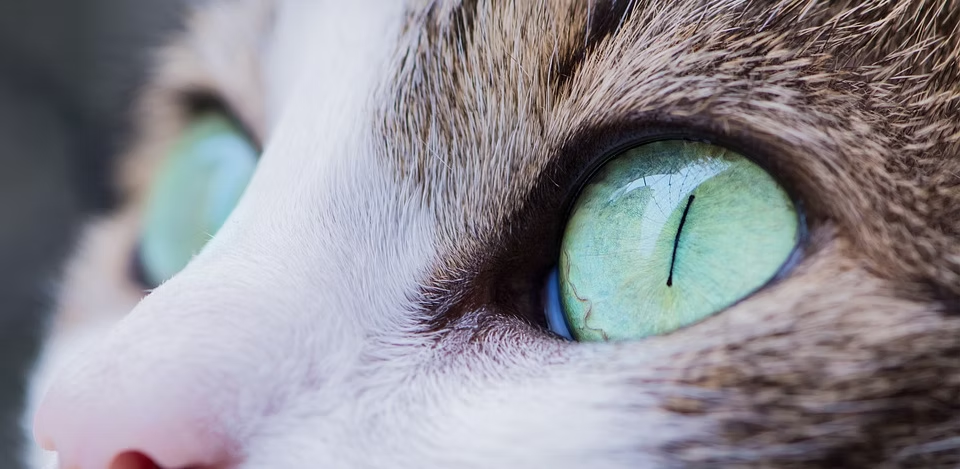
Some of the most common symptoms to look out for include excessive tearing or watery eyes, squinting or frequent blinking, redness or a bloodshot appearance, visible discharge ranging in color from clear to yellow or green, and noticeable rubbing or pawing at the face. Additionally, you may observe cloudiness of the eyes, increased sensitivity to light, or a sudden reluctance to go outdoors. In pets with long hair, debris from dry winter lawns can become trapped around the eyelids, increasing the risk for irritation or infection.
Cats and dogs with a history of chronic eye disease may also show subtle changes, such as a gradual decline in vision, more frequent eye rubbing, or difficulty following toys or treats in lower winter light. If you notice any of these symptoms or suspect your pet’s eye health is changing, especially during colder months, it’s important to monitor closely and seek guidance from a veterinary ophthalmologist vet near me.
Why Do Pets’ Eyes Suffer in Plano Winters?
Understanding the causes of winter pet eye care issues in Plano helps you take proactive steps to keep your pet comfortable. Several environmental and physiological factors combine to make this season challenging for sensitive eyes.
The dry, cold air common in North Texas winter leads to decreased ambient humidity, which can accelerate tear evaporation and promote dryness or “dry eye” syndrome in pets. Indoor heating systems, which we rely on for warmth, further reduce humidity levels indoors, often making symptoms worse. Outdoor wind can carry dust, pollen, or small debris that irritate the delicate surface of your pet’s eyes, particularly after walks or playtime in open areas.
Certain breeds, especially those with prominent or bulging eyes such as Shih Tzus, Pugs, and Persians, are more susceptible to winter eye problems. Pets with pre-existing conditions like keratoconjunctivitis sicca (dry eye), corneal ulcers, or eyelid abnormalities are at greater risk for seasonal flare-ups. Plano’s fluctuating winter temperatures can also cause rapid changes in blood vessel tone, sometimes worsening redness or contributing to increased tearing.
When considering chronic conditions, it is important to note that winter can trigger flare-ups in pets prone to ongoing eye diseases. If you would like to learn more about common chronic ophthalmic conditions, you can explore our page on the diagnosis and treatment of chronic eye diseases in pets.
Professional Treatment and Management: What a Veterinary Ophthalmologist Can Do
If your pet’s eyes are showing signs of seasonal irritation, or if you are concerned about a chronic condition worsening during winter, Animal Eye Specialists provides advanced diagnostic testing and personalized treatment plans. As a board-certified ophthalmology clinic, we offer a range of specialized services that address both acute and chronic eye concerns unique to the winter season.
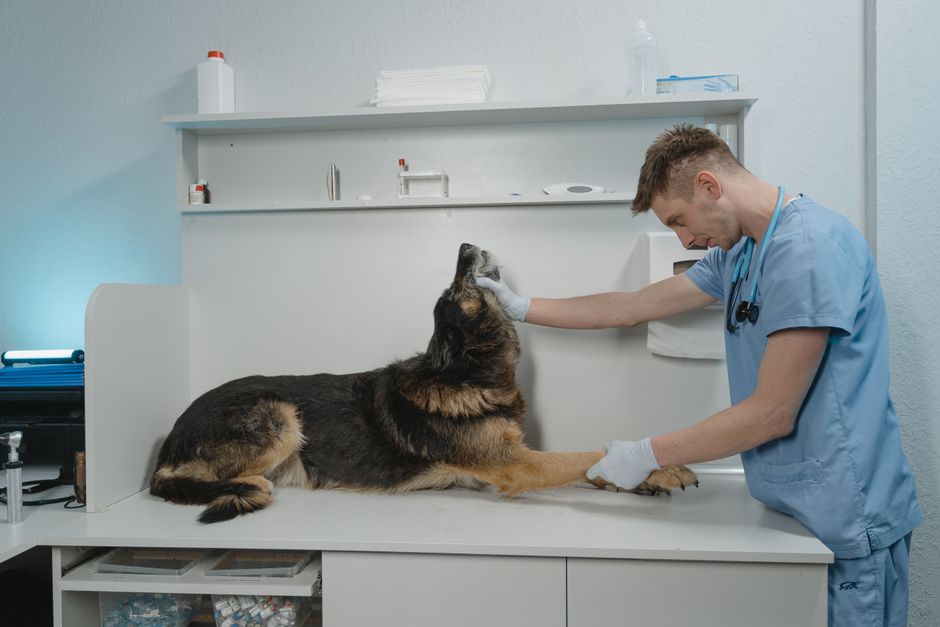
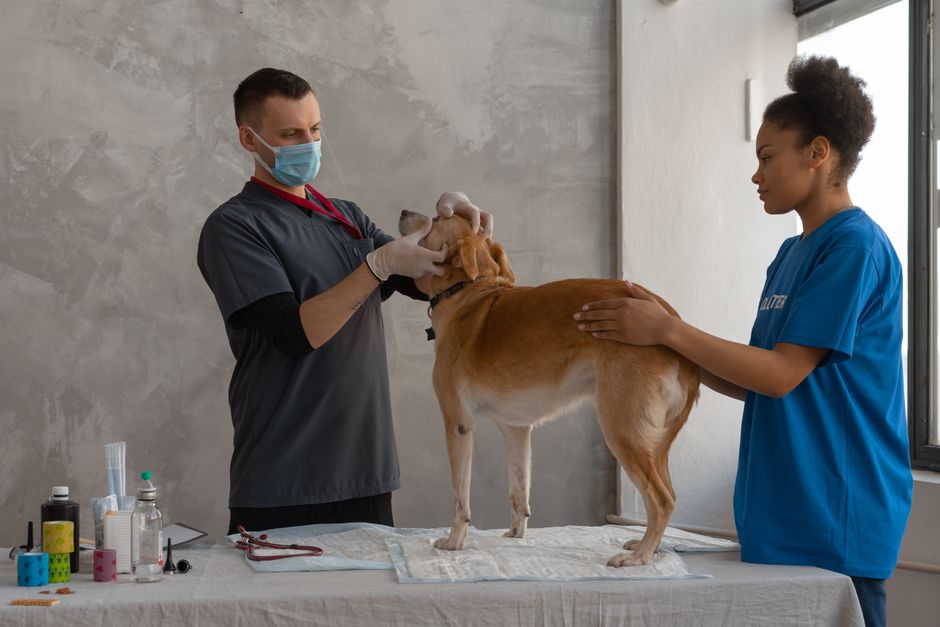
Our approach begins with a complete, Fear Free-based eye examination performed by Dr. Stephanie Beaumont, DACVO. This includes advanced diagnostics such as direct and indirect ophthalmoscopy to assess the back of the eye, and slit lamp examination for a detailed view of the cornea, iris, and lens. For pets with suspected dry eye, we may recommend Schrimer tear testing to accurately measure tear production and determine the severity of dryness.
Treatment options are tailored to the diagnosis and the unique needs of your pet. Management of dry eye may involve specialized tear-stimulating medications, lubricating eye drops, or targeted therapies to reduce inflammation. For pets with corneal injuries or ulcers caused by winter debris or wind exposure, advanced procedures such as corneal repair or the use of protective contact lenses may be indicated. Chronic conditions are often managed with a combination of topical treatments, oral medications, and scheduled follow-ups to monitor progress and adjust care as needed.
In some cases, surgical intervention is required for severe or non-responsive conditions. Our veterinary ophthalmology team is equipped to provide advanced intraocular and extraocular surgeries, including eyelid reconstruction and the removal of tumors or masses affecting the eye. Throughout every step, we prioritize your pet’s comfort and strive to minimize stress, especially during the winter season, when pets may already be coping with environmental changes.
Preventing Seasonal Eye Irritation: Home Care Strategies for Plano Pet Owners
While professional care is essential for managing serious or chronic eye conditions, there are many simple steps you can take at home to reduce the risk of seasonal eye irritation in pets. These strategies are especially important if your pet has a history of eye sensitivity or lives in a household where indoor heating and dry air are common during Plano winters.
Try to maintain optimal indoor humidity levels by using a humidifier in areas where your pet spends the most time. This helps counteract the drying effect of central heating. Regularly clean your pet’s face and the area around their eyes with a soft, damp cloth to gently remove debris or discharge. After outdoor walks, especially on windy days, inspect your pet’s eyes for foreign material and gently rinse with veterinarian-approved saline if needed.
Protecting your pet’s eyes during outdoor activities is also important. Consider using pet-safe eye protection for breeds prone to wind-related irritation, and avoid areas with excessive dust or debris when conditions are especially dry or gusty. Keeping your pet’s hair trimmed around the eyes can help prevent trapping of irritants and reduce the risk of matting or infection.
If your pet requires daily eye medications for a chronic condition, ensure you follow your veterinary ophthalmologist’s instructions consistently, as lapses can lead to winter flare-ups. For more guidance on managing chronic ophthalmic diseases, our page on the diagnosis and treatment of chronic eye diseases in pets provides detailed information.
When to Seek Veterinary Ophthalmologist Care for Winter Eye Issues
While minor, brief irritation may be manageable at home, there are clear situations when professional evaluation by a veterinary ophthalmologist vet near me is warranted. If your pet exhibits persistent redness, squinting, or watery discharge lasting more than a day or two, professional assessment is crucial. Sudden changes in vision, such as bumping into objects, reluctance to move in low light, or visible cloudiness of the eye, should always be treated as urgent.
Other warning signs requiring immediate veterinary ophthalmology attention include pronounced swelling of the eyelids, the appearance of blood or pus in the discharge, or evidence of pain such as vocalizing when the face is touched. Pets with a history of eye surgery, chronic conditions like dry eye or glaucoma, or those currently receiving eye medications should not wait to contact a specialist if symptoms worsen.
At Animal Eye Specialists, our team collaborates closely with your primary care veterinarian to provide advanced diagnostics, targeted treatment, and ongoing management for both acute winter flare-ups and chronic ophthalmic diseases. If you are unsure whether your pet’s symptoms require veterinary ophthalmology evaluation, our online resources on how to tell if your pet needs an ophthalmic evaluation can help you make an informed decision.
Winter Pet Eye Care in Plano: Your Local Veterinary Ophthalmologist Resource
Plano’s winter weather brings special challenges, but with a proactive approach and the right support, your pet can enjoy the season in comfort and safety. Recognizing the signs of seasonal eye irritation in pets, understanding the unique risks posed by our climate, and knowing when to seek the care of a veterinary ophthalmologist vet near me are key to ensuring your pet’s vision health.
If you have concerns about winter pet eye care Plano or want reassurance regarding a chronic condition, our veterinary ophthalmologist team at Animal Eye Specialists is here to help. We welcome referrals from your primary veterinarian and provide a full spectrum of ophthalmic diagnostics and treatments, including slit lamp eye examination and advanced chronic eye disease management. Our Plano clinic proudly serves local and surrounding communities, offering compassionate, Fear Free-based care tailored to each pet’s unique needs.
To schedule a consultation or learn more about specialized eye care in winter, call (972) 845-9948 or visit us at 1545 W Plano Pkwy, Plano, TX 75075. Our veterinary ophthalmologist vet near me services are trusted by pet owners and referring veterinarians throughout the region. For additional resources, visit our pet owner resources page or explore our information on common eye diseases in pets. Your pet’s vision is our passion—let us help you keep them happy, healthy, and seeing clearly all winter long.
Medical Disclaimer: This blog is intended for informational purposes only and should not replace professional veterinary advice. Always consult with a qualified veterinary ophthalmologist for specific concerns about your pet’s eye health.