Cataract Surgery for Pets: Choosing a Board-Certified Specialist
Cataract Surgery for Pets: Choosing a Board-Certified Specialist
Cataracts can dramatically affect your pet’s quality of life, leaving them disoriented and less able to enjoy daily activities. If your dog or cat has been diagnosed with cataracts, you are likely seeking the safest and most effective option for restoring their vision. At Animal Eye Specialists, a board-certified veterinary ophthalmology clinic in Plano, TX, we understand how important your pet’s sight is to both you and them. Our clinic is dedicated exclusively to advanced eye care for pets, serving Plano and surrounding communities across the Dallas-Fort Worth area. In this guide, we will walk you through what makes cataract surgery for pets different when performed by a board-certified specialist, why choosing a veterinary ophthalmologist matters, and how our team ensures every patient receives personal, compassionate care. Whether you are worried about your dog’s cloudy eyes or your cat struggling to find their favorite spot, this article will help you make an informed decision about your pet’s care, including when to seek out cataract surgery for pets.
Recognizing Cataracts in Pets: Know the Signs
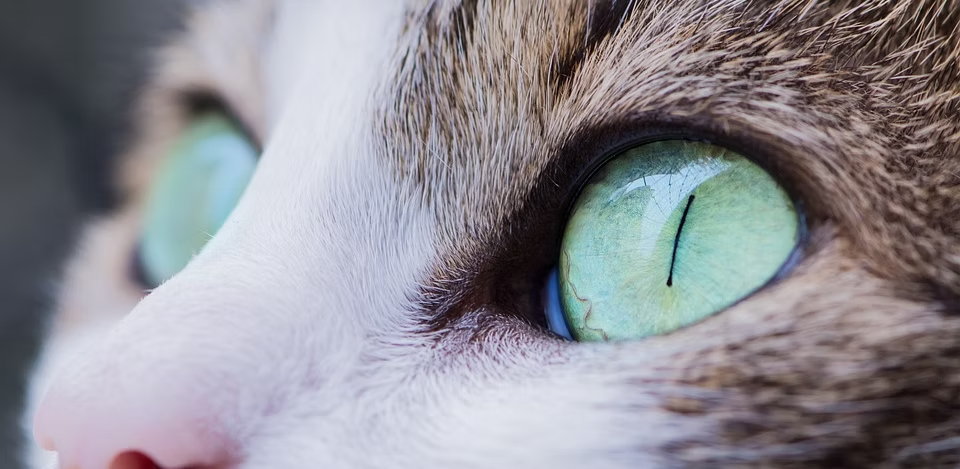
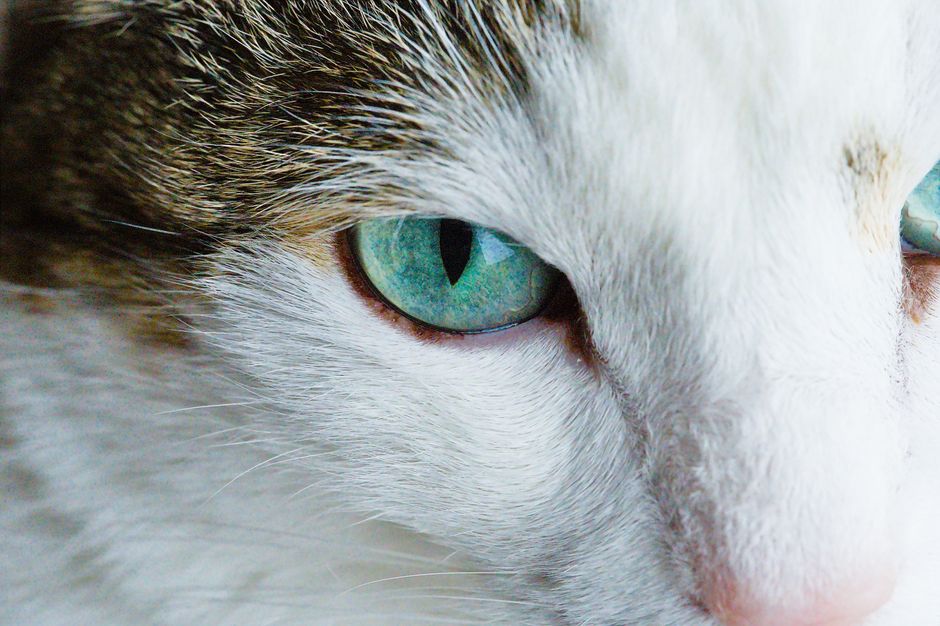
Many pet owners first notice something is wrong when their dog or cat starts bumping into furniture or hesitates at stairs. Cataracts often present as a noticeable cloudiness or bluish-white hue within the eye, sometimes making the pupil look almost opaque. Key symptoms include changes in vision, such as your pet becoming more cautious in new environments, struggling to catch toys, or appearing startled by sudden movements. Additionally, you may observe increased clumsiness, difficulty finding food or water bowls, or a reluctance to go outside at night. In dogs, cloudy eyes are a common sign that can sometimes be mistaken for other conditions. You can read more about how to differentiate between cataracts and other causes of eye cloudiness in dogs in our guide on dog cloudy eyes, cataracts, and corneal degeneration. For cats, behavioral changes tend to be more subtle, but many owners notice their cat having trouble jumping onto favorite windowsills or navigating dim rooms. If you see any of these signs, it is essential to consult with a veterinary ophthalmologist for an accurate diagnosis and treatment plan.
What Causes Cataracts in Dogs and Cats?
Cataracts develop when the normally clear lens inside the eye becomes opaque, preventing light from reaching the retina. In pets, the most common causes include inherited genetic factors, especially in certain dog breeds, and age-related changes. Diabetes is another significant risk factor, particularly in dogs; sudden cataract formation can occur in diabetic pets, sometimes within days or weeks. Traumatic injuries to the eye, chronic inflammation, and some nutritional imbalances may also contribute to cataract development. In cats, cataracts are less frequently inherited and more often linked to underlying health issues, such as chronic uveitis or inflammation. Some medications or systemic diseases can also play a role. Understanding the underlying cause is critical, as it can influence both prognosis and treatment options. Our team at Animal Eye Specialists performs a thorough diagnostic evaluation before recommending surgery, ensuring that any concurrent diseases are identified and managed to provide the best possible outcome for your pet.
Advanced Cataract Surgery for Pets: What to Expect
When it comes to restoring vision lost to cataracts, surgery is often the only effective treatment. At Animal Eye Specialists, we utilize state-of-the-art techniques for cataract removal, including phacoemulsification with intraocular lens implantation. This is the same advanced procedure used in human medicine, adapted for the unique needs of dogs and cats. The process involves using ultrasonic energy to break up and remove the cloudy lens material, followed by placement of an artificial lens to restore focusing ability. Every patient receives a complete ophthalmic exam from our board-certified veterinary ophthalmologist, ensuring a tailored treatment plan and the highest standard of safety. Pre-surgical evaluations include detailed eye examinations, advanced imaging, and sometimes electroretinography to assess retinal health. During the procedure, our veterinary team uses specialized equipment to minimize trauma, reduce risk, and promote faster recovery. Comprehensive follow-up care is essential, as pets require careful monitoring and medication to prevent complications and support healing. You can learn more about our surgical approach and view real patient outcomes in our eye treatment case photos.
Why Choose a Board-Certified Veterinary Ophthalmologist?
Not all veterinarians are trained to perform cataract surgery for pets. Board-certified veterinary ophthalmologists like Dr. Stephanie Beaumont, DACVO, have completed extensive training beyond veterinary school and passed rigorous examinations in animal eye health and surgery. This level of expertise means your pet benefits from advanced diagnostic skills, specialized surgical techniques, and the ability to manage complex or high-risk cases. Our clinic is exclusively focused on ophthalmology, enabling us to deliver the most up-to-date, research-based care. We work closely with your primary care veterinarian to ensure seamless communication and continuity of care. Choosing a board-certified specialist increases the likelihood of a successful outcome and reduces the risk of complications, giving your pet the best chance to regain their vision safely.
Caring for Your Pet Before and After Cataract Surgery
Preparing your pet for cataract surgery involves several important steps. Prior to surgery, our veterinary ophthalmologist will provide detailed instructions, which may include administering prescribed medications, adjusting your pet’s routine, and monitoring for any changes in general health. Ensuring your dog or cat arrives for surgery in good overall health is important, as underlying illnesses can affect anesthesia and recovery. After surgery, pets require attentive home care to ensure a smooth healing process. Owners should expect to administer eye drops or oral medications as directed, prevent their pet from rubbing or scratching at the eye, and use an Elizabethan collar if recommended. Follow-up appointments are essential to monitor healing, adjust medications, and address any concerns. Recovery times can vary, but most pets begin to show improved vision within days, with full healing typically achieved over several weeks. Our veterinary team is always available to answer questions and provide support throughout this journey.
Preventing Vision Loss and Supporting Eye Health at Home
While not all cataracts can be prevented, there are proactive steps you can take to support your pet’s eye health. Regular veterinary check-ups allow for early detection of lens changes or other eye conditions. For diabetic pets, maintaining stable blood sugar levels can help reduce the risk of rapid cataract formation. Protecting your dog or cat from eye trauma, such as by avoiding rough play with sharp objects, also plays a role. Monitor for any signs of eye discomfort, redness, discharge, or changes in pupil appearance, and seek prompt veterinary attention if these occur. Providing a safe, obstacle-free environment at home can help pets with impaired vision navigate more easily. For additional information on recognizing and managing common eye diseases in pets, visit our educational resources on pet eye diseases.
When to Seek Veterinary Ophthalmology Care
If you notice any signs of vision loss, cloudiness, or behavioral changes related to your pet’s eyes, it is important to schedule a comprehensive evaluation as soon as possible. Early intervention increases the chances of preserving vision and can prevent complications such as inflammation or glaucoma. Pets with existing health conditions like diabetes, or those who have experienced eye injuries, should receive regular ophthalmic examinations to catch issues before they progress. Only a board-certified veterinary ophthalmologist can determine whether your pet is a candidate for cataract surgery and what the most appropriate next steps are. Do not delay seeking specialized care if your pet is showing signs of eye pain, sudden blindness, or abnormal eye appearance. Our clinic in Plano, TX welcomes referrals from general practitioners and works closely with you and your family veterinarian to ensure the best outcome for your pet.
Why Animal Eye Specialists is the Right Choice for Cataract Surgery for Pets
At Animal Eye Specialists, we know that trusting someone with your pet’s vision is a significant decision. Our commitment to compassionate, individualized care begins with your first visit and continues through every stage of diagnosis, surgery, and recovery. As an independently owned specialty clinic, we provide a stress-free, Fear Free-based environment designed to keep your pet comfortable. Every examination and procedure is performed by a board-certified veterinary ophthalmologist, ensuring the highest level of expertise. We use advanced surgical technology and follow strict safety protocols, giving your dog or cat the best possible chance to regain their sight. Our clinic is conveniently located in Plano, making us accessible to families across the Dallas-Fort Worth area and beyond. When searching for a specialty vet near me, it is essential to choose a practice with focused expertise, advanced capabilities, and a proven track record in cataract surgery for pets.
If you are ready to take the next step or simply want more information about restoring your pet’s vision, reach out to our team of veterinary ophthalmology professionals at Animal Eye Specialists. You can call us at (972) 845-9948 or visit us in person at 1545 W Plano Pkwy, Plano, TX 75075. For a detailed overview of our surgical services, including what to expect before, during, and after the procedure, we encourage you to explore our page on cataract surgery for pets. Your pet’s vision and comfort are our highest priorities, and our veterinary ophthalmology team is here to support you every step of the way.