How to Spot Early Signs of Glaucoma in Pets
How to Spot Early Signs of Glaucoma in Pets
When it comes to your dog or cat’s eyesight, early intervention can make a world of difference. Glaucoma is a serious eye condition and one of the leading causes of irreversible blindness in pets. Recognizing the early signs and seeking specialized care quickly can help preserve your pet’s vision and comfort. At Animal Eye Specialists, a board-certified veterinary ophthalmology clinic in Plano, TX, our team is dedicated exclusively to advanced eye care for dogs and cats throughout Plano and surrounding communities. In this blog, we’ll help you understand how glaucoma develops in pets, highlight the warning signs to watch for, and explain why a prompt diagnosis by a board-certified veterinary ophthalmologist is essential for long-term vision and quality of life.
You’ll learn what glaucoma is, what causes it in dogs and cats, how to spot the earliest changes at home, and what to expect if your pet is referred to our veterinary ophthalmology team. We’ll also share how specialized diagnostic tools, such as tonometry and gonioscopy, play a vital role in early detection and ongoing management. If you ever notice changes in your pet’s eyes or vision, understanding when to seek help could save their sight. Let’s get started by exploring how you can recognize glaucoma before it progresses.
Understanding Glaucoma in Dogs and Cats
Glaucoma is a condition that results from increased pressure inside the eye, known as intraocular pressure. This pressure damages the optic nerve and can quickly lead to pain and permanent blindness if left untreated. In dogs and cats, glaucoma can develop suddenly or progress slowly over time, making early recognition crucial. While the disease can affect any breed or age, certain breeds are more predisposed, such as Cocker Spaniels, Basset Hounds, and Siamese cats.
The underlying cause often stems from poor drainage of the fluid (aqueous humor) that fills the eye. When this fluid cannot exit normally, pressure builds up and damages delicate eye structures. Sometimes, glaucoma is secondary to other eye problems, such as cataracts, lens luxation, or chronic inflammation. Understanding these causes is important because it highlights why a thorough examination by a veterinary ophthalmologist is so valuable. Every case is unique, and early diagnosis can dramatically impact your pet’s prognosis.
Spotting the Early Signs of Glaucoma in Your Pet
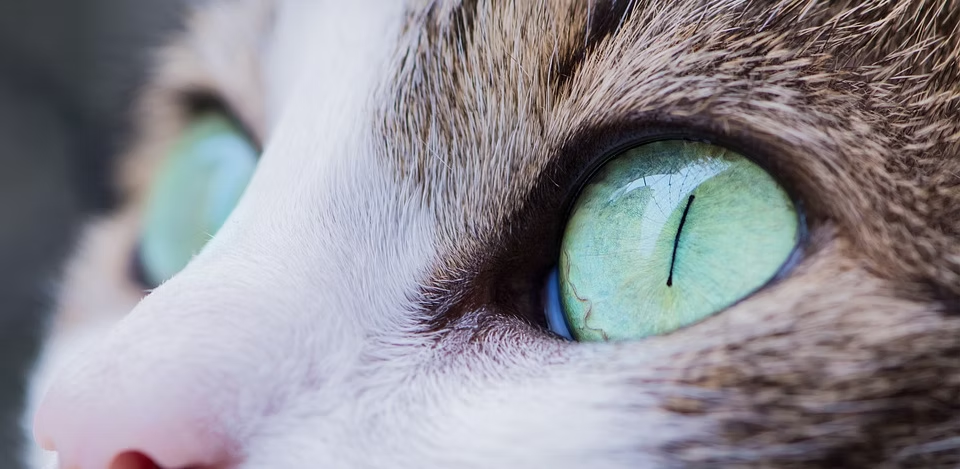
The earliest signs of glaucoma are often subtle, making them easy to overlook in busy daily life. However, being alert to these changes gives your pet the best chance at preserving their vision. Early symptoms include redness of the white part of the eye (sclera), squinting or increased blinking, and a noticeable cloudiness or bluish haze to the cornea. You may also observe that your pet’s eye seems larger or more prominent than usual, or that the pupil is dilated and does not respond to light as it should.
Behavioral changes are another important clue. If your dog or cat starts bumping into objects, hesitates to jump or navigate stairs, or acts unusually withdrawn, these could be signs of vision loss from glaucoma. Pain is common and may be expressed through pawing at the face, decreased appetite, or hiding. In some cases, symptoms can appear suddenly and progress rapidly, especially in dogs prone to acute glaucoma. If you’re concerned about any of these signs, you can find more information about red eyes in dogs, including glaucoma and other possible conditions or red or pink eyes in cats and related ocular conditions on our website.
Because glaucoma may not cause obvious discomfort until significant damage has occurred, regular observation of your pet’s eyes is essential, especially if they are at higher risk. Early intervention is always the best strategy.
What to Watch for at Home
Key symptoms to look for include persistent redness, cloudiness, or changes in the shape or size of the eye. Additionally, if your pet suddenly avoids light, is reluctant to play, or shows any signs of vision loss, these may all be early indicators of glaucoma. Monitoring your pet’s behavior and appearance closely can help you detect changes before the disease progresses.
What Causes Glaucoma in Pets?
Understanding the underlying causes of glaucoma helps explain why early and accurate diagnosis by an ophthalmology specialist is so important. In dogs and cats, glaucoma develops when the eye’s drainage system becomes blocked or inefficient. This can occur due to inherited anatomical abnormalities, which are especially common in certain breeds. Primary glaucoma is most often genetic and affects both eyes, though not always at the same time.
Secondary glaucoma, on the other hand, results from another eye disease or injury. Common triggers include advanced cataracts, lens luxation (when the lens moves out of place), inflammation (uveitis), or trauma. Infections, tumors, and chronic eye conditions can also disrupt the normal flow and drainage of fluid. In cats, glaucoma is most frequently secondary, often linked to long-standing inflammation or other underlying eye issues.
Because the causes can be complex and may involve more than one condition, the expertise of a board-certified veterinary ophthalmologist is invaluable. Our specialized team at Animal Eye Specialists uses advanced diagnostic tools to pinpoint the cause and develop a tailored treatment plan for your individual pet.
How Veterinary Ophthalmologists Diagnose Glaucoma
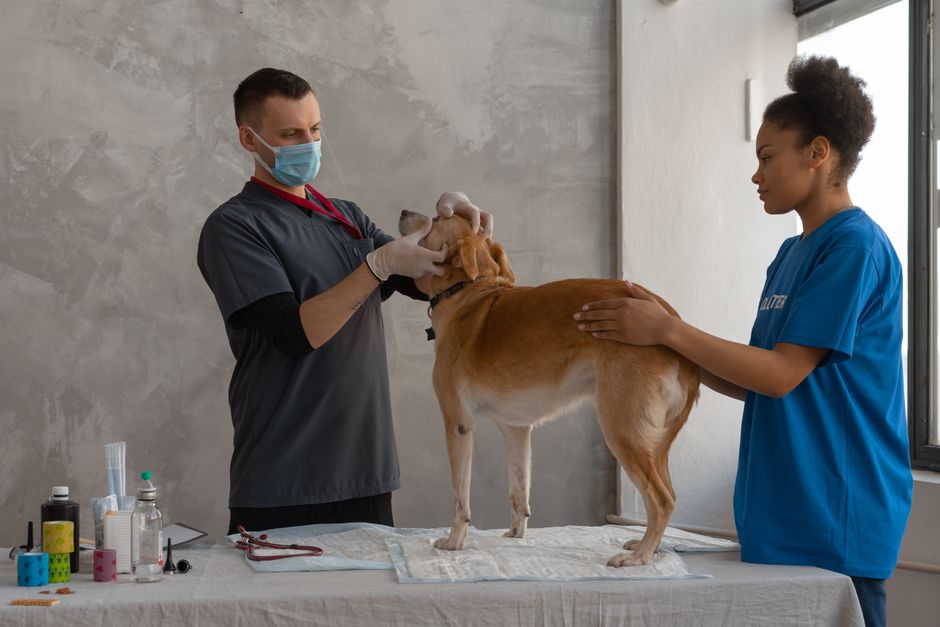
When your pet is referred for possible glaucoma, our ophthalmology team performs a comprehensive eye examination using specialized equipment. The process typically begins with careful observation and measurement of intraocular pressure. Tonometry and intraocular pressure testing are essential tools for diagnosing glaucoma early, often before permanent damage occurs.
Gonioscopy is another advanced diagnostic procedure that allows us to examine the drainage angle inside your pet’s eye and assess their risk for developing glaucoma. You can read more about gonioscopy and its role in evaluating glaucoma risk on our site. Additional tests, such as slit lamp examination, ocular ultrasound, or imaging studies, may also be recommended to fully evaluate the eye’s structure and function.
Our board-certified veterinary ophthalmologist, Dr. Stephanie Beaumont, will explain each step of the process so you know what to expect. Early diagnosis gives your pet the best chance for successful management and long-term comfort.
Treatment and Management of Glaucoma in Pets
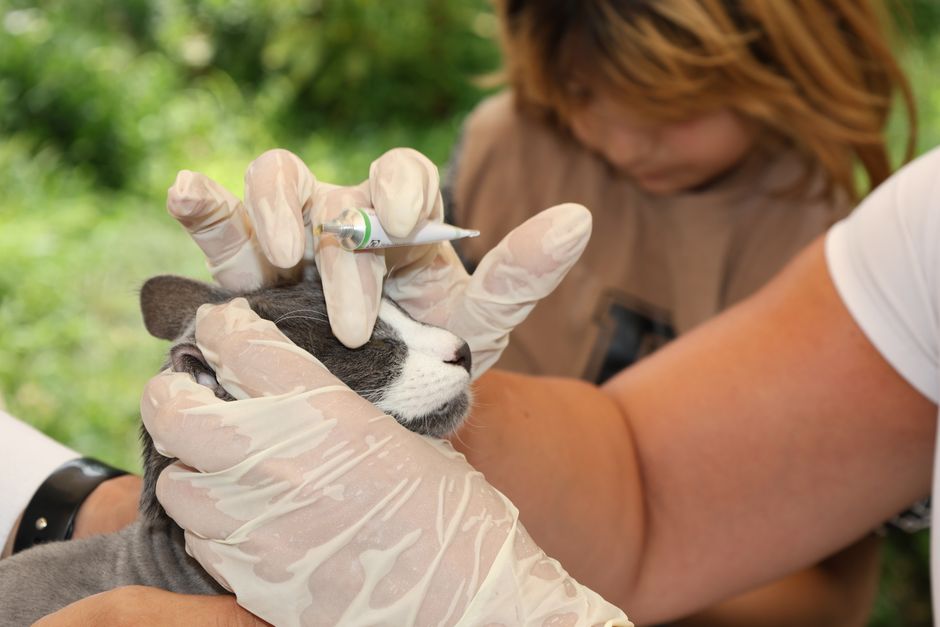
The treatment approach for glaucoma depends on the severity and underlying cause. Our goal is always to preserve vision and relieve pain whenever possible. Medical management often starts with topical eye drops or oral medications that lower intraocular pressure and reduce fluid production. In some cases, anti-inflammatory drugs are needed to control underlying inflammation.
If medications alone are not effective or if the disease is advanced, surgical intervention may be recommended. Advanced procedures performed by our veterinary ophthalmology team include laser surgery, placement of drainage implants, or removal of the affected eye in cases of irreversible blindness and pain. We also offer specialized treatments such as chronic ophthalmic disease management and procedures for complicated ophthalmic conditions, ensuring comprehensive care for your pet’s unique situation.
Each treatment plan is customized, taking into account your pet’s age, overall health, breed, and lifestyle. Regular follow-up visits are critical to monitor pressure and adjust therapies as needed. Our team will work closely with you and your referring veterinarian to provide ongoing support throughout your pet’s treatment journey.
Post-Treatment Care and Quality of Life
Even with the best care, some pets may lose vision in one or both eyes. Fortunately, most dogs and cats adapt remarkably well to vision loss with a little extra support at home. Creating a safe environment, maintaining consistent routines, and using tactile or auditory cues can help your pet adjust. Our team is always here to offer guidance on maximizing your pet’s comfort and quality of life.
Preventing Glaucoma and Protecting Your Pet’s Vision
While not all cases of glaucoma can be prevented, there are proactive steps you can take to protect your pet’s eyesight. Scheduling regular eye examinations with your family veterinarian is essential, especially for breeds at higher risk. If your veterinarian identifies any abnormalities or if your pet has a history of eye problems, a prompt referral to a veterinary ophthalmologist is recommended.
At home, monitoring your pet’s eyes and behavior for changes allows for early detection. Avoiding trauma to the eyes, keeping up with routine vaccinations, and managing other health conditions can also help reduce the risk of secondary glaucoma. If your pet has already been diagnosed with glaucoma in one eye, regular monitoring of the other eye is vital, as the disease may eventually affect both.
When to Seek Veterinary Ophthalmology Care
If you notice any of the early signs described—such as redness, cloudiness, pain, vision changes, or an enlarged eye—do not wait to seek help. Glaucoma is a medical emergency, and every hour counts when it comes to preserving vision. Your family veterinarian may refer you directly to our clinic, or you can request a referral if you are concerned about your pet’s eyes.
Our board-certified veterinary ophthalmologist at Animal Eye Specialists in Plano is equipped with the advanced diagnostic tools and expertise needed to confirm a diagnosis and begin immediate treatment. If you have questions about other common eye diseases in pets, we encourage you to explore our resources or reach out to our veterinary team for guidance.
Take Action for Your Pet’s Eye Health
Glaucoma does not have to mean the end of your pet’s vision or quality of life. Early detection and specialized veterinary ophthalmology care make a significant difference. If you are searching for an ophthalmology vet near me or need expert guidance on your pet’s eye health in Plano or nearby communities, Animal Eye Specialists is here for you. Our compassionate veterinary team understands how stressful eye problems can be, and we are committed to providing personalized, stress-free care every step of the way.
To schedule a consultation with our board-certified veterinary ophthalmologist, contact Animal Eye Specialists at (972) 845-9948 or visit us at 1545 W Plano Pkwy, Plano, TX 75075. Prompt attention saves sight, so do not hesitate if you notice changes in your dog or cat’s eyes. Your pet’s comfort and vision are our top priorities—let us help you protect them for years to come.