Protecting Your Pet’s Vision: Fall Eye Health Tips

Protecting Your Pet’s Vision: Fall Eye Health Tips
As autumn arrives in Plano, cooler air and changing leaves bring a welcome break from Texas heat. Yet, as you and your pet enjoy crisp walks and cozy evenings, fall can introduce unique eye health challenges for dogs and cats. From seasonal allergies to outdoor hazards, it is important to be alert to subtle changes in your pet’s eyes this time of year. At Animal Eye Specialists, our board-certified veterinary ophthalmologist is dedicated exclusively to pet eye care, ensuring each patient receives a full, personalized examination in a calm, Fear Free environment. In this article, we will share expert fall eye health tips to help you recognize potential problems, understand their causes, learn about advanced treatment options, and discover how to keep your pet’s vision clear and comfortable throughout the season. Whether you live in Plano or a nearby community, our team is here to support your companion’s lifelong eye health.
Recognizing Fall Eye Problems in Dogs and Cats
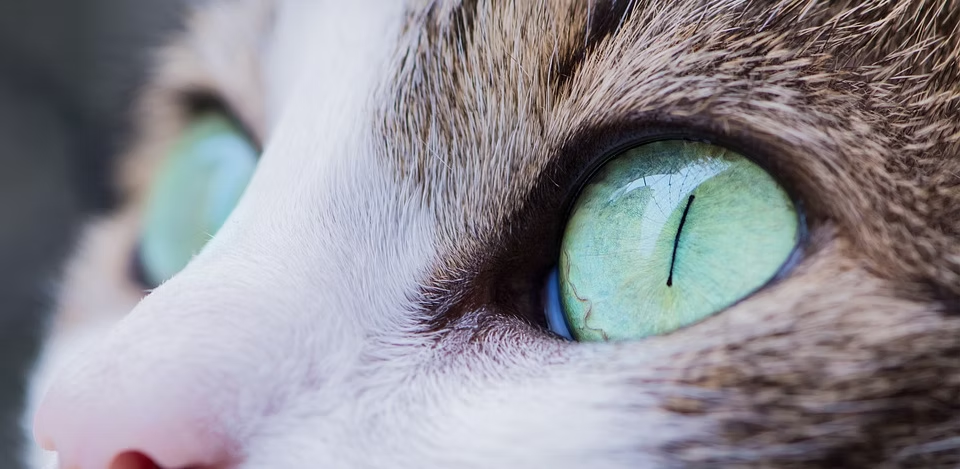
Most pet owners notice when their dog or cat has red or irritated eyes, but fall often brings subtle symptoms that are easy to overlook. Seasonal changes can affect your pet’s eyes in various ways, so it helps to know what to watch for during October and beyond. Common signs of eye problems include redness around the eyelids or within the eye itself, increased tearing or discharge that may appear clear, yellow, or green, and squinting or frequent blinking. You might also spot cloudiness in the eye, changes in pupil size or shape, eye rubbing against furniture or the floor, and sensitivity to light. Other warning signs are swelling of the eyelids, visible discomfort when the eye is touched, or any sudden change in your pet’s ability to navigate familiar areas.
If your dog or cat displays one or more of these symptoms, it is important not to wait and see if the issue resolves on its own. While some seasonal symptoms can be mild, others may signal more serious conditions that require prompt attention. For a more detailed guide on specific symptoms, such as red eyes in dogs and cats, our online resources can help you determine when to seek a veterinary ophthalmologist’s expertise.
Why Fall Brings Special Eye Health Risks
The shift from summer to fall in North Texas creates several unique challenges for your pet’s eyes. Cooler, drier air means that tear film—the thin layer of moisture protecting the surface of the eye—can evaporate more quickly, leading to irritation and dryness. Ragweed, mold spores, and other autumn allergens are common in the Plano area and surrounding communities, resulting in itchy, inflamed eyes for sensitive pets. Fallen leaves, grass seeds, and yard debris can become trapped in the fur around the eyes or even enter the eye itself, causing trauma or infection.
Additionally, increased time spent outdoors in milder weather means greater exposure to hazards. Dogs may chase through piles of leaves or brush, risking corneal injuries from sticks or seeds. Cats who explore patios or gardens can encounter airborne irritants or foreign bodies. Even indoor pets are not immune, as dust and allergens can accumulate in the home during fall cleaning and heating system use.
Some pets are also at higher risk due to breed, age, or previous eye conditions. Brachycephalic breeds like Bulldogs, Shih Tzus, and Persians, as well as elderly dogs and cats, often have less tear production or eyelid anatomy that makes them prone to dryness and injury. Understanding these seasonal and breed-specific risks allows you to take proactive steps to protect your companion’s vision.
Advanced Eye Care and Treatment Options
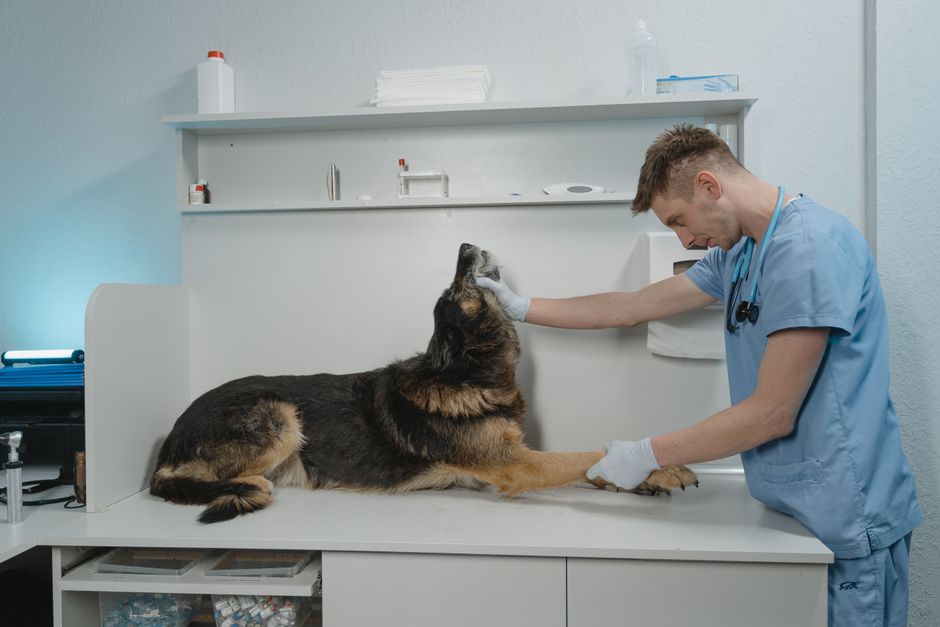
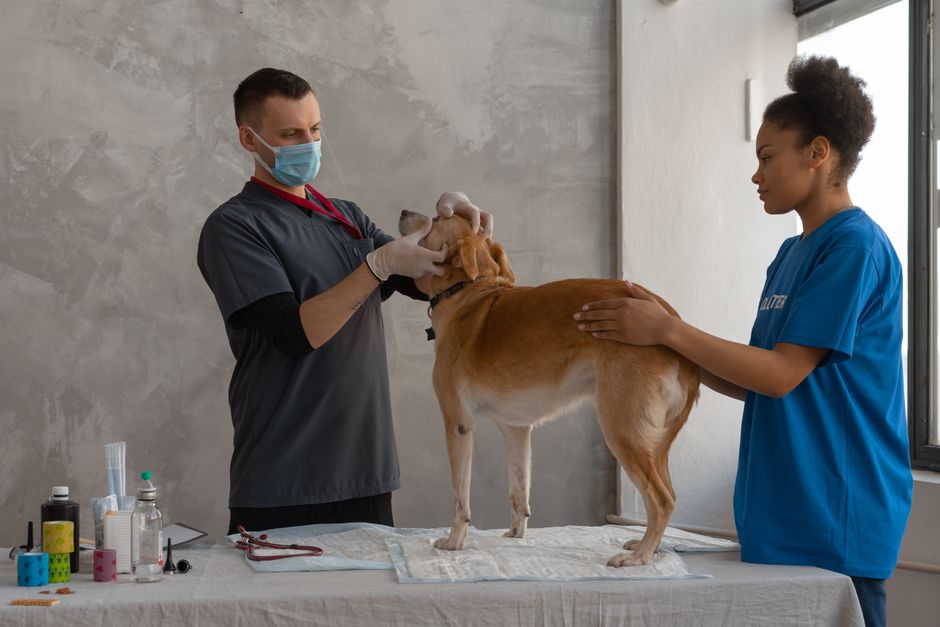
When your pet develops an eye problem, the first priority is an accurate diagnosis. At Animal Eye Specialists, every patient receives a comprehensive ophthalmic exam performed by a board-certified veterinary ophthalmologist. This thorough evaluation includes advanced diagnostic techniques such as slit lamp examination to assess the cornea and lens, tonometry to measure intraocular pressure and check for glaucoma, and fluorescein staining to detect corneal ulcers or tiny surface injuries. For pets with unexplained vision loss or complex symptoms, additional tests like ocular ultrasonography or electroretinography may be recommended to evaluate internal structures and retinal function.
Treatment varies based on the underlying cause. For mild seasonal irritation or allergies, therapy may involve lubricating eye drops, anti-inflammatory medications, or allergy management strategies. If a foreign object or corneal injury is present, prompt removal and specialized medical or surgical care are needed to prevent complications. Infections require targeted antibiotic or antiviral treatment, while chronic conditions such as dry eye (keratoconjunctivitis sicca) or early cataracts may involve ongoing medical management and monitoring.
For complex or advanced conditions, our practice offers a full range of surgical procedures, including corneal repair, eyelid reconstruction, and cataract surgery with intraocular lens implantation. Our commitment to using high-magnification operating microscopes and minimally invasive techniques ensures the best possible outcomes for your pet’s vision. If you are interested in learning more about the complete ophthalmic exam or the diagnosis and management of chronic eye diseases, our website provides detailed information on what to expect.
Preventing Eye Problems at Home This Fall
While some eye issues require professional care, there are steps you can take at home to reduce your pet’s risk during the autumn months. Regularly inspect your pet’s eyes and the skin around them for redness, discharge, or swelling. Gently wipe away debris from the corners of the eyes with a clean, damp cloth, using a separate cloth for each eye to avoid spreading infection. If your dog or cat enjoys outdoor activities, consider trimming long facial fur to prevent leaves or grass seeds from becoming trapped near the eyes.
Allergy management is especially important in Plano’s fall climate. Using air purifiers in the home, regularly cleaning bedding, and wiping your pet’s face after time outdoors can help reduce allergen exposure. For pets prone to dry eye, your veterinary ophthalmologist may recommend daily application of lubricating drops or ointments to maintain a healthy tear film.
Supervise your pet when playing in leaf piles or exploring new areas, and remove sharp sticks or thorny plants from your yard. When using fall cleaning products or starting up heating systems, keep pets away from airborne dust and fumes, as these can irritate sensitive eyes. Early intervention and prevention can make a significant difference in your pet’s comfort and long-term vision.
When to Seek Veterinary Ophthalmology Care
Knowing when to call a veterinary ophthalmologist is key to protecting your pet’s sight. Immediate evaluation is recommended if your dog or cat develops sudden redness, swelling, or discharge that does not resolve within a day, or if you notice squinting, cloudiness, or vision changes. Other urgent signs include pawing at the face, reluctance to open the eye, or any visible injury to the eye surface. Delays in treatment can result in permanent vision loss or chronic discomfort.
For pets with ongoing conditions like dry eye, glaucoma, or previous eye surgeries, regular follow-up with a board-certified ophthalmologist ensures early detection of new problems and optimal long-term management. If you are ever unsure whether your pet’s symptoms require a specialist’s attention, err on the side of caution and contact a veterinary ophthalmology clinic promptly. Our Plano location offers advanced diagnostics and compassionate care for all types of eye issues in dogs and cats.
For more detailed symptom-specific guidance, our educational resources on cloudy eyes in dogs or hazy or cloudy eyes in cats may be helpful.
Supporting Your Pet’s Vision Year-Round
As autumn unfolds in Plano and the surrounding communities, safeguarding your pet’s eye health is essential for their well-being and happiness. By recognizing seasonal risks, taking preventive steps at home, and partnering with a veterinary ophthalmology specialist, you can help your dog or cat enjoy clear, comfortable vision throughout fall and beyond. Remember, early action is the best way to address eye symptoms and prevent lasting damage.
If you have concerns about your pet’s eyes or need a trusted ophthalmology vet near me, Animal Eye Specialists is here to help. Our board-certified veterinary ophthalmologist provides advanced diagnostics, personalized treatment plans, and ongoing support for every patient. To schedule an appointment or ask questions about your pet’s eye health, contact our team of veterinary professionals at (972) 845-9948, or visit us at 1545 W Plano Pkwy, Plano, TX 75075. Let us help protect your companion’s vision this fall and all year long.
This article is intended for informational purposes only and does not replace professional veterinary medical advice. If your pet is experiencing an eye emergency, contact your veterinarian or a veterinary ophthalmologist immediately.