How Plano’s Fall Weather Can Impact Your Pet’s Eyes
How Plano’s Fall Weather Can Impact Your Pet’s Eyes
As the crisp fall air settles over Plano and the DFW area, many pet owners find themselves enjoying cooler walks and cozy evenings with their dogs and cats. Yet, while autumn brings relief from the summer heat, it also ushers in unique environmental changes that can affect your pet’s eye health. At Animal Eye Specialists, our board-certified ophthalmology team in 1545 W Plano Pkwy, Plano, TX 75075 understands how seasonal shifts—like increased wind, rain, mold, and allergens—can trigger or worsen eye issues in dogs and cats. In this blog, we’ll explore how Plano’s autumn weather can impact your pet’s eyes, what symptoms to watch for, and when it’s time to seek the expertise of a veterinary ophthalmologist. Whether you’re noticing mild irritation or sudden changes in your pet’s vision, our goal is to help you protect their sight and comfort through every season.
Recognizing Fall-Related Eye Problems in Your Pet
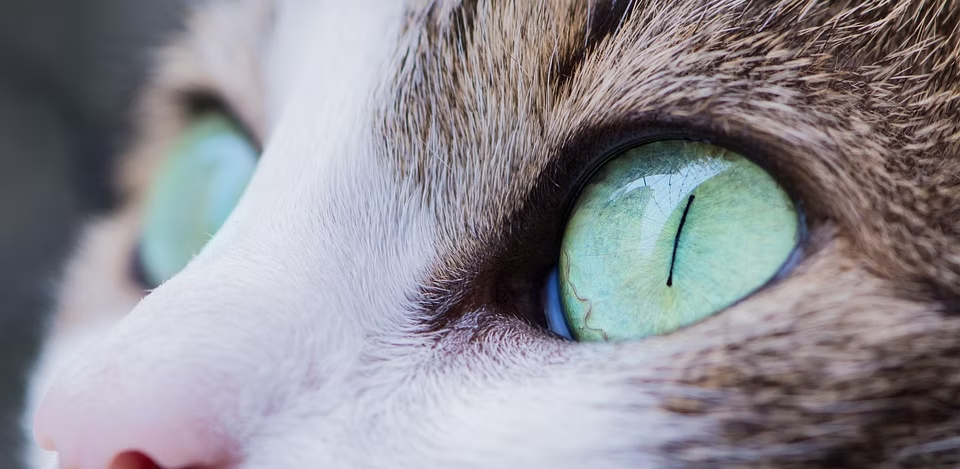
During November and the late fall months, you may notice changes in your pet’s eyes that seem to appear out of nowhere. The signs of seasonal eye problems in pets can be subtle or dramatic, depending on the underlying cause. Key symptoms include redness or bloodshot appearance, watery eyes, and increased blinking or squinting. Some dogs and cats may develop a yellow or green discharge, while others might paw at their face or seem sensitive to light. Cloudiness of the cornea, swelling of the eyelids, or sudden vision changes—such as bumping into furniture—are other warning signs that should not be ignored. In more severe cases, you might see your pet’s third eyelid protruding, or notice that their eye appears unusually large or painful.
If you observe any of these symptoms, especially if they develop quickly or seem to worsen, it’s important to reach out to a veterinary eye specialist. Many of these signs can indicate underlying conditions ranging from mild conjunctivitis to more serious issues like corneal ulcers or glaucoma. For a deeper understanding of common pet eye diseases and their symptoms, visit our overview of common eye diseases affecting pets.
Why Does Fall Weather Affect Pet Eye Health?
Autumn in Plano and the surrounding DFW area is known for its cooler temperatures, increased rainfall, and shifts in vegetation. While these changes are welcome after a long, hot summer, they also affect your pet’s environment in ways that can challenge their eye health.
One of the main culprits is the rise in environmental allergens. Fall brings a surge of mold spores, decaying leaves, and seasonal pollens, all of which can irritate sensitive eyes. Windy days stir up dust and debris, while damp weather fosters mold and fungal growth around your home and yard. For pets prone to allergies, these conditions can trigger allergic conjunctivitis, leading to red, itchy, and watery eyes.
Rain and humidity also play a role. Moisture can encourage bacterial and fungal growth on the skin around your pet’s eyes, increasing the risk of infections. Puddles and wet grass may harbor irritants or pathogens that come into contact with your pet’s face during walks or playtime. In addition, sudden drops in temperature can cause pets to produce fewer tears, resulting in symptoms of dry eye or keratoconjunctivitis sicca. Dry eye can cause discomfort, excessive blinking, and sticky discharge, and if left untreated, may lead to corneal ulcers or vision loss. To learn more about the evaluation and causes of dry eye in dogs, explore our information on watery eyes, eye discharge, and dry eye in dogs.
Finally, shorter daylight hours and cooler evenings often mean more time spent indoors, where exposure to household dust, scented candles, and heating systems can further contribute to ocular irritation.
How Our Veterinary Ophthalmologists Diagnose and Treat Fall Eye Issues
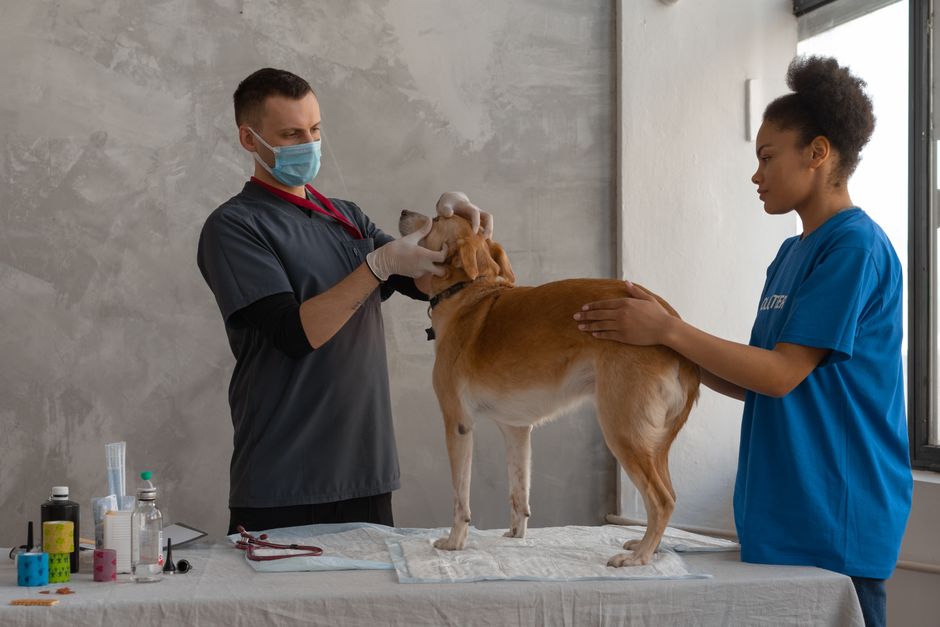
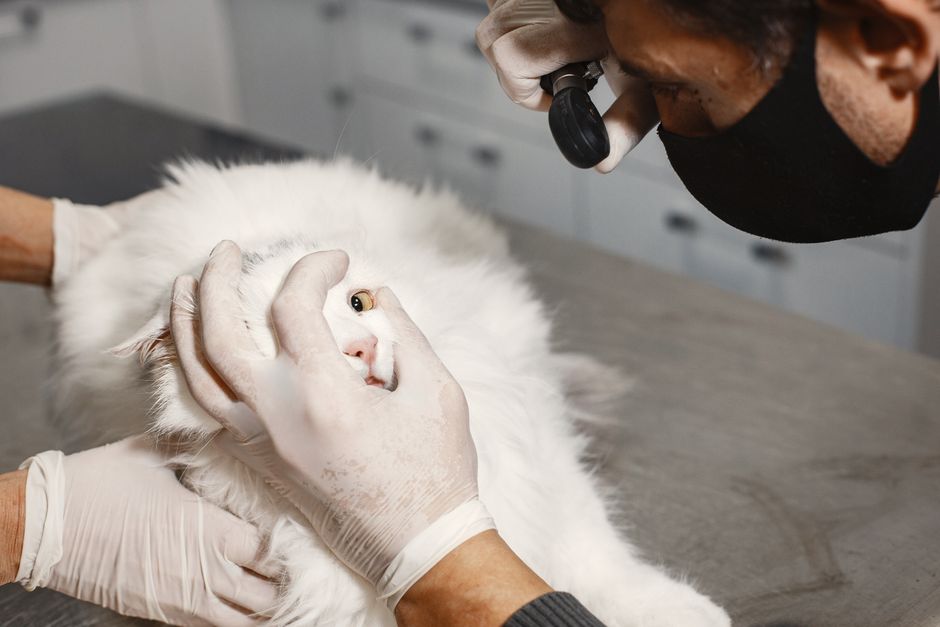
If your pet develops eye problems during the fall, specialized eye care can make all the difference. At Animal Eye Specialists, every pet receives a comprehensive, hands-on eye examination by a board-certified veterinary ophthalmologist. Using advanced diagnostic tools like slit lamp examination, direct and indirect ophthalmoscopy, and intraocular pressure testing, we can accurately identify the source of your pet’s symptoms.
Treatment approaches vary based on the underlying cause. For seasonal allergies, ophthalmic medications such as anti-inflammatory eye drops may be prescribed to reduce redness and itchiness. In cases of bacterial or fungal infection, targeted topical or systemic antibiotics and antifungals are used. Pets with dry eye benefit from tear-stimulating medications and regular monitoring of tear production, often with Schirmer tear testing to guide therapy.
If your dog or cat has developed corneal ulcers from rubbing or exposure to irritants, prompt intervention is crucial. Our team uses diagnostic methods such as fluorescein staining to detect even small corneal injuries. Treatments may involve medicated drops, protective contact lenses, or surgical repair in severe cases. For pets with increased pressure in the eye or suspected glaucoma, we offer tonometry for measuring intraocular pressure, as well as advanced options for managing glaucoma and protecting your pet’s vision.
We understand that each pet’s needs are unique, and our treatment plans are always tailored to their specific condition and comfort.
Fall Eye Care at Home: How Pet Owners Can Help
While some eye conditions require specialized veterinary care, there are steps you can take at home to reduce your pet’s risk of fall-related eye problems. Regularly check your dog’s or cat’s eyes for any changes in appearance, discharge, or behavior. Wipe away any debris from around the eyes using a clean, damp cloth, and avoid using human eye drops or medications unless directed by a veterinarian.
Minimize your pet’s exposure to leaf piles, damp areas, and places with heavy mold or pollen accumulation. After outdoor play, gently clean your pet’s face and inspect for signs of irritation. For pets with known allergies, talk to your primary care veterinarian about antihistamine options or referral to a veterinary ophthalmologist for specialized management.
Keep indoor air quality in mind as well. Regular vacuuming, using unscented cleaning products, and maintaining proper humidity can help reduce dust and allergens in your home. If you use a fireplace or candles, ensure your pet is not exposed to smoke or strong scents, which may further irritate sensitive eyes.
For pets who already have a history of chronic or acute eye problems, consistent follow-up care is essential. Learn more about our diagnosis and treatment of chronic and acute ophthalmic diseases in pets if your pet requires ongoing management.
When Should You See a Veterinary Ophthalmologist?
Knowing when to seek professional help is key to protecting your pet’s vision. Immediate consultation with a veterinary ophthalmologist is recommended if you notice symptoms such as persistent redness, squinting, swelling, thick discharge, cloudiness, sudden vision loss, or any sign of pain like pawing at the face or vocalizing. Pets with pre-existing eye conditions, diabetes, or immune-mediated diseases are at particular risk for serious complications from seemingly minor irritations.
If your pet’s symptoms do not improve within 24 hours, or if they worsen despite basic home care, specialized evaluation is crucial. Some eye problems can progress rapidly, so prompt, expert attention from a board-certified veterinary ophthalmologist can mean the difference between full recovery and permanent vision loss.
We always recommend erring on the side of caution when it comes to your pet’s eyes. If you are ever unsure whether a symptom warrants a visit, our team is here to answer your questions and provide guidance.
Supporting Your Pet’s Eye Health All Season Long
Fall in Plano is a time of change—for the weather and for your pet’s health needs. By staying vigilant and proactive, you can help your dog or cat enjoy the season safely and comfortably. If you have concerns about your pet’s eyes, or if you are searching for a specialty vet near me who truly understands the unique needs of pets in our area, Animal Eye Specialists is here to provide expert care.
Our veterinary ophthalmology team is dedicated to delivering advanced diagnostics, gentle treatment, and compassionate support for every pet and family we serve. To schedule a specialized eye exam or learn more about our services, contact us at (972) 845-9948 or visit us at 1545 W Plano Pkwy, Plano, TX 75075. For additional resources about common pet eye diseases and when to seek veterinary care, explore our overview of common eye diseases affecting pets.
Your pet’s comfort and vision are our top priorities. We look forward to helping your family stay healthy and happy through every season.