Dog Cataract Surgery Cost: What Plano Pet Owners Should Know
Dog Cataract Surgery Cost: What Plano Pet Owners Should Know
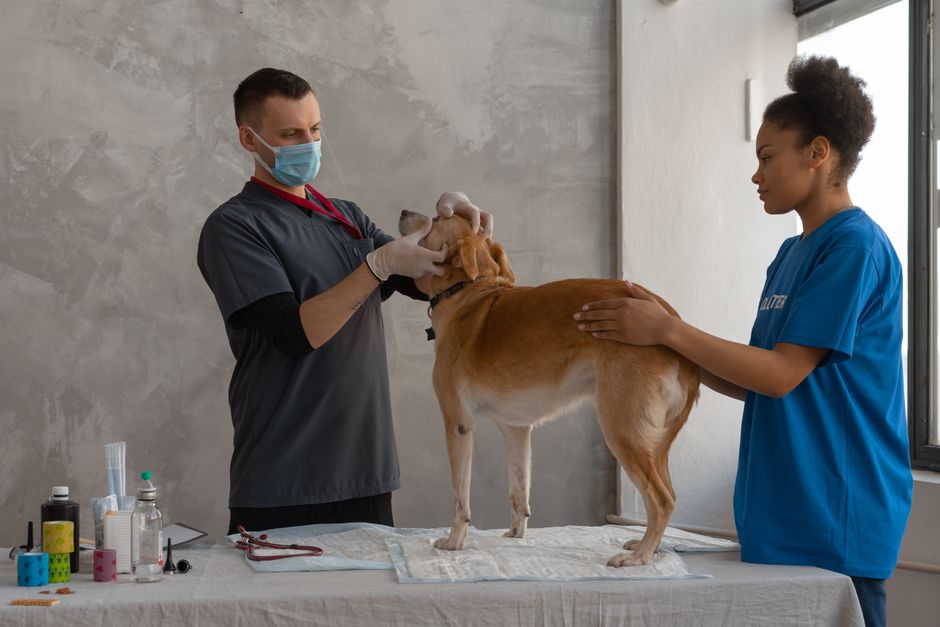
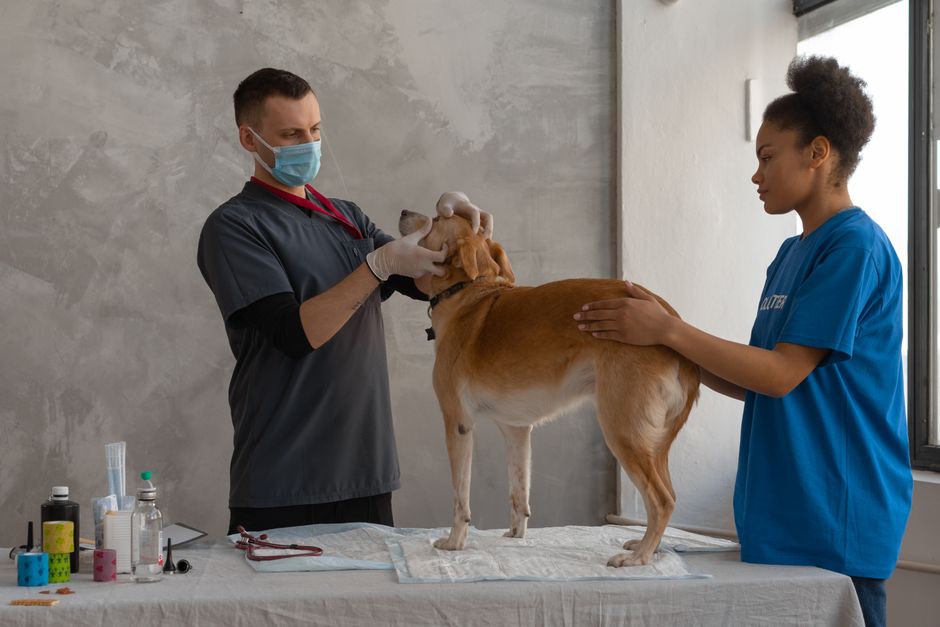
Caring for your dog’s vision goes beyond routine eye checks; when cataracts cloud your dog’s world, you want to understand every aspect of their treatment, including what to expect from the dog cataract surgery cost in Plano. At Animal Eye Specialists, located at 1545 W Plano Pkwy, Plano, TX 75075, our board-certified veterinary ophthalmologist is dedicated exclusively to advanced eye care for pets. As you explore options to restore your dog’s vision, it’s natural to have questions about cost, surgical outcomes, and why choosing a specialty practice is so important. This guide will help you understand the factors that influence the price of dog cataract surgery, what’s included in your pet’s care at our Plano clinic, and why expertise matters for your dog’s safety and comfort. If you’re searching for answers about cataract treatment or considering surgery, read on to feel confident and informed as you plan the next steps for your dog’s eye health.
How to Recognize Cataracts in Dogs
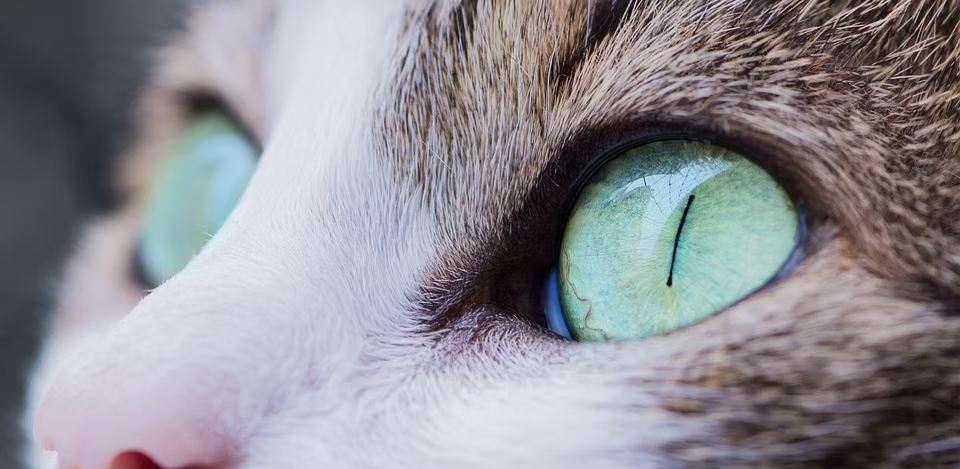
Cataracts are one of the most common causes of vision loss in dogs, and recognizing the early signs can make a significant difference in your dog’s quality of life. Pet owners might first notice a cloudy, bluish-white appearance in one or both eyes; this is often the result of the lens becoming less transparent due to cataract formation. Other signs include your dog bumping into furniture, hesitating on stairs, becoming more anxious in unfamiliar environments, or showing reluctance to go outside at night. Some dogs may rub at their eyes or squint more than usual. While these symptoms can indicate cataracts, they may also be signs of other eye problems, which is why a complete ophthalmic exam by a veterinary specialist is crucial. Early diagnosis can help you and your veterinarian decide on the best course of action, including whether surgery is needed. If you’re concerned about any changes in your dog’s eyes or vision, prompt evaluation is always recommended.
Why Do Dogs Get Cataracts? Understanding the Causes
Cataracts in dogs develop when the normally clear lens inside the eye becomes opaque, blocking light and leading to vision impairment. Several factors can contribute to cataract formation, with genetics being a leading cause; many breeds, such as Cocker Spaniels, Poodles, and Labrador Retrievers, are predisposed. Additionally, diabetes is a significant risk factor; dogs with diabetes can develop cataracts rapidly, sometimes within weeks. Other potential causes include advanced age, eye injuries, chronic inflammation (such as uveitis), or certain nutritional deficiencies early in life. In some cases, cataracts may result from underlying eye conditions or trauma. Understanding what’s behind your dog’s cataracts helps guide treatment decisions and highlights the importance of a thorough diagnostic workup by a veterinary ophthalmologist, especially before considering surgery.
Dog Cataract Surgery: What the Procedure Involves
Cataract surgery for dogs is a sophisticated procedure that restores vision by removing the cloudy lens and, in most cases, replacing it with an artificial intraocular lens. At Animal Eye Specialists, only a board-certified veterinary ophthalmologist performs surgical procedures, ensuring the highest level of expertise and safety for your pet. The most common technique, called phacoemulsification, uses ultrasonic energy to break up and remove the cataract-affected lens. After lens removal, a new intraocular lens is implanted to help your dog see clearly again. The procedure is conducted under general anesthesia using advanced microsurgical equipment. From the initial pre-surgical evaluation through post-operative care, our veterinary team prioritizes patient comfort, safety, and long-term vision outcomes. For a detailed overview of what to expect, you can read more about cataract surgery for pets.
What’s Included in Dog Cataract Surgery Cost at Animal Eye Specialists?
When considering the dog cataract surgery cost in Plano, it helps to understand what’s covered in the overall investment. At Animal Eye Specialists, the total cost typically includes a comprehensive pre-surgical eye exam, advanced diagnostic imaging (such as ocular ultrasonography and electroretinography), the surgical procedure itself, anesthesia, intraocular lens implantation, and intensive post-operative monitoring. Additionally, your dog will receive personalized post-surgical treatment plans to ensure healing and vision recovery. Our pricing reflects the skill and experience of a board-certified veterinary ophthalmologist, the use of specialized equipment, and the dedicated support provided throughout your dog’s surgical journey. While costs can vary depending on each patient’s needs or any complicating factors, our team is committed to transparency and will review all estimates before moving forward. If you would like to see detailed case outcomes, we invite you to explore our patients’ success stories - eye treatment case photos for real-life examples of vision restored.
Factors That Affect Dog Cataract Surgery Cost in Plano
The cost of cataract surgery for dogs can vary based on several important factors. The most significant influences are the complexity of your dog’s cataracts, the presence of any other eye conditions (such as glaucoma or retinal disease), and whether surgery is needed in one or both eyes. Pre-existing health issues, like diabetes, may require additional diagnostics or medications, which can affect the total cost. The need for advanced pre-surgical testing, such as electroretinography to assess retinal function or ocular ultrasonography to check for hidden problems, also plays a role. Your dog’s size may impact anesthesia and medication requirements, and the level of post-operative care required for optimal recovery can influence the final cost. At Animal Eye Specialists, our pricing reflects the exclusive focus on eye care and the benefits of treatment by a board-certified veterinary ophthalmologist in a specialty setting. We believe in providing a clear estimate upfront and discussing all options with you before proceeding.
The Value of a Board-Certified Veterinary Ophthalmologist
When it comes to your dog’s vision, expertise truly matters. Cataract surgery is a highly specialized procedure that requires advanced training, microsurgical skill, and careful post-operative management. By choosing Animal Eye Specialists, you are ensuring that your dog’s care is handled by a board-certified veterinary ophthalmologist with years of experience in diagnosing and treating complex eye conditions. Dr. Stephanie Beaumont and our team use the latest techniques and technology to maximize surgical success and minimize complications. As an independently owned specialty clinic, we provide individualized attention in a calm, pet-friendly environment, making the experience as stress-free as possible for both you and your dog. General practice veterinarians often refer patients to us for advanced eye care, knowing that specialty training leads to the best possible outcomes. If you have questions about the value of a specialty approach or want to learn more about the advanced surgical techniques we offer, see our page on cataract removal (phacoemulsification) with intraocular lens implantation.
What to Expect After Dog Cataract Surgery
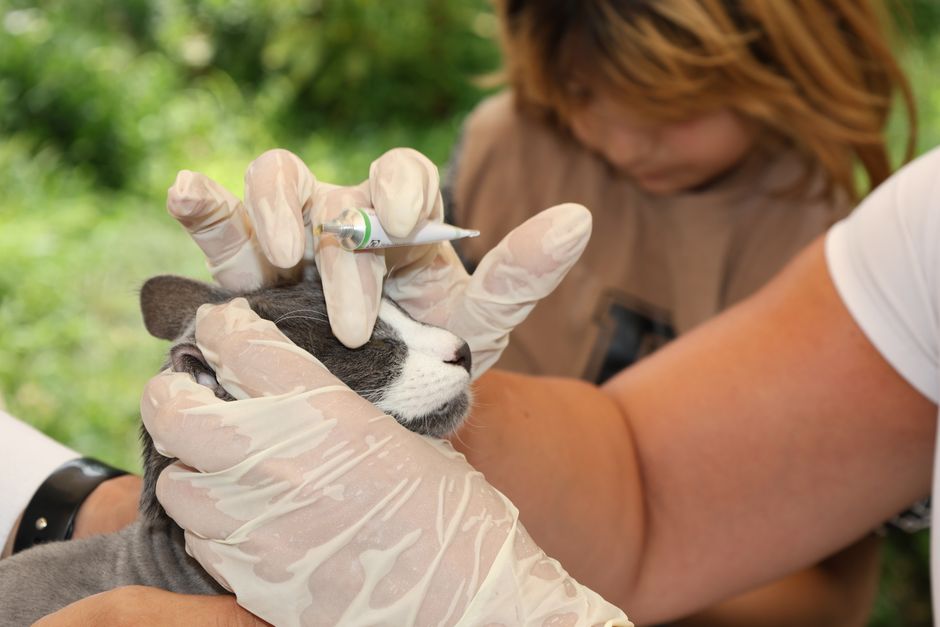
Post-surgical care is vital for your dog’s recovery and long-term vision health. After cataract surgery, most dogs experience a significant improvement in vision within days to weeks. Your dog will need to wear a protective collar and receive prescribed eye drops and oral medications to reduce inflammation and prevent infection. Strict activity restrictions are needed for several weeks, and follow-up appointments are scheduled to monitor healing. At Animal Eye Specialists, your dog’s post-operative care includes regular rechecks and close communication to address any concerns. Our veterinary team remains accessible throughout your dog’s recovery period, supporting you with clear instructions and advice. For more details on how we support your pet during this critical phase, visit our page on post-operative treatment for pet eye surgeries.
Can You Prevent Cataracts in Dogs?
While some causes of cataracts, such as genetics or aging, cannot be prevented, there are steps you can take to protect your dog’s eye health. Regular veterinary checkups help catch vision changes early, especially for breeds at higher risk. Managing underlying health conditions like diabetes is essential; keeping your dog’s blood sugar well-controlled can delay or prevent cataract development. Prompt treatment of eye injuries, infections, or inflammation also reduces the risk of secondary cataracts. Providing a balanced diet and keeping your dog’s vaccinations up to date supports overall wellness, which can indirectly benefit eye health. Although not every case is preventable, early intervention and regular monitoring can help maintain your dog’s quality of life.
When Should You Seek Veterinary Eye Care?
If you notice any changes in your dog’s eyes—cloudiness, redness, discomfort, or a sudden decline in vision—it is important to seek veterinary attention right away. Early consultation with a general veterinarian is a good first step, but for confirmed or suspected cataracts, referral to a board-certified veterinary ophthalmologist ensures your dog receives the most advanced care available. Cataracts that develop rapidly, especially in diabetic dogs, require prompt assessment to prevent permanent vision loss or complications such as lens-induced uveitis or glaucoma. If you are searching for an ophthalmology vet near me, Animal Eye Specialists is ready to support you and your dog with expert diagnosis, surgical options, and compassionate care. Our Plano clinic serves pet owners from Plano and surrounding communities, making it easy to access specialty eye care close to home.
Take the Next Step: Restore Your Dog’s Vision with Animal Eye Specialists
When your dog’s world becomes clouded by cataracts, understanding the dog cataract surgery cost and your options in Plano is the first step toward restoring their quality of life. At Animal Eye Specialists, our board-certified veterinary ophthalmologist and dedicated team are here to guide you through every stage—from diagnosis and advanced surgical care to attentive post-operative support. We welcome pet owners who want the very best for their dogs and believe in open communication about all aspects of care, including cost and outcomes. If you have questions, want to discuss your dog’s specific situation, or are ready to schedule a consultation, contact our team at (972) 845-9948 or visit us at 1545 W Plano Pkwy, Plano, TX 75075. You can also explore more about animal cataract surgery and see how vision can be restored for dogs just like yours. When searching for an ophthalmology vet near me, trust Animal Eye Specialists to deliver the advanced care, expertise, and compassion your dog deserves.