Can Dogs Have Cataract Surgery? What Pet Owners Should Know

Can Dogs Have Cataract Surgery? What Pet Owners Should Know
If you have noticed your dog’s eyes becoming cloudy or their vision declining, you might wonder, can dogs have cataract surgery? This is a common concern for pet owners in Plano, TX, and throughout the Dallas-Fort Worth area. At Animal Eye Specialists, our board-certified veterinary ophthalmology team understands how important your dog’s eyesight is to their quality of life. This blog will walk you through everything you need to know about canine cataracts, how we diagnose and treat them, what cataract surgery involves, and how your dog can benefit from advanced veterinary eye care. As a specialty practice located at 1545 W Plano Pkwy, Plano, TX 75075, Animal Eye Specialists is dedicated exclusively to pet eye health, ensuring every patient receives a comprehensive evaluation by a board-certified veterinary ophthalmologist. If you are worried about your dog’s vision, you are in the right place to get answers and guidance about cataract surgery and beyond.
Recognizing Cataracts in Dogs: Signs and Symptoms
Understanding when your dog may need cataract evaluation is the first step toward protecting their vision. Cataracts occur when the lens inside the eye becomes cloudy, leading to impaired vision or even blindness if left untreated. Key symptoms include a noticeable cloudiness or bluish-grey appearance in one or both eyes, which can sometimes be mistaken for normal aging changes. You may also notice that your dog starts bumping into furniture, hesitates on stairs, or becomes more reluctant to go outside at night. Other signs are changes in how your dog reacts to toys or treats, increased anxiety in unfamiliar environments, or difficulty finding food and water bowls. These changes often develop gradually, so it’s important to observe your dog’s behavior closely. If you see cloudy eyes and are unsure whether cataracts, corneal degeneration, or another condition is the cause, you can find additional guidance in our resource on dog cloudy eyes, cataracts, and corneal degeneration.
What Causes Cataracts in Dogs?
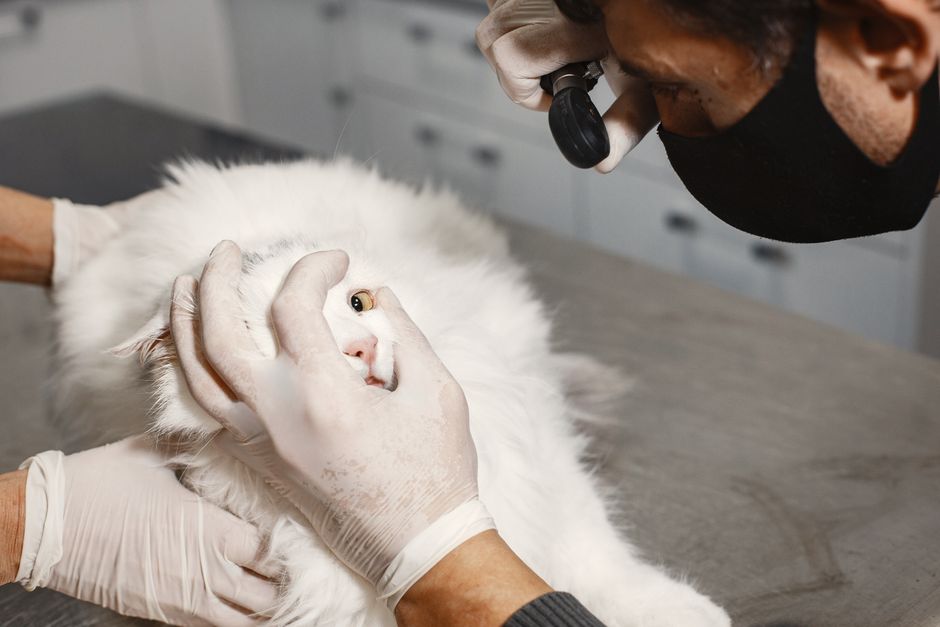
Cataracts can develop for a variety of reasons in dogs, with genetics being a primary factor for many breeds. Certain breeds like Poodles, Cocker Spaniels, and Siberian Huskies are more prone to inherited cataracts, but the condition can affect any dog. Diabetes is another major cause; dogs with diabetes are at increased risk for rapid cataract formation, often affecting both eyes at once. Additional reasons cataracts may develop include aging changes, trauma to the eye, inflammation (uveitis), and some nutritional deficiencies in puppies. It’s also important to distinguish true cataracts from nuclear sclerosis, a normal aging change that causes a blue haze but does not significantly affect vision. Our veterinary ophthalmology team uses advanced diagnostic equipment, including slit lamp examination and direct and indirect ophthalmoscopy, to accurately diagnose the cause and extent of your dog’s eye changes.
Can Dogs Have Cataract Surgery? Veterinary Treatment Options Explained
Many pet owners ask, can dogs have cataract surgery, and if so, what does the process involve? The answer is yes—dogs can undergo cataract surgery, and in many cases, this procedure can restore significant vision. At Animal Eye Specialists in Plano, we offer advanced surgical options tailored to your dog’s specific needs. The most common and effective technique is phacoemulsification, a microsurgical procedure that uses ultrasound to break up and remove the cloudy lens, followed by the placement of an artificial intraocular lens (IOL) to restore focusing ability. Not every dog is a candidate for surgery; our veterinary ophthalmologists conduct thorough preoperative evaluations, including tests like electroretinography to measure retinal function and ocular ultrasonography to assess the health of structures within the eye. These diagnostics ensure your dog’s eye is healthy enough for surgery and has the best chance for a successful outcome.
If surgery is appropriate, the procedure is performed under general anesthesia and typically takes about one to two hours. Most dogs can go home the same day, and with proper postoperative care, many regain functional vision very quickly. For more information about what to expect, visit our page on cataract surgery for pets and learn about cataract removal with intraocular lens implantation.
Managing Cataracts at Home and Supporting Your Dog’s Vision
While cataract surgery offers the best chance for vision restoration, not all dogs are suitable candidates. If surgery is not possible due to underlying health conditions or other factors, our team will help you manage your dog’s comfort and quality of life at home. Steps you can take include keeping your dog’s environment consistent—avoiding rearranging furniture, using baby gates to block off stairs, and providing textured mats to help them navigate safely. Keeping your dog on a leash during walks and using verbal cues can also boost their confidence. For diabetic dogs, careful control of blood sugar levels is critical to slow cataract progression. Regular veterinary checkups are essential to monitor for complications such as lens-induced uveitis (inflammation inside the eye), which can cause pain or glaucoma if left untreated. Our team at Animal Eye Specialists will guide you through ongoing monitoring and help you recognize any changes that require further attention.
When Should You Seek Veterinary Ophthalmology Care?
If you notice symptoms of cloudy eyes, vision changes, or behavioral shifts in your dog, it is important to seek professional evaluation as soon as possible. Dogs experiencing rapid vision loss, obvious eye discomfort (such as squinting, redness, or discharge), or signs of pain should be seen urgently. Even if your dog seems comfortable, early diagnosis of cataracts and related eye conditions can mean the difference between preserving and losing vision. Specialty veterinary ophthalmology clinics like Animal Eye Specialists accept referrals from your primary care veterinarian, but you can also contact us directly if you have concerns. Our commitment to Fear Free-based care ensures that every patient receives gentle, low-stress handling during their visit. For more information about veterinary cataract surgery and the services we provide, explore our page on veterinary cataract surgery services.
How Animal Eye Specialists in Plano Can Help Your Dog See Clearly Again
At Animal Eye Specialists, our board-certified veterinary ophthalmologists are dedicated to helping dogs with cataracts and other eye conditions regain their vision and confidence. Every patient receives a complete ophthalmic evaluation using advanced diagnostic equipment and a personalized treatment plan tailored to their needs. If you are searching for a specialty ophthalmology vet near me, our practice in Plano serves the entire Dallas-Fort Worth area and surrounding communities. We understand the emotional impact of vision loss on both dogs and their owners, and we are here to guide you through every step of the process, from diagnosis to surgery and follow-up care.
Don’t let cataracts steal your dog’s joy for life. If you are asking, can dogs have cataract surgery, or want to know if your dog is a candidate, reach out to our veterinary ophthalmology team for an expert evaluation. Call us at (972) 845-9948 or visit our clinic location to schedule a consultation. You can also review examples of successful outcomes on our eye treatment case photos page. At Animal Eye Specialists, we are committed to helping your dog see a brighter future—right here in Plano, TX.