Cataract Surgery for Pets: How to Prepare Your Dog or Cat

Cataract Surgery for Pets: How to Prepare Your Dog or Cat
If your beloved dog or cat has been diagnosed with cataracts, you may be feeling overwhelmed about what comes next. Cataract surgery for pets is a highly specialized procedure that can restore vision, dramatically improving your pet’s quality of life. At Animal Eye Specialists in Plano, TX, our board-certified veterinary ophthalmologist, Dr. Stephanie Beaumont, and our experienced team are dedicated exclusively to advanced pet eye care. We know that preparing for surgery can be stressful for both pets and owners, so we’ve created this comprehensive pre-op guide to walk you through every step of the process. In this blog, you’ll learn how to recognize cataracts in your pet, understand what causes them, discover the details of cataract surgery for pets, and get practical tips to help you and your pet get ready for a successful procedure here in Plano and surrounding communities. You’ll also find out how our veterinary ophthalmology team ensures a stress-free, Fear Free-based experience for every patient.
For more details about the procedure itself, you can also explore our page on cataract surgery for pets.
Recognizing Cataracts in Your Dog or Cat
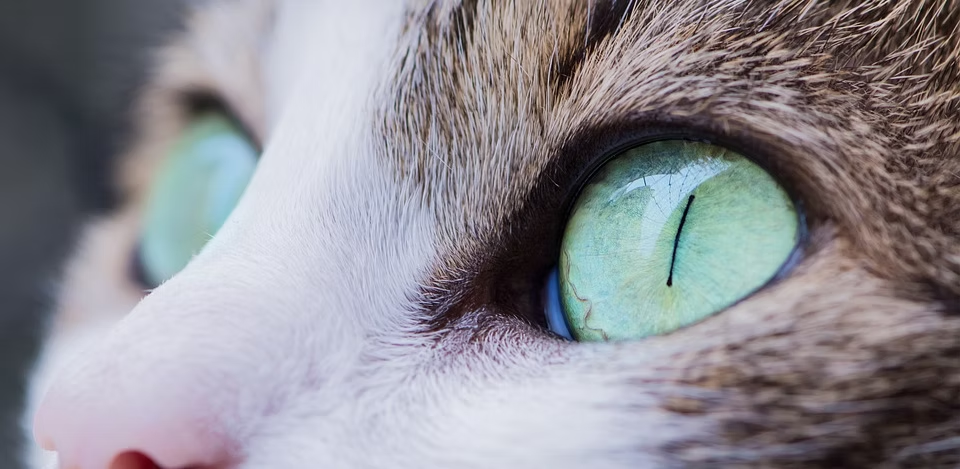
Cataracts can develop gradually, making early signs easy to miss. As a pet owner, it’s important to notice subtle changes in your dog or cat’s eyes or behavior. Key symptoms of cataracts include a cloudy, bluish, or white appearance in the center of the eye, which may look like a film over the pupil. You might also observe your pet bumping into furniture, hesitating on stairs, or showing signs of vision loss such as reluctance to go outside at night. In some cases, pets with cataracts may develop increased eye redness, excessive tearing, or discomfort, although many remain outwardly comfortable until the cataract matures.
If you’re unsure whether cloudy eyes in your dog or cat are caused by cataracts or another condition, our team recommends reviewing our resources on dog cloudy eyes, cataracts and corneal degeneration or cat hazy or cloudy eyes, feline cataracts and keratitis. These guides can help you determine when it’s time to seek veterinary eye care.
What Causes Cataracts in Pets?
Cataracts occur when the lens inside your pet’s eye becomes opaque, preventing light from reaching the retina and resulting in vision loss. In dogs, the most common cause is inherited genetic predisposition, especially in breeds like the Cocker Spaniel, Poodle, Boston Terrier, and Miniature Schnauzer. Diabetes mellitus is another frequent culprit, with diabetic dogs often developing rapidly progressing cataracts. Other causes can include eye trauma, chronic inflammation, advanced age, or exposure to certain toxins or medications.
Cats develop cataracts less commonly, but causes may include chronic eye inflammation (uveitis), trauma, or underlying health conditions such as high blood pressure or viral infections. In senior pets, age-related changes can also contribute to lens changes and cloudiness. It is important to remember that not all cloudy eyes are cataracts; other eye diseases may appear similar, so a thorough examination by a veterinary ophthalmologist is essential for an accurate diagnosis.
Understanding Cataract Surgery for Pets
Cataract surgery for pets is a delicate, advanced procedure that requires the expertise of a board-certified veterinary ophthalmologist. At Animal Eye Specialists, the most common technique we perform is phacoemulsification, which uses ultrasonic energy to break down and remove the cloudy lens material. In most cases, we also implant an artificial intraocular lens (IOL) to restore focusing ability and improve your pet’s vision even further.
The procedure typically involves several important steps. First, your pet will receive a full ophthalmic examination and pre-surgical testing to ensure they are a good candidate for surgery. This may include bloodwork, ocular ultrasound, and electroretinography to assess retinal function. On the day of surgery, your pet will be placed under general anesthesia for their safety and comfort. The surgical process itself is performed using specialized microscopic instruments for maximum precision. After the cataract is removed and the new lens is placed, your pet is gently awakened from anesthesia and monitored closely during recovery.
For a detailed look at the surgical process and outcomes, we invite you to visit our page on cataract removal (phacoemulsification) with intraocular lens implantation.
What to Expect During the Surgical Journey
The journey begins with an initial ophthalmic evaluation, where our veterinary ophthalmology team will discuss all aspects of the procedure, answer your questions, and outline the risks and benefits based on your pet’s unique health profile. Your pet’s safety is our top priority, so we follow a meticulous protocol that includes advanced diagnostics and pre-anesthetic assessment.
On the day of surgery, pets are admitted in the morning and usually go home later the same day or after an overnight stay, depending on individual recovery. Most pets adjust quickly to their improved vision, often showing more confidence and enthusiasm in their daily activities once healing is underway.
Preparing Your Dog or Cat for Cataract Surgery
Helping your pet get ready for cataract surgery involves several important steps. Before the procedure, follow any fasting instructions provided by our veterinary team; typically, food is withheld after midnight before surgery, but water may be allowed until a few hours prior. Continue administering any prescribed medications unless directed otherwise. In the days leading up to surgery, monitor your pet closely for any changes in appetite, energy, or eye appearance, and report any concerns to our ophthalmology team promptly.
On the morning of surgery, keep your dog on a leash or your cat in a secure carrier to reduce stress during transport. Bring any necessary paperwork, medications, or comfort items recommended by our team. After surgery, your pet will likely be sent home with an Elizabethan collar to protect their eyes and a detailed schedule for administering eye drops and oral medications. Pain management and infection prevention are critical priorities during the healing process.
Our veterinary ophthalmology team will schedule several follow-up appointments to monitor healing, answer your questions, and adjust medications as needed. If you are interested in seeing examples of successful recoveries, our eye treatment case photos offer real-life stories from our Plano area patients.
Home Care and Recovery After Cataract Surgery
Post-operative care plays a vital role in ensuring the best possible outcome for your pet’s vision and comfort. The recovery phase usually lasts several weeks, during which your pet will require careful monitoring and strict adherence to medication schedules. Signs of successful healing include a bright, clear eye, improved navigation around the home, and growing confidence in daily routines. It is normal to see some mild redness or tearing initially, but any sudden changes, such as increased squinting, swelling, or discharge, should prompt immediate contact with your veterinary ophthalmologist.
To support a smooth recovery, keep your pet calm and restrict vigorous activity as advised by our veterinary team. Prevent rubbing or scratching at the eye, and avoid exposure to dust or water until cleared for normal activities. Attending all follow-up visits is essential for monitoring intraocular pressure and detecting any complications early.
You can review our recommendations for post-operative treatment for eye surgery in pets for more guidance on what to expect after cataract surgery.
When to Seek Veterinary Ophthalmology Care
Timely intervention is crucial when it comes to cataract surgery for pets. If you notice signs of vision loss, a cloudy appearance in your pet’s eye, or any behavioral changes suggesting reduced eyesight, schedule a consultation with a board-certified veterinary ophthalmologist as soon as possible. Early evaluation ensures the best chance for a successful outcome, especially since some conditions can mimic cataracts or complicate surgery if left untreated.
For pets with diabetes or other underlying health conditions, regular eye exams are especially important. Do not delay contacting your veterinary ophthalmology team if your pet develops sudden redness, pain, discharge, or rapid vision changes. In these situations, prompt attention can make all the difference in preserving your pet’s comfort and sight.
If you are a new client or would like to learn more about preparing for your first visit, our information for new veterinary ophthalmology patients provides a helpful overview of what to bring and what to expect.
Why Choose Animal Eye Specialists for Cataract Surgery in Plano?
Choosing the right team for cataract surgery for pets can have a life-changing impact on your dog or cat’s quality of life. At Animal Eye Specialists, we are committed to providing compassionate, individualized care, using the latest surgical techniques and state-of-the-art equipment. Every eye exam and surgical procedure is performed by our board-certified veterinary ophthalmologist, ensuring the highest level of expertise and continuity of care. Our practice in Plano, TX serves not only Plano but also the surrounding communities, including Murphy, Wylie, and Sachse, and welcomes referrals from general veterinary practitioners throughout Texas and neighboring states.
We understand how important your pet’s comfort is, which is why we practice Fear Free techniques to minimize anxiety throughout every step of their journey. Our veterinary ophthalmology team is here to support you, answer your questions, and provide clear communication from your first call through every stage of recovery.
Take the Next Step: Schedule Cataract Surgery for Pets in Plano
If your dog or cat has been diagnosed with cataracts and you are considering cataract surgery for pets, Animal Eye Specialists is ready to guide you every step of the way. We encourage you to reach out to our team of board-certified veterinary ophthalmologists for a personalized consultation and advanced diagnostic evaluation. Whether you are searching online for a specialty vet near me or have been referred by your regular veterinarian, you can trust our dedication to your pet’s vision, comfort, and long-term wellbeing.
To schedule an appointment or speak with our veterinary ophthalmology team, call us at (972) 845-9948 or visit us at 1545 W Plano Pkwy, Plano, TX 75075. For more information on what to expect from cataract surgery for pets, read our comprehensive cataract surgery information or explore our frequently asked questions about veterinary eye care. We look forward to partnering with you to help your pet see a brighter future.