Cataract Surgery for Pets: Pre-Op and Post-Op Care Tips

Cataract Surgery for Pets: Pre-Op and Post-Op Care Tips
If your dog or cat has been diagnosed with cataracts, you may feel both hopeful and anxious about the next steps. Cataract surgery for pets is a specialized procedure that can restore vision and quality of life for many animals, but as a pet owner, you want to know exactly how to prepare your pet for surgery and what to expect during recovery. At Animal Eye Specialists in Plano, TX, our board-certified veterinary ophthalmologist provides advanced, compassionate care for pets with cataracts, ensuring each patient receives thorough evaluation and personalized attention. In this guide, you’ll discover how to recognize cataract symptoms, understand the causes, navigate the surgical process, and learn practical tips for making your pet’s recovery as smooth as possible. If your pet is scheduled for cataract surgery or you’re considering it, this article will help you feel confident and prepared every step of the way.
Recognizing Cataracts in Dogs and Cats
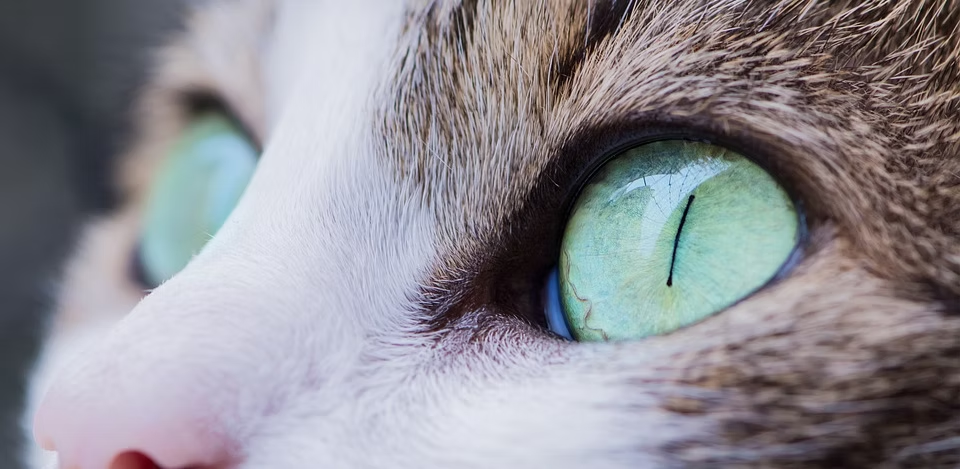
Cataracts occur when the lens of the eye becomes cloudy, leading to partial or complete loss of vision. For many pet owners, the first sign of trouble is noticing that their dog or cat’s eyes look hazy, bluish, or milky. Key symptoms include a visible change in eye color, bumping into objects or furniture, hesitancy on stairs, and sometimes increased anxiety, especially in unfamiliar environments. Additional warning signs can involve squinting, redness, or increased tearing.
Dogs are more commonly affected by cataracts than cats, but feline cataracts can also develop, especially in older or diabetic cats. If you notice your pet’s eyes are becoming cloudy or their behavior changes, an early evaluation by a board-certified veterinary ophthalmologist is essential. For more details on what cloudy eyes can mean in dogs, visit our guide on cloudy eyes, cataracts, and corneal degeneration in dogs. Cat owners can learn more about feline cataracts and hazy eyes in our information page for cats with hazy or cloudy eyes.
What Causes Cataracts in Pets?
Cataracts develop for a variety of reasons. The most common cause in dogs is genetics; certain breeds such as Poodles, Cocker Spaniels, and Boston Terriers are predisposed. In cats, cataracts are less frequently inherited but can result from chronic inflammation, trauma, or metabolic diseases like diabetes. Other contributing factors include aging, nutritional imbalances in young animals, and complications from other eye conditions.
When the lens becomes opaque, light can no longer pass through clearly, resulting in blurry or lost vision. Cataracts can progress slowly or quite rapidly, depending on the underlying cause and the animal’s overall health. Diabetes-related cataracts in dogs, for example, often advance quickly and can lead to complete blindness within weeks if not addressed. Understanding the root cause of your pet’s cataracts allows our veterinary ophthalmology team to create the most effective treatment plan.
Cataract Surgery for Pets: What to Expect
Cataract surgery for pets is an advanced procedure that requires specialized training and equipment. At Animal Eye Specialists, we use phacoemulsification, the same technique used in human cataract surgery. This minimally invasive method involves removing the cloudy lens and, in most cases, implanting an artificial intraocular lens to restore vision.
The Pre-Op Process
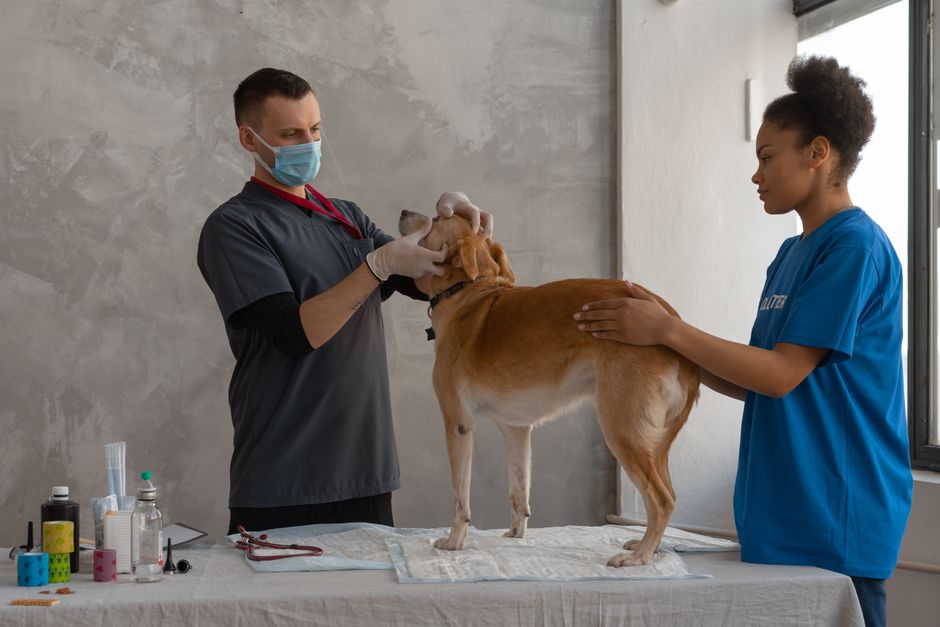
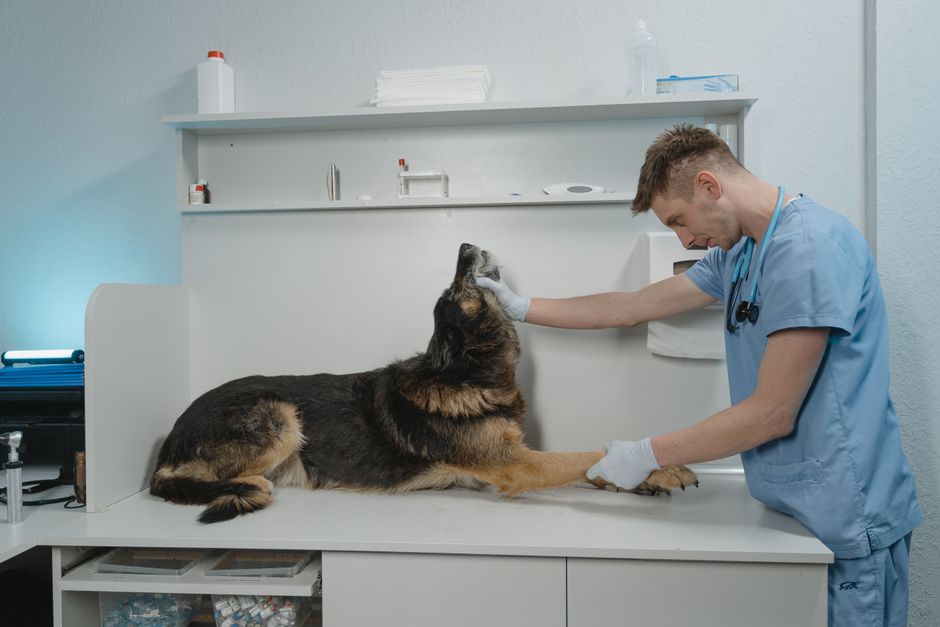
Before surgery, your pet will undergo a comprehensive ophthalmic exam with our board-certified ophthalmologist. Pre-operative testing includes an electroretinogram (ERG) to assess retinal function and ocular ultrasonography to check for retinal detachment or other complications. These diagnostics are crucial for determining whether your pet is a good candidate for surgery.
If surgery is recommended, our team will provide you with detailed instructions on how to prepare your pet. These steps typically include fasting before anesthesia, administering any prescribed eye drops, and ensuring your pet is up-to-date on general health screenings. During your pre-surgical consultation, we will discuss all aspects of the procedure, anesthesia safety, and what to expect on the day of surgery.
For an in-depth look at our cataract surgery process and advanced intraocular microscopic surgery, visit our cataract surgery service information page or read our detailed overview of cataract surgery for pets at Animal Eye Specialists.
The Surgical Procedure
On the day of surgery, your pet will be admitted in the morning and undergo a final evaluation. The procedure itself is performed under general anesthesia and typically lasts one to two hours. Using specialized microsurgical instruments, the veterinary ophthalmologist removes the cataract through a tiny incision and places an artificial lens whenever possible. This approach helps restore functional vision, allowing most pets to return to their normal activities after recovery.
Once the surgery is complete, your pet will be closely monitored as they wake from anesthesia, and our team will review post-operative care instructions with you before discharge.
Post-Operative Care: Helping Your Pet Heal
The recovery period after cataract surgery is just as important as the procedure itself. Diligent home care and follow-up appointments are essential for a successful outcome.
Immediate Post-Op Care at Home
When your pet comes home, they may be sleepy or disoriented for the first day. It is important to keep them calm, restrict vigorous activity, and prevent them from rubbing or scratching at their eyes. Most pets will need to wear an Elizabethan collar (cone) to protect the surgical site for at least two weeks.
Your veterinary ophthalmologist will prescribe a regimen of eye drops and oral medications to control inflammation, prevent infection, and support healing. These medications must be given exactly as directed. Signs that healing is progressing well include a gradual return to normal behavior, improved navigation, and a decrease in redness or swelling. If your pet shows signs of pain, excessive squinting, or discharge, contact our veterinary team right away.
For more detailed information about post-operative care and the services we provide to support your pet after eye surgery, visit our post-operative treatment services page.
Follow-Up Visits and Monitoring
Regular rechecks are critical. These follow-up appointments allow our board-certified ophthalmologist to monitor healing, adjust medications, and catch any signs of complications early. The first recheck is typically scheduled within a few days of surgery, followed by several additional visits over the next few weeks to months. Commitment to these follow-ups is the best way to ensure the highest chance of vision restoration and long-term eye health.
Home Management Tips for a Smooth Recovery
Your pet’s comfort and safety at home play a key role in the success of cataract surgery for pets. Place your pet’s bed, food, and water in an easily accessible area to minimize the need for stairs or jumping. Limit playtime and keep other pets or children from roughhousing during the initial recovery period. Dimming the lights can reduce eye strain, and speaking softly helps reassure your pet as they adjust to changes in their vision.
Be patient as your pet regains confidence. Some pets adapt quickly, while others may need more time to relearn their environment. Continue administering all medications as prescribed and attend each follow-up appointment, as this will help catch any issues before they become serious.
When to Seek Veterinary Care
While most pets recover well from cataract surgery, complications can occasionally occur. Contact your veterinary ophthalmologist right away if you notice any concerning changes, such as severe redness, swelling, significant discharge, persistent cloudiness, or if your pet appears to be in pain. Delayed intervention can increase the risk of complications like glaucoma or infection.
If you are ever unsure whether your pet’s symptoms warrant immediate attention, it is always best to err on the side of caution and contact a board-certified ophthalmologist. Early intervention is the key to a successful outcome and ongoing vision health.
Why Choose Animal Eye Specialists for Cataract Surgery for Pets in Plano?
At Animal Eye Specialists, we understand how much your pet’s vision means to their happiness and quality of life. Our veterinary ophthalmology team, led by Dr. Stephanie Beaumont, is dedicated exclusively to eye care, offering advanced surgical techniques and a Fear Free experience tailored to the needs of your dog or cat. Every pet receives a full, in-depth eye exam by our board-certified veterinary ophthalmologist, ensuring the highest standard of care from diagnosis through recovery.
Serving Plano and surrounding communities, we are proud to be a trusted referral destination for cataract surgery for pets in North Texas. Our personalized approach means you and your pet will always be treated with compassion, respect, and clear communication at every step.
Ready to Restore Your Pet’s Vision? Contact Our Ophthalmology Vet Near Me
If your dog or cat may benefit from cataract surgery for pets, or if you are seeking a veterinary ophthalmology vet near me, Animal Eye Specialists is here to help. Our team is committed to supporting you and your pet with expert care, advanced diagnostics, and ongoing guidance for a smooth recovery. To schedule a consultation or learn more about our services, call (972) 845-9948 or visit us at 1545 W Plano Pkwy, Plano, TX 75075.
For more details about the cataract surgery process, visit our overview of cataract surgery for pets. If you have questions about your pet’s eye health, don’t hesitate to reach out to our veterinary ophthalmology team for expert support and peace of mind.
Disclaimer: This article is for informational purposes only and does not replace professional veterinary advice. Always consult your veterinarian or a board-certified veterinary ophthalmologist regarding your pet’s specific condition and treatment options.