Phacoemulsification Cataract Surgery: Restoring Pet Vision Safely
Phacoemulsification Cataract Surgery: Restoring Pet Vision Safely
When your pet’s world starts to dim due to cloudy vision, it can be deeply unsettling for both you and your companion. Cloudy eyes, bumping into furniture, and reluctance to play are signs that something is affecting your pet’s eyesight. At Animal Eye Specialists, located at 1545 W Plano Pkwy, Plano, TX 75075, our board certified veterinary ophthalmologist team is dedicated to diagnosing and treating a range of ocular conditions, with a special focus on advanced cataract care. If you are searching for a specialist vet near me who can provide expert phacoemulsification cataract surgery for pets in Plano, you have found a trusted resource.
In this comprehensive guide, we will help you recognize the signs of cataracts in pets, explain why they develop, explore how phacoemulsification cataract surgery can restore vision, and outline the personalized aftercare provided by our veterinary team. You will also learn when to seek out a veterinary ophthalmologist and what makes Animal Eye Specialists the leading referral destination for pet eye care in Plano and surrounding communities.
For detailed information about cataract removal options, you can read about Cataract Removal (Phacoemulsification) With Intraocular Lens Implantation on our website.
Recognizing Cataracts in Pets: When Should You Be Concerned?
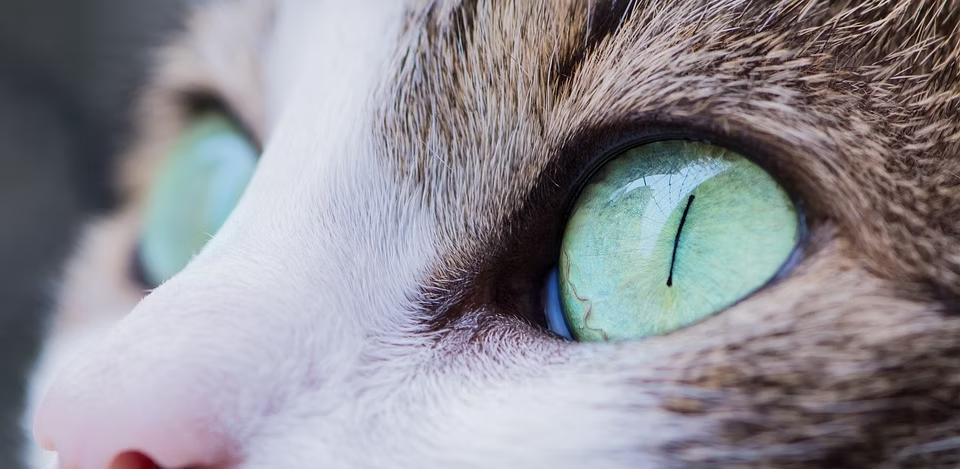
Many pet owners first notice changes in their pet’s behavior before they ever see a cloudy eye. Common symptoms of cataracts in pets include a noticeable white, gray, or bluish haze within the eye, difficulty navigating familiar spaces, hesitancy with stairs, and even occasional bumping into objects. In some cases, pets may become less playful or show signs of anxiety, especially in new environments or low-light conditions.
Other warning signs to watch for are increased eye redness, squinting, or increased tearing. Sometimes, cataracts can also trigger inflammation inside the eye, leading to pain or discomfort. If your pet has diabetes or a family history of eye problems, you may notice cataracts developing more rapidly. Because vision loss can be gradual, it is important to observe any subtle changes in your pet’s habits or personality.
If you are located in Plano and searching for cataract surgery for pets near me, rest assured that early intervention by a board certified veterinary ophthalmologist can make a significant difference in your pet’s quality of life.
Understanding Cataracts: Causes and Risk Factors in Pets
Cataracts occur when the normally clear lens inside the eye becomes cloudy, blocking light from reaching the retina and causing impaired vision. In pets, the most common causes of cataracts include inherited genetic predispositions, diabetes mellitus, advanced age, trauma, or chronic eye inflammation. In certain breeds, cataracts can develop at an early age, while in others, they may form slowly over many years.
Diabetic pets are particularly at risk, as changes in blood sugar can cause rapid lens changes. Older dogs and cats may develop cataracts as a normal part of aging, but in some cases, underlying eye diseases or trauma can accelerate the process. Understanding the root cause of your pet’s cataracts is essential for determining the most effective treatment plan and for protecting the health of both eyes.
Our veterinary ophthalmology clinic in Plano uses advanced diagnostic tools, such as slit lamp examination and direct and indirect ophthalmoscopy, to accurately assess the type and stage of cataracts, as well as to identify any complicating factors that could affect surgical outcomes.
Phacoemulsification Cataract Surgery in Plano: How Does It Restore Pet Vision?
For pets diagnosed with cataracts that significantly impair their vision, phacoemulsification cataract surgery offers a proven path to restored sight and a brighter future. This advanced microsurgical procedure, performed exclusively by a board certified veterinary ophthalmologist, involves using ultrasonic technology to gently break up and remove the cloudy lens from the eye. Once the cataract is cleared, a specialized intraocular lens (IOL) is typically implanted to restore natural focusing ability.
Phacoemulsification cataract surgery for pets in Plano is considered the gold standard for treating cataracts, offering the highest likelihood of visual recovery when performed by experienced veterinary professionals. The procedure is performed under general anesthesia using a specialized operating microscope and requires meticulous technique. The new artificial lens remains permanently in place, allowing most pets to regain excellent vision and return to their normal, happy routines.
At Animal Eye Specialists, we are proud to offer cataract surgery as a central part of our practice. Our ophthalmology team follows a Fear Free approach to minimize stress before, during, and after the procedure, and we provide comprehensive support throughout the entire surgical journey.
What to Expect During and After Surgery
On the day of surgery, your pet will be carefully monitored from admission through recovery. After the lens is removed and the IOL is implanted, your pet will be kept comfortable while awakening from anesthesia. Most pets begin to show signs of improved vision within hours to days after surgery, such as confidently exploring their environment or responding to visual cues.
Post-operative care is critical for a successful outcome. You will receive detailed instructions and medications to manage inflammation, prevent infection, and support healing. Follow-up visits are scheduled to monitor your pet’s progress and to address any concerns promptly. For additional insight into the aftercare process, you can explore our page on post-operative treatment following veterinary eye surgery.
If you are considering phacoemulsification cataract surgery for pets near me in Plano, you may be relieved to know that this procedure has a high success rate when performed by a board certified specialist, and most pets enjoy a significant improvement in their quality of life.
At-Home Care and Preventing Complications After Cataract Surgery
After surgery, your pet will need attentive home care to maximize healing and reduce risks. Steps include administering prescribed eye drops on schedule, using an Elizabethan collar to prevent rubbing or scratching at the eyes, and keeping your pet calm and quiet during the initial recovery period. It is important to limit rough play and avoid exposure to dust or irritants that could compromise healing.
Monitoring for signs of discomfort, changes in eye appearance, or vision changes is essential. Signs that may indicate a complication include redness, squinting, discharge, or sudden vision loss. If you notice any of these symptoms, contact your veterinary ophthalmology team right away. Adhering to all follow-up appointments ensures that healing is progressing as expected and allows the veterinary team to make timely adjustments to the treatment plan if needed.
While not all cataracts can be prevented, regular eye examinations—especially for at-risk breeds or aging pets—can help detect cataracts and other eye diseases early. By partnering with a board certified veterinary ophthalmologist in Plano, you can help safeguard your pet’s vision at every stage of life.
When to Seek a Veterinary Ophthalmologist for Cataract Care
If you notice any cloudiness, behavioral changes, or vision loss in your pet, seeking prompt evaluation from a veterinary ophthalmologist is crucial. Early assessment improves the chances of successful treatment and minimizes the risk of complications such as glaucoma or retinal detachment. Primary care veterinarians often refer patients to a specialist vet near me when advanced diagnostics or microsurgical intervention is needed.
You should also consider an immediate evaluation if your pet has been diagnosed with diabetes, as cataracts can develop rapidly in these cases. For pet owners in Plano and surrounding communities, Animal Eye Specialists serves as the premier referral destination for expert cataract care. Our veterinary professionals work closely with your regular veterinarian to provide seamless, advanced eye care tailored to your pet’s unique needs.
For those seeking a veterinary ophthalmologist near me or a specialist in phacoemulsification cataract surgery for pets in Plano, our clinic provides the expertise, compassion, and advanced technology required for optimal outcomes.
Compassionate Support and Advanced Eye Care for Pets in Plano
Restoring your pet’s vision through phacoemulsification cataract surgery is a life-changing experience, both for your companion and for your family. At Animal Eye Specialists, we understand the worry that comes with seeing your pet lose their sight, and we are committed to guiding you through every step of the process with empathy, communication, and personalized care.
If you are searching for a veterinary ophthalmologist vet near me or need phacoemulsification cataract surgery for pets in Plano, our dedicated team is ready to help you take the next step toward restoring your pet’s vision. We encourage pet owners to reach out with any questions or concerns, and we invite you to explore more about cataract surgery for pets provided by Animal Eye Specialists for detailed information on what to expect.
To schedule a consultation or speak with our board certified veterinary ophthalmologist, call (972) 845-9948 or visit us at 1545 W Plano Pkwy, Plano, TX 75075. We are honored to serve as the trusted vision specialist vet near me for Plano and surrounding communities, dedicated to providing the highest level of eye care for your beloved pets.
This blog is intended for educational purposes only and does not substitute for professional veterinary advice. Always consult with a board certified veterinary ophthalmologist for diagnosis and treatment of eye conditions in your pet. For more resources on pet eye health, visit our pet eye health resources page or contact our veterinary professionals directly.