Recognizing Eye Emergencies in Dogs and Cats: When to Seek Help
Recognizing Eye Emergencies in Dogs and Cats: When to Seek Help
If you have ever noticed your dog or cat suddenly squinting, pawing at their face, or developing a red, cloudy, or swollen eye, it is natural to feel worried. Eye problems in pets can be both alarming and confusing, especially since some conditions require urgent attention to prevent lasting damage or even vision loss. At Animal Eye Specialists, located at 1545 W Plano Pkwy, Plano, TX 75075, our entire veterinary ophthalmology team is dedicated exclusively to advanced eye care for pets. We understand how stressful it can be to determine whether your pet’s symptoms are an emergency or something that can wait.
This guide will help you recognize the most common signs of eye emergencies in dogs and cats, understand what can cause these issues, and know when it is time to contact a board-certified veterinary ophthalmologist. We will also explain what happens during emergency eye care at our Plano specialty clinic, and how prompt treatment can protect your pet’s comfort and long-term vision. As you read, you will find helpful references to more detailed information on specific conditions, so you can make the best decisions for your pet’s health.
Spotting the Signs: How to Recognize an Eye Emergency in Your Pet
Eye emergencies in dogs and cats can develop quickly, and early intervention often makes the difference between a full recovery and permanent eye damage. Knowing what to look for is the first step in protecting your pet’s vision.
Key warning signs that your pet may be experiencing an eye emergency include sudden or severe redness, noticeable cloudiness or haziness of the eye surface, active squinting or holding an eye shut, significant swelling around the eye or eyelids, and any obvious injury or trauma to the face. Other concerning symptoms are profuse tearing or discharge that appears green or yellow, visible blood within the eye, sudden vision changes such as bumping into objects, or a pupil that appears very large, very small, or an unusual shape. If you notice your dog or cat pawing at their eye, rubbing their face on the ground, or showing signs of pain such as whining or growling when the area is touched, these also point to an urgent problem.
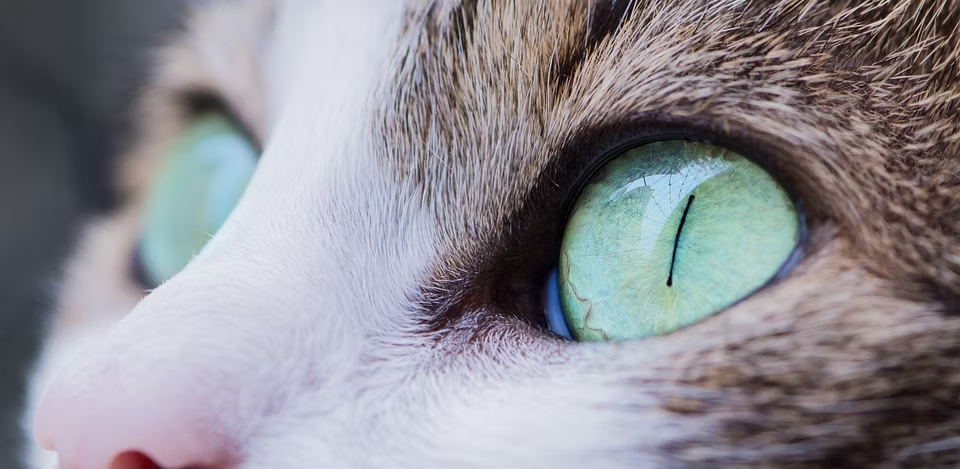
Sometimes, eye emergencies can be more subtle. For instance, if your dog’s eye suddenly looks cloudy or appears blue-tinged, this could signal cataracts or corneal disease. You can read more about the difference between cloudy eyes, cataracts, and corneal degeneration in dogs. Cats may develop a hazy appearance due to keratitis or cataracts as well, which you can learn about in our article on hazy or cloudy eyes in cats.
If you notice any of these symptoms, prompt evaluation by a veterinary ophthalmologist is crucial. Even conditions that look mild can worsen rapidly if not treated right away.
Differences Between Mild and Severe Symptoms
Not every red or watery eye is an emergency, but certain features can help you distinguish a minor irritation from a true crisis. Mild symptoms might include brief, clear tearing after exposure to wind or dust, or a bit of redness after play. These often resolve within a few hours. In contrast, symptoms that persist, worsen, or are accompanied by pain, squinting, or vision loss are much more concerning.
Why Do Eye Emergencies Happen? Common Causes in Dogs and Cats
A variety of conditions can cause sudden eye problems in pets, and understanding the underlying reason can help you respond appropriately. Trauma is a frequent culprit, whether from rough play, scratching, or accidents indoors or outdoors. Objects like grass awns, plant material, or even sand can scratch the surface of the eye, leading to painful corneal ulcers or abrasions.
Infections are another common cause, especially in cats who may develop conjunctivitis due to viral or bacterial pathogens. Dogs are prone to issues like dry eye (keratoconjunctivitis sicca), which can cause mucus buildup and make the eye more vulnerable to injury and infection. You can read more about watery eyes and mucus in dogs and the role of dry eye.
Glaucoma, which is a sudden increase in pressure inside the eye, can cause rapid vision loss and severe pain. This is a true emergency that requires immediate attention. Uveitis, or inflammation inside the eye, may accompany infections, immune-mediated diseases, or trauma, and can also lead to secondary glaucoma if left untreated. Information about dog red eyes, including conjunctivitis, uveitis, and glaucoma is available on our website.
Other causes of urgent eye problems include foreign bodies trapped under the eyelid, tumors or masses on or near the eye, and sudden lens luxation (displacement). In older pets, sudden blindness can develop due to retinal diseases or systemic conditions such as hypertension in cats.
Breed and Lifestyle Factors
Certain breeds of dogs and cats are more susceptible to eye emergencies because of their anatomy. Brachycephalic breeds like Shih Tzus, Pugs, and Persian cats have prominent eyes that are easily injured and prone to ulceration. Active dogs that run through brush or play in wooded areas are at higher risk for eye trauma. Cats allowed outdoors may be exposed to more infectious agents and hazards.
How Veterinary Ophthalmologists Treat Eye Emergencies
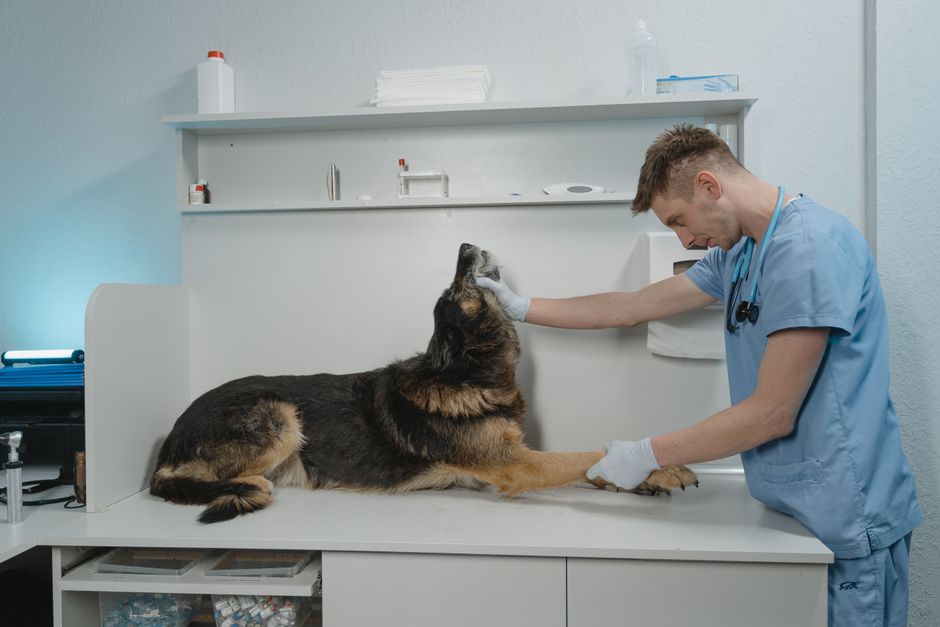
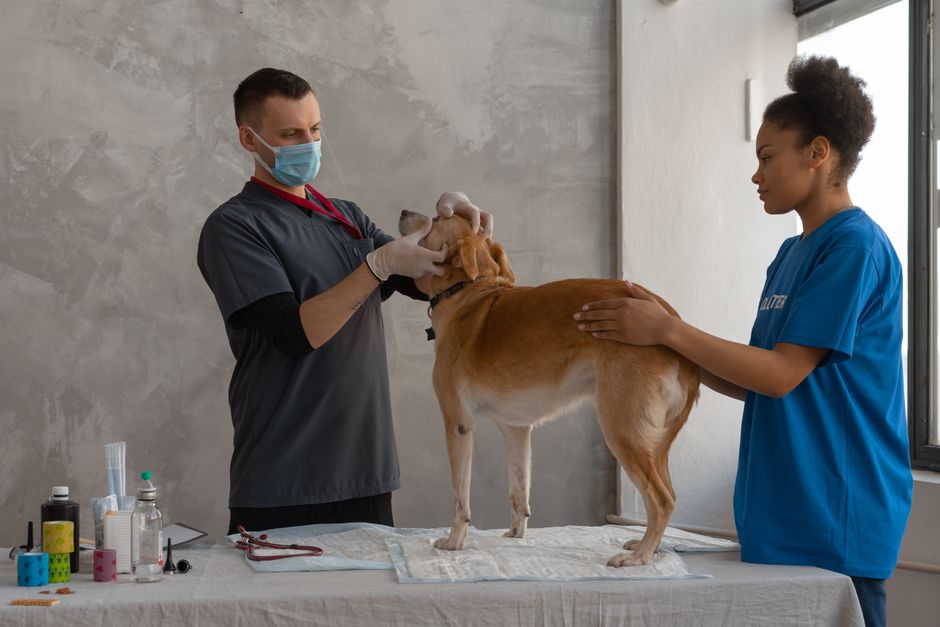
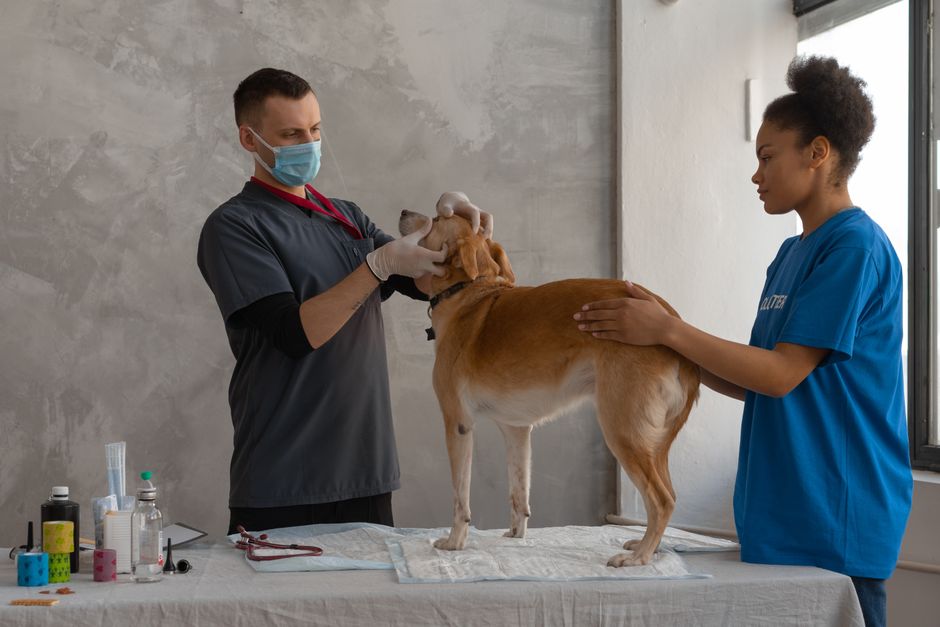
When you bring your pet to Animal Eye Specialists for an eye emergency, our board-certified veterinary ophthalmologist will begin with a thorough and gentle examination. Using advanced diagnostic equipment such as slit-lamp biomicroscopy, direct and indirect ophthalmoscopy, and specialized testing like fluorescein staining or tonometry for intraocular pressure, we rapidly identify the underlying cause of your pet’s symptoms.
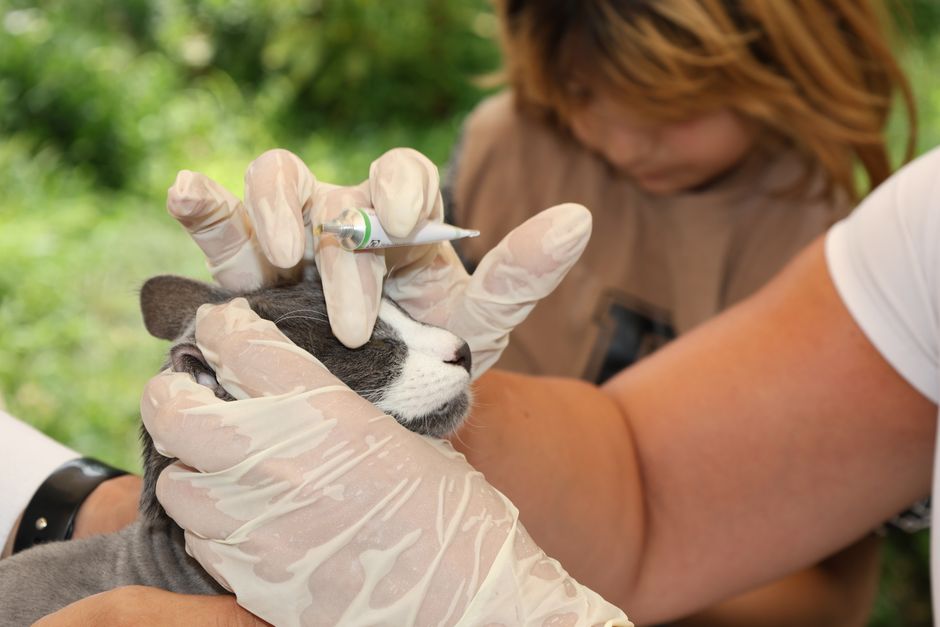
Treatment approaches depend on the diagnosis, but may involve medicated eye drops, pain relief, and in some cases, surgical intervention. For example, corneal ulcers or lacerations often require specialized corneal repair. Glaucoma may be managed with pressure-lowering medications or surgical procedures if vision can be saved. Foreign bodies are carefully removed, and infections are treated with targeted antibiotics or antivirals. For masses or tumors, surgical removal and reconstructive procedures may be needed, which our clinic is equipped to perform.
Throughout the process, we prioritize your pet’s comfort, using Fear Free handling techniques to minimize stress and anxiety. Every case is unique, so our veterinary ophthalmology team creates a tailored plan, explains every step to you, and provides comprehensive follow-up care to monitor healing.
What to Expect During Your Visit
During your emergency visit, you can expect an immediate assessment by our veterinary professionals, followed by any necessary diagnostic tests. We will discuss the treatment plan with you, answer your questions, and provide instructions for home care and follow-up. Our clinic’s approach emphasizes transparency and communication, so you feel supported at every stage.
Home Care and Prevention: Supporting Your Pet’s Eye Health
While not all eye emergencies can be prevented, there are steps you can take to reduce your pet’s risk and respond appropriately if issues arise. Regularly inspecting your dog or cat’s eyes for redness, discharge, or changes in appearance can help you catch problems early. Keeping the hair around the eyes trimmed, especially in long-haired breeds, reduces the risk of irritation or foreign bodies. For active pets, avoiding rough play in areas with sharp plants or debris can help prevent injuries.
If your pet is prone to eye problems due to breed or past medical history, your veterinarian may recommend routine eye checks or protective measures. Administering any prescribed eye medications exactly as directed, and never using human eye products unless specifically instructed by your veterinary ophthalmologist, is essential for safety.
In the event of an eye injury or sudden symptom, avoid touching or attempting to treat the eye yourself, as this may worsen the problem. Keep your pet from rubbing their face, and seek veterinary attention as soon as possible. Do not delay care, as many conditions can progress quickly.
When to Seek Veterinary Ophthalmology Care
Knowing when to seek professional help can make all the difference for your pet’s vision. Immediate evaluation is needed if you notice any of the following: severe or persistent squinting, sudden cloudiness or color change in the eye, visible blood, obvious trauma, sudden vision loss, a protruding or bulging eye, or a rapidly enlarging mass. Any signs of significant pain, such as vocalizing or reluctance to be touched near the face, also warrant urgent care.
Even if your pet’s symptoms seem minor, it is always better to err on the side of caution. Early treatment can prevent complications and restore comfort more quickly. Your family veterinarian may refer you to a veterinary ophthalmologist, or you can contact Animal Eye Specialists directly for an appointment. If you are unsure whether your pet’s situation is an emergency, our team is happy to provide guidance based on your description of the symptoms.
For more detailed information about specific conditions that require urgent attention, you may find these resources helpful: dog squinting or blinking due to corneal ulcers or trauma, cat red or pink eyes and when to seek help, or treatment for complicated ophthalmic conditions and eye emergencies in pets.
Protecting Your Pet’s Vision: The Value of Prompt, Specialized Eye Care
Eye emergencies in dogs and cats are stressful for both pets and owners, but with the right knowledge and quick action, many vision-threatening conditions can be treated successfully. Trusting your pet’s eye care to a board-certified veterinary ophthalmologist ensures access to the most advanced diagnostics, treatments, and surgical options available in the Dallas-Fort Worth area.
If you are searching for a specialty ophthalmology vet near me, the team at Animal Eye Specialists is here to help. We serve Plano and surrounding communities from our convenient location at 1545 W Plano Pkwy, Plano, TX 75075, providing compassionate, personalized eye care for dogs and cats. Whether your pet is experiencing sudden symptoms or has been referred for advanced treatment, you can count on our veterinary ophthalmology professionals to guide you through every step.
If you notice any of the warning signs discussed here, do not wait. Schedule a consultation with our team of board-certified veterinary ophthalmologists by calling (972) 845-9948. Early intervention is the key to protecting your pet’s comfort and vision for years to come.
For more information about our services or to learn about chronic ophthalmic diseases in pets, visit our website at peteyevet.com. Your pet’s eyes are precious—let us help you keep them healthy and bright.